Our site is in soft launch as we enhance features and update content.
View Photos

Mt. Lhotse Expedition 8,516 m in 64 Days

15 Reviews in TripAdvisor
36 Reviews in Google

Lhotse is the fourth-highest mountain in the world and shares much of its route with Mount Everest, yet it remains far less crowded. This makes Lhotse an excellent choice for climbers seeking a more focused and less congested high-altitude experience. The mountain was first successfully climbed in 1956 by Fritz Luchsinger and Ernst Reiss as part of a Swiss expedition. The expedition involves steep and technical climbing, especially on the Lhotse Face, requiring strong mountaineering skills and close teamwork with experienced guides and Sherpas. Lhotse is located in Nepal’s Solukhumbu region (Latitude: 27.9617° N, Longitude: 86.9330° E) and you can join HEN's full-board services with optional support for its expedition. Choosing Lhotse means taking on a serious 8000-meter challenge while experiencing the same iconic Himalayan environment with a more technical and demanding ascent.

Grade: TD (Très Difficile / Very Difficult) to ED (Extrêmement Difficile)

Trip Overview
Duration64 Days
Trip GradeStrenuous
CountryNepal
Maximum Altitude8,516 m
Group Size1 - 20
StartsKathmandu
EndsKathmandu
ActivitiesMountaineering
Best TimeMarch - May, September - November

EXPEDITION REQUIREMENTS

  • Previous High-Altitude Experience (mandatory): Climbers must have successfully summited at least one 7,000 m peak as per the current regulations of the Department of Tourism, Nepal.
  • Valid Climbing Permit: Issued by the Department of Tourism, Nepal, specifically for Mount Lhotse.
  • Registered Expedition Agency: The climb must be organized through a government-registered trekking and climbing agency like Himalayan Ecstasy Nepal (HEN).
  • Experienced Guide Requirement: A licensed climbing Sherpa or Guide must be assigned to the expedition throughout.
  • Travel and Rescue Insurance: Comprehensive insurance covering high-altitude evacuation and helicopter rescue is mandatory.
  • Medical Fitness: A recent medical certificate confirming you are physically fit for extreme high-altitude climbing above 8,000 m.
  • Logistics and Documentation: Valid passport, Nepal entry visa, and all required expedition paperwork submitted prior to departure.

EXPEDITION HIGHLIGHTS

  • Summit Mount Lhotse (8,516 m), the fourth-highest mountain in the world, one of only 14 peaks above 8,000 m on Earth.
  • Follow the iconic Khumbu route through the Everest region, trekking through legendary Sherpa villages like Namche Bazaar, Tengboche, and Dingboche.
  • Tackle the famous Lhotse Face, a sweeping 55-degree wall of blue glacial ice that is one of the most iconic climbing features in the entire Himalaya.
  • Navigate the Khumbu Icefall with ladder crossings, fixed ropes, and the raw energy of one of the world's most technically demanding glacier approaches.
  • Sleep at Camp 4 on the South Col (7,906 m), the same high camp shared with Everest, with views that stretch across the entire Himalayan skyline.
  • Experience the full Death Zone above 8,000 m, pushing through the narrow Lhotse Couloir on the final summit push under starlit skies.
  • Optional: Attempt Mount Everest (8,848.86 m) in the same expedition, one of the most ambitious double-summit projects in high-altitude mountaineering.
  • Participate in the traditional Puja Ceremony at base camp, a sacred Buddhist blessing ritual that connects you to the deep spiritual culture of the Himalayan climbing community.
  • Enjoy panoramic summit views of Makalu, Cho Oyu, Kangchenjunga, Dhaulagiri, and the Tibetan plateau stretching endlessly to the north.
  • Full-board expedition with experienced HEN Sherpa guides, professional logistics, and a base camp setup built for comfort and performance.
  • Responsible expedition with full base camp cleanup and Leave No Trace principles throughout.

EXPEDITION CHALLENGES

  • The Khumbu Icefall (Base Camp to Camp 1) is the first major challenge of the Lhotse expedition, and one that never truly becomes routine. The icefall is a constantly shifting maze of seracs, deep crevasses, and unstable ice towers. Aluminum ladder crossings over crevasses require steady nerves and precise movement. Rated PD+ to AD-, this section demands fixed-rope discipline and efficient movement through exposed zones where lingering is genuinely dangerous.
  • The Lhotse Face (Camp 2 to Camp 3) is the defining challenge of this expedition. A near-continuous wall of blue glacial ice rising at 45 to 55 degrees over approximately 1,200 vertical meters, the Lhotse Face is one of the steepest sustained ice climbs on any 8,000 m route. Above Camp 2 at 6,400 m, you are already working in thin air. The combination of extreme angle, hard ice, and the effect of altitude building up on your body makes this section brutally demanding. Rated AD, this is where the mountain earns your full respect.
  • Altitude and Endurance Above 7,000 m From Camp 3 onward, you are in the extreme high-altitude environment. At 7,100 m and above, your body is working harder than it ever has before. Thin air, powerful winds, sustained cold, and the mental weight of operating this high all combine to make everything harder than it looks on paper. The Lhotse Couloir on summit day, steep, icy, and relentlessly exposed, demands everything you have at the exact moment your reserves are lowest.
  • The Death Zone: Camp 4 and the Summit Push Above 8,000 m, in what mountaineers call the Death Zone, your body is slowly losing the battle against altitude no matter how well you are acclimatized. Supplemental oxygen is essential here, not a luxury. The summit push from Camp 4 begins in the dark, in extreme cold, and requires sustained technical climbing through the upper couloir to a corniced, exposed summit point. Any mistake in judgment or equipment failure at this stage carries serious consequences.
  • Avalanche Risk Lhotse carries significant avalanche exposure, particularly on the upper face and in the couloir sections. Our HEN route-fixing Sherpa team is trained and experienced in setting the route away from primary avalanche paths, and weather monitoring is continuous throughout the expedition. That said, no Himalayan peak at this altitude is free from danger, and climbers must remain aware and responsive at all times.
  • Objective Hazards Serac fall, crevasse collapse on the glacier approach, sudden weather shifts, and the ever-present risk of frostbite and altitude illness are all real factors on Lhotse. Our expedition protocols, medical kits, and evacuation procedures are designed to respond to these. But preparation, physical fitness, and honest communication with your guide remain your most important tools.

THE ASCENT PLAN

  • Base Camp to Camp 1 (5,364 m to 5,943 m): Navigating the Khumbu Icefall. The climb begins at the crampon point just above base camp, where mountaineering gear goes on, and the Khumbu Icefall begins. The route navigates through a dynamic maze of seracs and crevasses using fixed ropes installed by the HEN Sherpa team. Ladder crossings over open crevasses are a regular feature of this section, requiring balance and full trust in your safety tethers. The route changes constantly as ice shifts, and your Sherpas reroute when necessary. Camp 1 sits on a flat glacial section above the icefall, offering a first commanding view back down the valley and forward into the Western Cwm.
  • Camp 1 to Camp 2 (5,943 m to 6,400 m): Crossing the Western Cwm. Above the icefall, the Western Cwm opens into a wide glacial valley enclosed by Everest, Lhotse, and Nuptse. The route crosses the upper Khumbu Glacier via fixed ropes, navigating crevasse zones with comparatively lower technical difficulty than the icefall below. The main challenges here are heat exposure during midday hours and sustained distance at altitude. Camp 2 at 6,400 m serves as the Advanced Base Camp for the expedition, the most established and comfortable of the high camps, and a familiar landmark across your rotation cycles.
  • Camp 2 to Camp 3 (6,400 m to 7,100 m): Climbing the Lhotse Face. This is the signature section of the Lhotse expedition. Fixed ropes run directly up the Lhotse Face, 45 to 55 degrees of hard blue glacial ice, from the base of the wall all the way to Camp 3. Movement requires continuous jumaring, efficient front-pointing with crampons, and strong endurance. The Yellow Band, a horizontal stripe of yellow limestone crossing the face, marks the change from glacial ice to mixed rock-and-snow terrain before Camp 3. Camp 3 is carved directly into the slope at 7,100 m, with small platforms cut into the ice by the route-fixing team, and is used primarily for strategic overnight stays during rotations and the summit push.
  • Camp 3 to Camp 4, South Col (7,100 m to 7,906 m): The Geneva Spur and Beyond From Camp 3, the route continues up the upper Lhotse Face before crossing left across the Geneva Spur, a rocky mixed ridge that requires careful crampon placements on rock-embedded ice in highly exposed conditions. Crossing the Geneva Spur brings you onto the South Col, a wind-swept saddle at 7,906 m that sits between Lhotse and Everest. Camp 4, here is your final high camp. Supplemental oxygen is essential from this point forward. You arrive in the afternoon, rest briefly, and prepare for the summit push that night.
  • The Summit Push: Camp 4 to Lhotse Summit (7,906 m to 8,516 m). Departure from Camp 4 happens in the early hours of the morning, typically between midnight and 2:00 AM. The route enters the Lhotse Couloir immediately, a steep, narrow gully of hard ice and compact snow that funnels directly toward the summit. Fixed ropes are your primary security throughout. The climbing is sustained and demanding, with oxygen flow management becoming a critical part of your rhythm alongside every physical step. The upper couloir narrows toward the summit pyramid, where a final section of steep snow and exposed rock leads to the corniced summit point. The descent is the most dangerous phase of the entire day. Exhausted legs on steep icy terrain require careful rappelling and constant communication with your guide all the way back to Camp 4, and ideally to Camp 3 or Camp 2 before the day ends.

IMPORTANT: Essential High-Altitude Gear & Safety Notice

For a successful Lhotse Expedition, having the right high-altitude equipment is not optional. These are critical for both safety and performance in extreme conditions.

  • Supplemental Oxygen: It is strongly recommended to plan for an extra oxygen bottle in advance. This acts as a safety backup during summit push or emergencies.
  • Mask and Regulator: Among the most important pieces of equipment. They must be in proper working condition. Any malfunction at high altitude can directly impact your ability to breathe and continue safely.
  • Down Suit: A high-quality down suit is essential to withstand extreme cold conditions during higher camps and summit attempts.
  • High-Altitude Mountaineering Boots: Reliable brands such as Scarpa or La Sportiva are recommended for proper insulation and support.
  • Sleeping Bag (-50°C): A high-performance sleeping bag is necessary to ensure proper rest and protection against extreme temperatures.
  • Gloves: Insulated, high-quality gloves are required to prevent frostbite and maintain dexterity.
  • Helmet: A good-quality helmet is essential for protection in rocky and exposed sections.

Proper planning and ensuring the quality of these essential items play a vital role in the overall success and safety of the expedition.

If you have already stood on a 7,000 m peak and the Himalaya has gotten into your blood, if Everest feels like the obvious next step but you want the mountain that serious high-altitude climbers quietly respect as the more technical, more pure, more demanding objective, then Lhotse is your mountain.

At 8,516 m, the fourth-highest peak on Earth sits right next to Everest, separated only by the South Col saddle. But Lhotse is its own expedition entirely. The Lhotse Face, nearly 1,200 vertical meters of sustained blue ice at 45 to 55 degrees, is one of the most iconic and demanding ice climbs on any 8,000 m route in the world.

The summit push through the narrow Lhotse Couloir, in the dark, in the Death Zone, is as serious as high-altitude mountaineering gets. This is not a mountain that accommodates half-preparation. But for those who arrive ready, it delivers one of the most extraordinary summit experiences in the Himalaya.

At Himalayan Ecstasy Nepal, we have organized high-altitude expeditions in Nepal for years, and the Lhotse Expedition is one we approach with the same care and precision we bring to every 8,000 m objective.

Our licensed Sherpa guides are not just experienced mountaineers. They know this route, they monitor it daily, and they make the calls that keep you safe when altitude and weather demand it.

From the moment you land in Kathmandu to the moment you stand on the South Col, our HEN team handles the logistics, the permits, the route fixing, the base camp infrastructure, and the weather monitoring so that you can focus entirely on the climb. We take the weight off your shoulders. You carry it to the summit.

The Lhotse Expedition with HEN is a 64-day full-board journey that begins in Kathmandu and moves through the legendary Khumbu Valley, past Namche Bazaar, Tengboche, and Dingboche, before reaching Lhotse Base Camp at 5,364 m.

From there, the real expedition unfolds: the Puja Ceremony, the rotation cycles between high camps, the progressive climb through the Khumbu Icefall, the Western Cwm, the Lhotse Face, and the South Col, building toward the summit push that puts you on the fourth roof of the world.

For those who want to push further, an optional Everest attempt is also possible within the same expedition window, one of the most ambitious double-summit projects available in Himalayan mountaineering today.

The sections below cover everything you need to know before committing: expedition packages, the approach trek, base camp life, technical climbing details, permits, fitness requirements, and the practical information that makes the difference between going in prepared and going in hoping. Let's get into it!

Flexible Expedition Packages for Mt. Lhotse Expedition

Every climberwho arrives at Lhotse Base Camp got there a different way, with a different experience, a different budget, and a different idea of how much support they need on the mountain. That is exactly why we have built the Lhotse Expedition into three distinct options at Himalayan Ecstasy Nepal.

And here is something worth knowing upfront: you do not need a full group to book. Individual climbers are completely welcome. If you are coming solo, we handle all the official coordination, your permits, documentation, and expedition registration by working with other registered expedition groups operating on the mountain in the same season. You climb your own journey. We handle the paperwork. 

Option A: Full Board Expedition

The complete, fully managed Lhotse experience from Kathmandu to the summit and back.

Every detail is handled by our team: airport pickup and drop-off, hotel stays in Kathmandu, the official Ministry of Tourism briefing, all trekking and expedition permits, licensed Sherpa guides with comprehensive insurance, porter support, liaison officer facilitation, and the full base camp infrastructure including dining tent, kitchen tent, sleeping tents, communication equipment, solar panels, and generator.

Our high-altitude cooks prepare meals throughout. Route fixing, camp establishment at all high camps, weather monitoring, oxygen supply, and full summit support are all included.  You focus entirely on climbing. We take care of everything else!

Option B: Company Service (Budget Expedition)

A more streamlined arrangement built for experienced climbers who are comfortable managing certain aspects of the expedition independently. 

HEN covers all the essential requirements: your Lhotse climbing permit, Sherpa assignment and insurance, porter support, trekking permits, liaison officer facilitation, and transportation from Kathmandu to base camp and back.

Beyond that, climbers take on greater personal responsibility for their own gear, food beyond what is specified, and individual logistics decisions on the mountain. It is a cost-effective option that keeps the critical framework in place without the full-service overhead. 

Option C: Permit and Join Service

The most flexible and budget-friendly option available. HEN arranges your climbing permit and all required official documentation, then coordinates your placement within an existing expedition group heading to Lhotse in the same season.

Base camp to summit support and base camp services are included within that group framework. This option is ideal for self-sufficient climbers who already have their own team and personal gear sorted but need the official structure and mountain logistics handled professionally.

If you know what you are doing on the mountain and just need the framework around it, this is your option.

Standing on the Fourth Roof of the World

There are 14 mountains above 8,000 m on this planet. Standing on top of any one of them is a defining achievement. Standing on the fourth-highest mountain, a mountain that demands a full mastery of everything high-altitude climbing involves, is something that stays with you for the rest of your life.

From the Lhotse summit at 8,516 m, the view is unlike anywhere else. Everest rises to your west, its Southeast Ridge sweeping upward above the South Col you departed from hours earlier. To the east, Makalu's pyramid cuts the sky. Further in every direction, the full sweep of the Himalayan range stretches beyond what your eyes can fully process.

And below all of it, the Khumbu Valley where your journey began seems impossibly far and impossibly small. The climb that gets you there, the Lhotse Face, the Geneva Spur, the Couloir, earns that view in a way that nothing easy ever could.

The Khumbu Trail: Where Your Expedition Begins

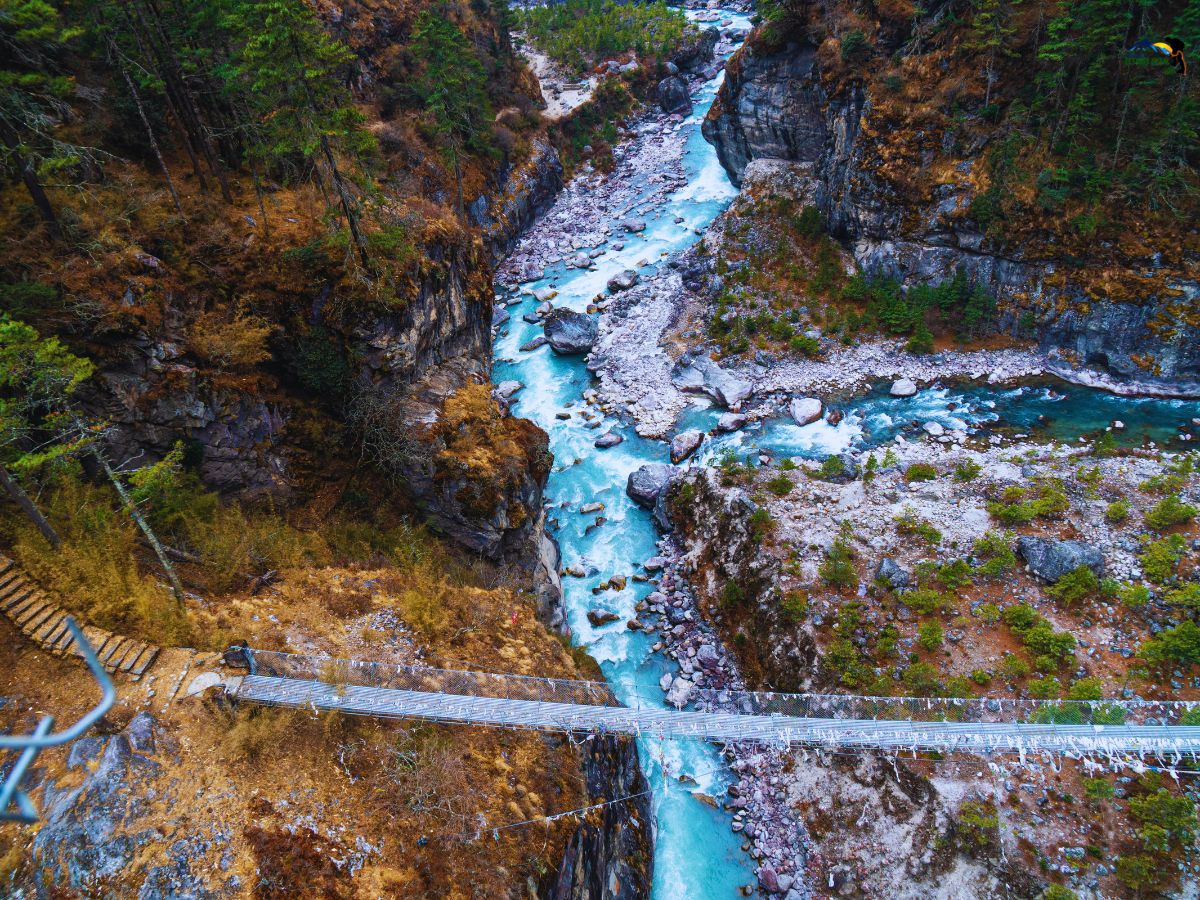
hillary suspension bridge

Long before the technical climbing starts, the approach through the Khumbu Valley is an experience in its own right. The trail from Lukla passes through some of the most culturally rich and scenically dramatic terrain in Nepal. 

Namche Bazaar, the bustling hub of the Khumbu Sherpa community, is where you begin to feel the altitude and the mountain culture at the same time. Tengboche Monastery, perched above the treeline with a direct view of Everest and Lhotse, is one of those places that stops conversation.

Dingboche, higher and quieter, is where the alpine landscape takes full hold, and the mountains begin to feel very close. This approach trek is not just acclimatization. It is your introduction to the world you are about to climb into, the people, the culture, the scale of it all. Take your time with it.

Sherpa Culture and The Spirit of the Khumbu 

The Khumbu region is the homeland of the Sherpa people, and no expedition here is complete without genuinely engaging with the culture that makes this place what it is.

From the mani walls and prayer flags that line the trails out of Lukla, to the monasteries at Tengboche and the stone-walled teahouses of Dingboche, to the Puja Ceremony at base camp itself, Tibetan Buddhist culture is woven into every part of this journey. 

Your climbing Sherpa is not just a guide. They carry centuries of mountain knowledge and a relationship with these peaks that goes far beyond technical skill.

The warmth you will encounter in teahouses, in base camp conversations, and in the quiet moments between climbing rotations is something that climbers consistently say they did not expect, and consistently remember as one of the most meaningful parts of the expedition.

A Once In a Lifetime Double Summit: Lhotse and Everest

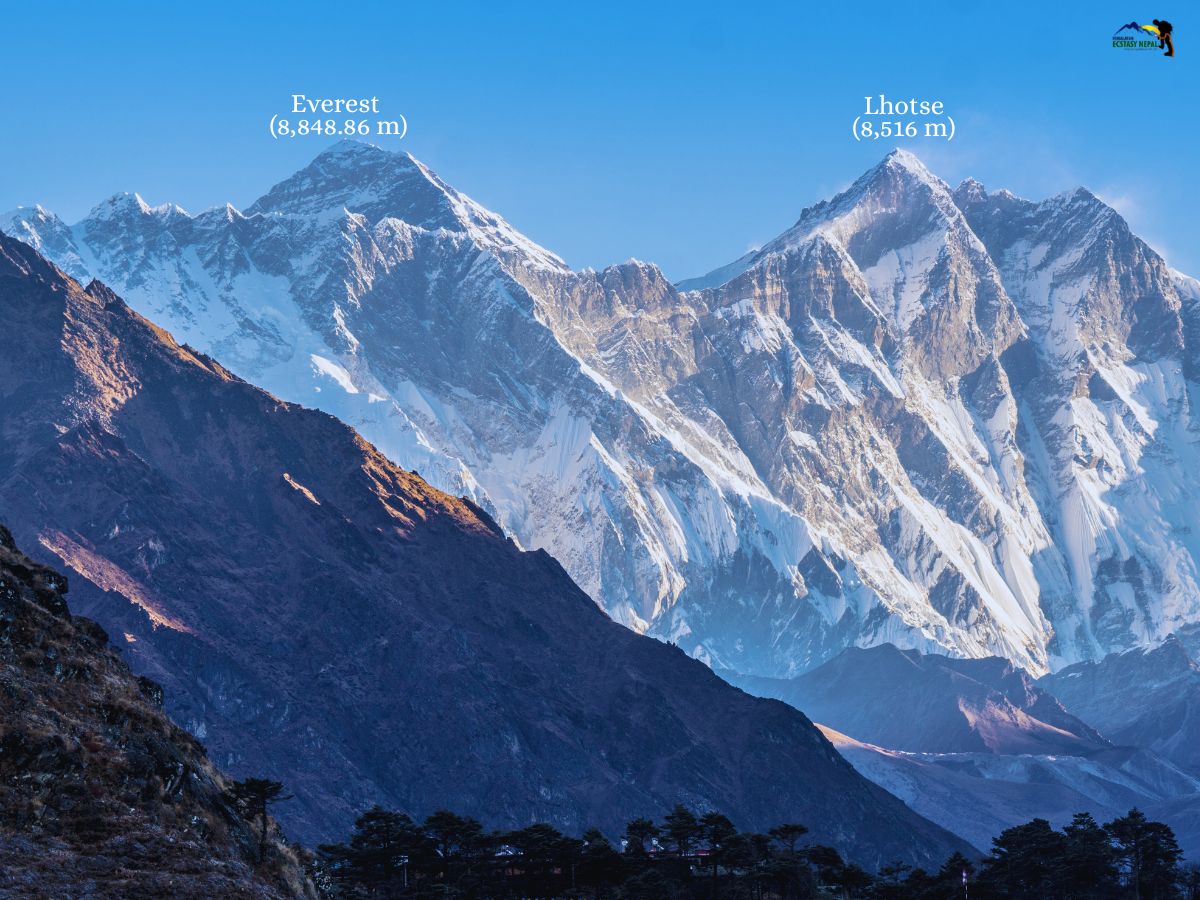
everest and lhotse

Lhotse and Everest share the same base camp, the same route through the Khumbu Icefall, the same Western Cwm, the same Lhotse Face, and the same Camp 4 on the South Col. The shared infrastructure is not a coincidence. It is a rare geographic opportunity that a small number of climbers choose to use. 

If you are already fully acclimatized, already at Camp 4, and already operating above 8,000 m after a successful Lhotse summit, the highest mountain on Earth is within reach. Only about 5 to 10% of Lhotse climbers attempt both peaks in the same expedition. The ones who succeed carry that double summit as one of the rarest achievements inmountaineering.

This is not something we recommend without deep preparation and an honest conversation with yourself and your Sherpa guide about whether your body is genuinely ready for a second summit. But if you arrive ready, and conditions allow, we will support the attempt with everything we have.

Base Camp Life: Your Home at 5,364 meters!

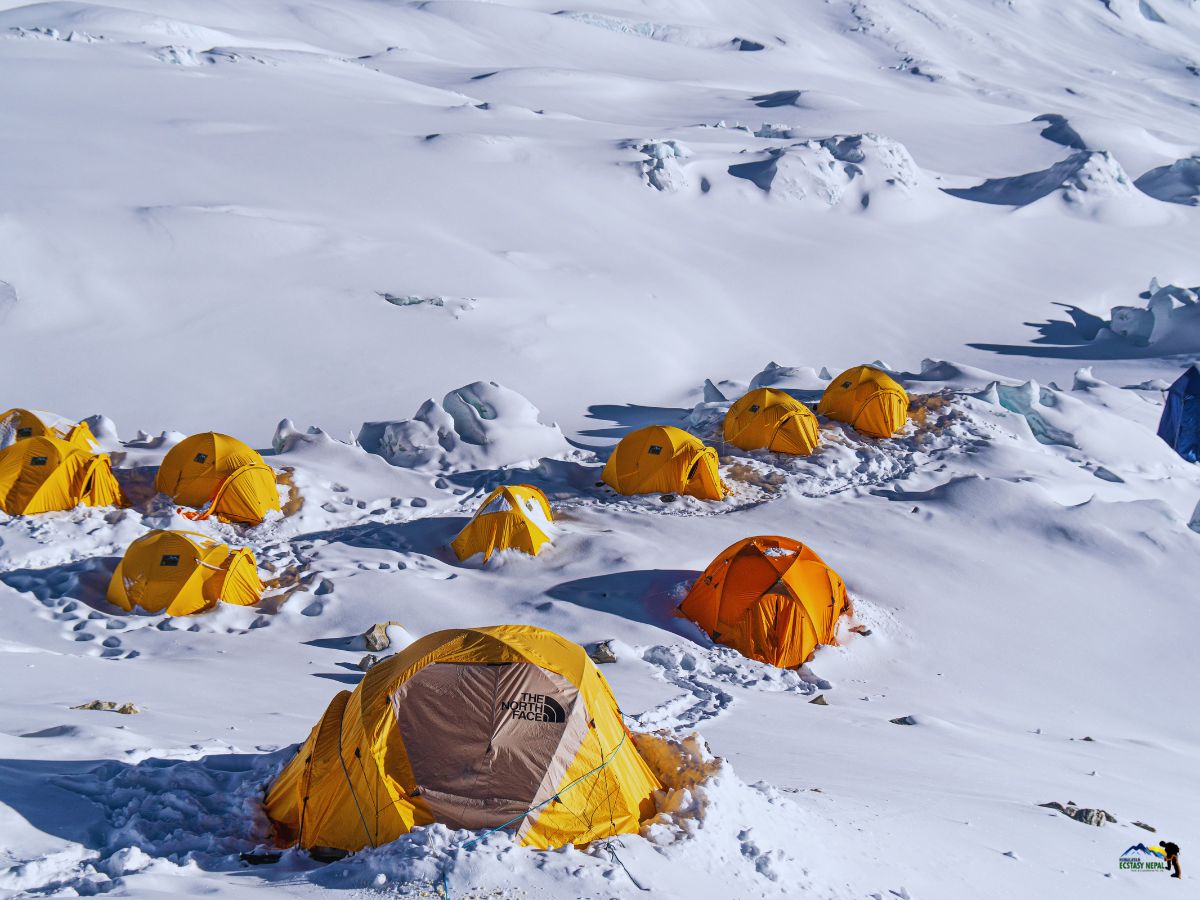
camps in lhotse expedition

Life at Lhotse Base Camp is its own chapter of this expedition, and a more comfortable one than most people expect.

Our HEN team sets up a full expedition camp: individual sleeping tents per climber, a spacious dining tent with a gas heater, a fully equipped kitchen tent with professional cooks, communication equipment, solar panels for device charging, and a toilet and shower tent.

The food is high-calorie and properly prepared, because at altitude, nutrition is not just comfort, it is performance. Base camp days revolve around rest, gear organization, short acclimatization walks, and team briefings with your Sherpa guide.

The environment surrounding you, glaciers, ice towers, the enormous south wall of Lhotse above, and clear Himalayan skies at night, make the quieter moments as remarkable as anything on the climb itself.

Introducing HEN Guides: More Than Your Climbing Partner!

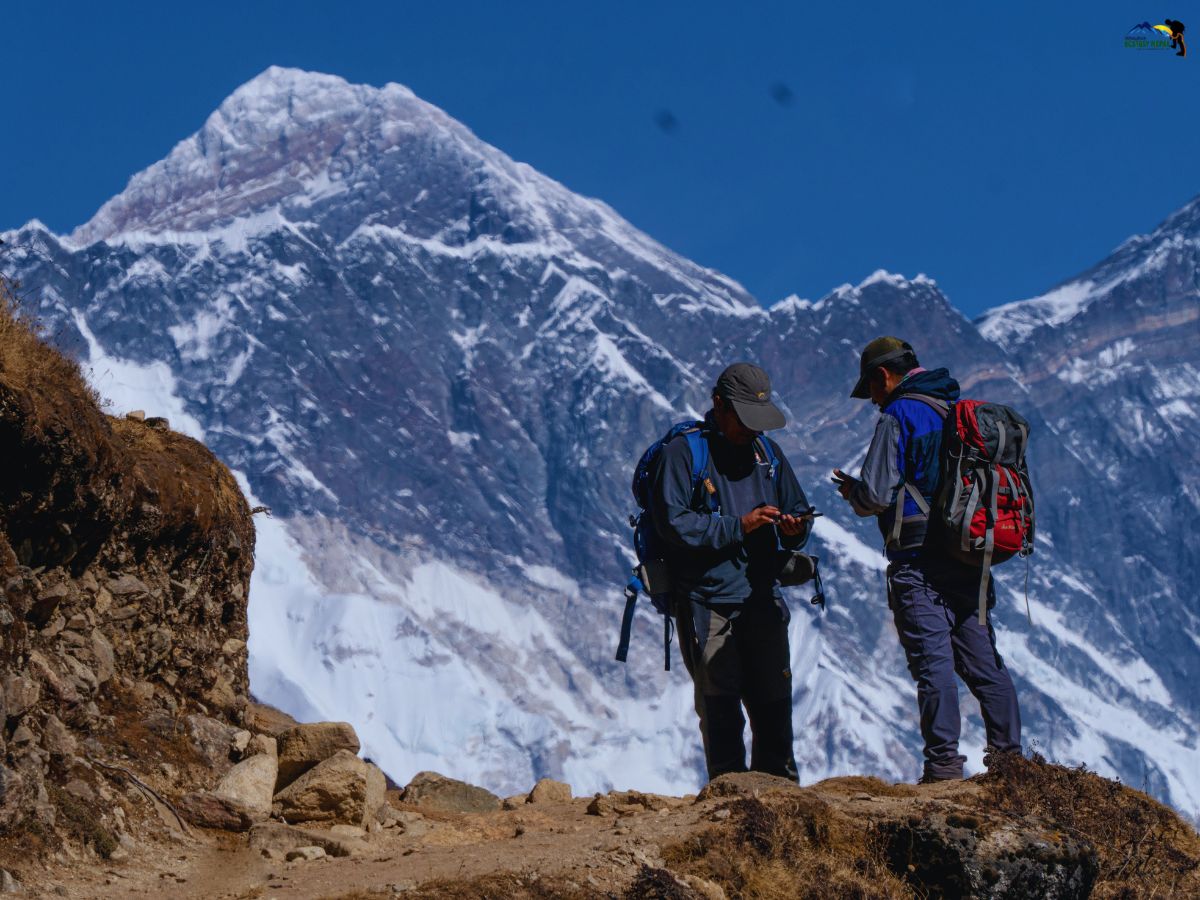
everest view during lhotse expedition

The HEN guides and Sherpas who accompany you on the Lhotse Expedition are experienced, licensed, and deeply committed to your success and safety on the mountain.

Every day at altitude, your guide is reading the weather, monitoring your physical condition, making route decisions, managing oxygen logistics, and carrying the quiet weight of responsibility that comes with leading someone through the Death Zone.

They know Lhotse. They know the route. And on the hard days, and there will be hard days, they are the steadiest thing on the mountain. Think of them the way you would a trusted partner who has done this before and is wholly invested in getting you to the top and back safely. 

A summit bonus at the end is the standard way to acknowledge that commitment, with $1,800 to $2,000 per climber being the expected amount. Tips for base camp staff are also appreciated!

But what truly matters to the HEN team, beyond anything else, is your story and your review. That is what helps other climbers find us, and what makes future expeditions possible.

Mt. Lhotse Expedition 8,516 m in 64 Days Itinerary

Kathmandu to KathmanduExpand all
Max Altitude: 1,400 m Meals: DinnerAccommodation: 3-Star HotelTransportation: On a private basis
Max Altitude: 1,400m Meals: B,DAccommodation: 3-Star Hotel
Max Altitude: 2,652 m Meals: B,L,DAccommodation: Local LodgeTransportation: Jeep+Flight
Max Altitude: 3,440 m Meals: B,L,DAccommodation: Local Lodge
Max Altitude: 3,800 Meals: B,L,DAccommodation: Local Lodge
Max Altitude: 3,716 m Meals: B,LDAccommodation: Local Lodge
Max Altitude: 4,414 m Meals: B,L,DAccommodation: Local Lodge
Max Altitude: 4,414 m Meals: B,L,DAccommodation: Local lodge
Max Altitude: 4,940 m Meals: B,L,DAccommodation: Local lodge
Max Altitude: 5,164 m Meals: B,L,DAccommodation: Local lodge
Max Altitude: 5,364 m Meals: B,L,DAccommodation: Tent
Max Altitude: 8,516 m Meals: B,L,DAccommodation: Tent
Max Altitude: 5,164 m Meals: B,LDAccommodation: Local Lodge
Max Altitude: 4,410 m Meals: B,L,DAccommodation: Local Lodge
Max Altitude: 3,860 m Meals: B,LDAccommodation: Local Lodge
Max Altitude: 3,440 m Meals: B,LDAccommodation: Local Lodge
Max Altitude: 2,860 m Meals: B,LDAccommodation: Local Lodge
Max Altitude: 1,400 m Meals: B,LDAccommodation: 3-star hotelTransportation: Flight + Jeep
Meals: B, L, DAccommodation: 3-star hotel
Meals: Breakfast

Trip Cost Details

Includes

[Full-Board Services] 

Arrival & Kathmandu Services

  • Airport pick-up and drop-off in a private vehicle
  • 4 nights hotel stay (3-star or 4-star) with breakfast
  • Welcome and farewell dinner at a traditional Nepali restaurant
  • Trekking and climbing map (included)

Permits & Government Fees

  • Lhotse and Everest expedition permits and royalty fees 
  • Sagarmatha National Park permit
  • Khumbu Pasang Lhamu Rural Municipality fee
  • Garbage deposit and waste management fees
  • Government Liaison Officer with full support

Trekking & Base Camp Logistics

  • Kathmandu to Lukla flight and return
  • Teahouse/lodge accommodation during trek (twin-sharing)
  • 3 meals per day (breakfast, lunch, dinner) with tea/coffee
  • Fresh and hygienic food throughout the journey
  • Personal baggage allowance (40–50 kg, carried by porters/yaks)

At Base Camp, you will have:

  • Personal sleeping tent with mattress and pillow
  • Dining tent, kitchen tent, toilet and shower tent
  • Staff tents, storage tents, tables, and chairs
  • Gas heater in dining tent
  • Solar panels or generator for lights and charging

Expedition Staff and Insurance

  • 1:1 Climbing Sherpa per member for the entire climb and rotations.
  • Climbing Sherpa assistance for carrying gear to high camps.
  • Experienced Base Camp cook and kitchen helpers as required.
  • All wages, insurance, equipment, and food for Nepalese staff and Sherpas.
  • High Camp Setup & Climbing Logistics
  • High altitude shared dome tents (2 members per tent).
  • High altitude food at Camps I, II, III, IV.
  • Gas stove, cooking equipment, and necessary kitchen facilities at high camps.
  • Route fixing team for ropes and climbing lines (included; no extra charge).
  • Summit oxygen: 3 bottles per climber with mask & regulator, plus 1 bottle per high-altitude Sherpa.
  • Emergency oxygen mask & regulator for medical use at Base Camp.
  • Comprehensive insurance coverage for all Nepali staff (climbing Sherpas, assistant guides, and kitchen crew)
  • High-altitude insurance for staff, including emergency helicopter evacuation coverage (up to USD 10,000 liability)

High Camp & Climbing Support

  • Shared high-altitude tents (2 climbers per tent)
  • Food at Camps 1, 2, 3, and 4
  • Cooking equipment and gas at high camps
  • Fixed ropes and route setup by expert team (included)

Oxygen & Climbing Gear Support

  • 5 oxygen bottles per climber with mask and regulator
  • 3 oxygen bottles for each Sherpa
  • Emergency oxygen system at Base Camp

Communication & Safety

  • Walkie-talkie communication between camps
  • Satellite phone for emergencies (personal use available)
  • Daily weather updates from professionals
  • Full medical kit at Base Camp

Extra Services

  • HEN expedition T-shirt and duffle bag
  • Official summit certificate from Nepal government after success

Excludes

  • International airfare to/from Kathmandu.
  • Nepal entry visa fee ($125 USD for 90 days).
  • Meals not specified in the itinerary (e.g., lunch/dinner in Kathmandu beyond welcome/farewell).
  • Extra nights in Kathmandu (early arrival, late departure, or early trek return).
  • Personal insurance (medical, high-altitude evacuation, helicopter rescue, trip cancellation). Mandatory for climbers.
  • Personal expenses: phone calls, internet, toiletries, hot showers, laundry, soft drinks, alcohol, snacks, etc.
  • Personal climbing/trekking gear: clothing, packing items, bags, trekking poles, boots, gaiters, sunglasses, personal medical kit, etc.
  • Filming/camera/drone permits (if applicable).
  • Summit bonus for climbing guide: $1,800 to $2,000 USD (mandatory, not optional). This is a standard and non-negotiable part of Himalayan expedition culture. Your guide gives everything to get you to the summit safely, and this is the minimum expected acknowledgement of that effort.
  • Tips for Base Camp staff (suggested minimum $200 to 400 USD per member).
  • Additional supplementary oxygen cylinders if required beyond the included allocation: $500 per cylinder at Base Camp, $800 to $1,000 per cylinder at Camp 4. It is always better to plan for extra bottles in advance rather than face a shortage at an extreme altitude.
  • Any service not specifically mentioned in the “Cost Includes” section.
  • Any additional staff beyond what is included in the package.
  • Costs arising from natural calamities, mishaps, or anything beyond control.

Additional Costs & Notes:

  • Summit bonus for climbing guide: USD 1,800 to 2,000 per climber (mandatory as per expedition practice)
  • Tips for Base Camp staff: Suggested USD 200 to 400 per member
  • Extra oxygen cylinders (if required):
    • USD 500 per bottle at Base Camp
    • USD 800 to 1,000 per bottle at Camp 4
  • Additional staff or services beyond the package
  • Any costs arising due to weather, natural calamities, or circumstances beyond control

Optional Helicopter Return: After the summit, many climbers prefer to return by helicopter due to fatigue. Shared flights from Base Camp to Lukla are available at an estimated cost of USD 800 to 1,000 per person

Essential Information

Now that you’ve gone through the itinerary and major highlights of the Lhotse Expedition, let’s focus on the practical side of things. This is the part that helps you prepare properly and feel confident before stepping into the mountains.

Here, I will walk you through the best time to climb, permits, altitude risks, fitness requirements, accommodation, food, and transportation, all explained in a simple and clear way so you know exactly what to expect

Best Time to Climb Lhotse

Choosing the right season is one of the most important decisions before attempting Mt. Lhotse. It directly affects your safety, summit success, and overall experience.
Lhotse is usually climbed during two main Himalayan climbing seasons:

Spring (April to May)

This is the most popular season for climbing Lhotse. In fact, most climbers attempt Lhotse alongside Everest during this time. The weather is relatively stable, and the route is already fixed by multiple expedition teams, especially up to the South Col.

Advantages of spring climbing are: More stable weather conditions, Better support from other expeditions, established climbing routes and fixed ropes, slightly warmer temperatures compared to autumn, etc.

Autumn (September to October)

Autumn is the second option for climbing Lhotse. After the monsoon ends, the skies become clear, and the mountain views are absolutely stunning. However, Lhotse is less climbed in autumn compared to spring, so support and logistics may be limited.

Advantages of autumn climbing are Clear skies and excellent visibility, less crowded compared to spring, cleaner and quieter climbing experience. That said, temperatures can be colder, and summit windows are usually shorter.

Seasons to Avoid

The monsoon season (June to August) should be avoided due to heavy snowfall, unstable ice sections, and high avalanche risk.

Winter (December to February) is also not suitable because of extreme cold, strong winds, and very harsh climbing conditions.

Permits Required for Lhotse Expedition

Climbing Lhotse requires several permits issued by the Government of Nepal. Since it lies in the Everest region, the permit system is similar to that of Everest expeditions.
Here are the main permits required:

  • Lhotse Expedition Permit: The primary permit issued by the Department of Tourism. This officially allows you to climb Mt. Lhotse. (and if you choose to do Everest on the same go, Everest Expedition permit is also required)
  • Sagarmatha National Park Entry Permit: Required to enter the protected Everest region.
  • Khumbu Pasang Lhamu Rural Municipality Permit: A local permit required for trekking and climbing in the Khumbu region.

You cannot arrange these permits individually. They must be processed through a registered expedition company, and when you book with us, all of your permits and logistics are handled smoothly by our team, so you can focus fully on your climb.

Altitude Sickness and Prevention Tips

Climbing Lhotse means entering extreme altitude, especially above 8,000 meters often called the “death zone.” At this height, oxygen levels are very low, and your body is under constant stress.

You may experience the following altitude-related illnesses:

  • Acute Mountain Sickness (AMS): Headache, nausea, dizziness, fatigue, and difficulty sleeping
  • High Altitude Pulmonary Edema (HAPE): Fluid buildup in the lungs, causing breathing problems
  • High Altitude Cerebral Edema (HACE): Swelling in the brain leading to confusion and loss of coordination

So, how do you prevent it? Here are some important strategies:

  • Gradual ascent with proper acclimatization rotations
  • Following the “climb high, sleep low” principle
  • Staying well hydrated and eating high-energy food
  • Taking enough rest between climbs
  • Monitoring your health regularly
  • Using supplemental oxygen during the summit push

Most importantly, listen to your body. If something feels wrong, inform your guide immediately.

Fitness and Mental Preparation Required

Lhotse is an 8,000 m expedition. You need to arrive fit, experienced, and mentally ready for two months in the mountains. On the physical side, focus on long endurance training, loaded hikes, trail running, stair climbing, and core strength work

Your legs and lungs are going to carry you up a 55-degree ice wall at over 7,000 m, so train them like it. Prior experience on at least one 7,000 m peak is mandatory as per current Nepal regulations, and for good reason. If technical terrain, crampons, and fixed-rope systems are not already second nature to you, address that before you arrive.

Start your preparation at least six months out. The climbers who summit Lhotse are rarely the most talented. They are the most consistent in their preparation. Mentally, be ready for patience as much as effort.

Weather delays, long rest days at base camp, and the slow grind of acclimatisation rotations test your mind before the mountain ever tests your body. Strong focus, honest communication with your guide, and genuine teamwork are what carry you through the hard moments.

Accommodation and Food During the Entire Lhotse Journey

  • Kathmandu: 3-star hotel in Thamel, with the option to upgrade to Hotel Thamel Park. Welcome and farewell dinners are included.
  • Approach Trek (Lukla to Base Camp): Local teahouses with basic but comfortable rooms. Food is a mix of Nepali and international dishes, dal bhat, noodle soups, fried rice, eggs, and hot drinks. Eat well and hydrate constantly. Prices increase as you go higher, which is normal across the Khumbu region.
  • Lhotse Base Camp: HEN sets up a full expedition camp with individual sleeping tents, a heated dining tent, a kitchen tent, a toilet and shower tent, solar panels, and a generator. Our professional high-altitude cooks prepare three proper meals a day plus snacks. Nutrition at base camp is performance, not comfort, and we take it seriously.
  • High Camps (C1 to C4): Shared high-altitude mountaineering tents built for extreme conditions. Meals are simpler here: freeze-dried food, instant noodles, soups, and energy snacks. At Camp 4 in the Death Zone, eating feels difficult but is essential. Your Sherpa will make sure you do.

Transportation Included on This Lhotse Package

  • Airport transfers in Kathmandu: private vehicle both ways.
  • Kathmandu to Manthali: private road transfer for your early morning Lukla flight, approximately 4 to 5 hours.
  • Lukla to Base Camp: entirely on foot over 9 trekking days. Porters and mules carry all expedition gear and personal baggage, with an allowance of 40 to 50 kg.
  • Return: same route back, trek to Lukla, fly to Manthali, drive to Kathmandu. All bookings handled by HEN.
  • High camps: all movement on foot and fixed ropes. The Sherpa team carries equipment, food, and oxygen to each camp.

One thing to plan for independently: personal high-altitude rescue and evacuation insurance. It must cover helicopter rescue above 5,000 m and is mandatory before the expedition begins. We verify this before departure.

Equipment Lists

Success and comfort on your Lhotse Expedition hinge on proper preparation, and your equipment list plays a critical role in that. This comprehensive guide covers every essential item (from high-performance apparel to specialized trekking gear), ensuring you’re fully prepared for the diverse and demanding Himalayan environment. We strongly encourage you to review this list carefully; having the right equipment is not just important, it’s essential for a safe, smooth, and rewarding expedition.

Sun Hat (Wide-Brimmed or Baseball Cap):

  • Purpose: Essential for protection from the strong Himalayan sun at lower altitudes and even at higher altitudes where UV radiation is intense. A wide-brimmed hat offers more comprehensive face and neck protection.
  • Material: Lightweight, breathable, quick-drying.

Beanie / Warm Fleece Hat:

  • Purpose: For warmth, especially in the mornings, evenings, and at higher altitudes where temperatures drop significantly.
  • Material: Fleece, wool, or synthetic insulation. Something that covers your ears well.

Buff / Neck Gaiter / Balaclava:

  • Purpose: Highly versatile. Can be used as a neck warmer, pulled up over the face for dust/wind protection, worn as a headband, or even as a light hat. A full balaclava is excellent for extreme cold and wind, especially at higher camps or on pass days.
  • Material: Fleece, merino wool, or synthetic stretch fabric.

Headlamp (with extra batteries):

  • Purpose: Absolutely crucial for early morning starts (especially for Kala Patthar), navigating around the lodge at night, or if you're delayed on the trail.
  • Features: Brightness levels, red light option (preserves night vision), long battery life.

Headband (Optional but useful):

  • Purpose: For managing hair, wicking sweat, or providing light ear warmth without the bulk of a full hat.

Key Considerations for all Headgear:

  • Layering: Just like clothing, you'll layer your headgear. You might start with a beanie and a buff in the morning, switch to a sun hat during the day, and put the beanie back on in the evening.
  • Protection: The sun's intensity at altitude is often underestimated. Ensure good UV protection. Wind can also be a major factor, causing significant heat loss.
  • Comfort: Choose items that fit well and don't chafe, as you'll be wearing them for long periods.
  • Quick-Drying: Essential, especially for beanies or buffs that might get damp from sweat or light precipitation.

Base Layers (Wicking/Thermal Undershirts):

  • Purpose: Wicks sweat away from your body to keep you dry and regulate temperature. This is the foundation of your comfort.
  • Material: Lightweight and mid-weight merino wool or synthetic (polyester, polypropylene). Avoid cotton entirely, as it absorbs moisture and will chill you.
  • Recommended: 2-3 long-sleeved base layers; optionally, 1 short-sleeved for warmer days at lower altitudes.

Mid-Layers (Insulating/Fleece Jackets):

  • Purpose: To provide warmth by trapping air. You'll add or remove these layers as the temperature fluctuates throughout the day.
  • Material:
    1. Lightweight Fleece (100-200 weight): Ideal for active trekking and mild cold. (1 piece)
    2. Mid-weight Fleece (200-300 weight) or a thin synthetic insulated jacket: For colder conditions and higher altitudes. (1 piece)
  • Recommended: 2 versatile fleece or insulating jackets of varying thickness.

Outer Shell (Waterproof & Windproof Jacket):

  • Purpose: Your primary protection against wind, rain, and snow. It doesn't primarily add warmth, but it keeps you dry and protects your insulating layers from the elements.
  • Material: High-quality waterproof and breathable fabric (e.g., Gore-Tex, eVent, or similar). Look for features like sealed seams, an adjustable hood, and pit zips for ventilation.
  • Recommended: 1 durable, waterproof, and windproof hardshell jacket.

Down Jacket (or Heavy Synthetic Puffy Jacket):

  • Purpose: Your essential warmth layer for extreme cold, especially in the evenings, mornings, and at high camps (above 4,000 meters), or during breaks.
  • Material: High-fill power down (e.g., 600-800 fill) for excellent warmth-to-weight ratio and packability, or a very warm, high-quality synthetic equivalent.
  • Recommended: 1 very warm, packable down or synthetic insulated jacket.

Key Considerations for Upper Body Protection:

  • Layering is Key: The ability to add or shed layers is paramount for comfort and safety. Never rely on just one or two thick items.
  • "Cotton Kills": Avoid cotton clothing at all costs, as it retains moisture and dramatically increases heat loss.
  • Zippers and Vents: Ensure your layers have full or half zippers, and your shell jacket has pit zips for quick ventilation during strenuous activity.
  • Fit: Layers should fit comfortably over each other without being too bulky or restrictive, allowing for good circulation.

Lightweight Liner Gloves (Fleece or Merino Wool):

  • Purpose: These are your base layer. They provide a surprising amount of warmth, wick away sweat, and allow for dexterity for tasks like operating cameras, adjusting zippers, or handling trekking poles without exposing bare skin to cold.
  • Material: Thin fleece, merino wool, or synthetic wicking fabric.

Warm Fleece Gloves / Softshell Gloves:

  • Purpose: Your mid-layer. These provide more insulation than liners and are good for colder days at mid to higher altitudes when you still need some dexterity. They offer decent wind resistance.
  • Material: Mid-weight fleece, softshell fabric, or a blend.

Insulated Mittens (Waterproof/Windproof):

  • Purpose: Your outer, warmest layer, especially for early morning ascents, and evenings at higher camps. Mittens are generally warmer than gloves because they allow your fingers to share warmth.
  • Material: Outer shell should be waterproof and windproof (e.g., Gore-Tex, Pertex). Inner insulation should be down or high-loft synthetic. They should be large enough to wear over your liner gloves.

Heavy Duty Gloves (Optional but recommended for very cold sensitive hands or harsher conditions):

  • Purpose: A heavier, more insulated version of the fleece or softshell gloves, offering more warmth than typical mid-layers but still some dexterity compared to full mittens. Can be an alternative to or complement mittens.

Key Considerations for Hand Protection:

  • Layering: The most important concept. You'll layer your gloves just like your clothing. On a cold morning, you might wear liners inside your fleece gloves, or fleece gloves inside your mittens.
  • Waterproof/Windproof Outer Layer: Essential for high altitudes where snow, strong winds, and freezing temperatures are common. Wet hands lose heat rapidly.
  • Dexterity: While warmth is key, ensure you can still perform basic tasks. You'll find yourself taking gloves off less often if you have liners for fine motor skills.
  • Fit: Gloves and mittens should fit well  not too tight (restricts circulation) and not too loose (reduces warmth and dexterity).
  • Backup Pair: It's always a good idea to have a spare pair of liner gloves or a basic warm glove, as gloves can get wet or lost.

Base Layers (Thermal Leggings / Long Underwear):

  • Purpose: To wick sweat away from your skin, keeping you dry and preventing chafing. They provide foundational warmth.
  • Material: Lightweight and mid-weight merino wool or synthetic (polyester). Crucially, avoid cotton, as it retains moisture and chills you.
  • Recommended: 2-3 pairs for rotation.

Trekking Trousers (Durable & Quick-Drying):

  • Purpose: Your primary outer layer for trekking in most conditions.
  • Material: Made from durable, quick-drying nylon or a nylon/spandex blend for comfort and flexibility. Look for features like reinforced knees or articulated (pre-shaped) knees for better movement.
  • Recommended: 1-2 pairs. Convertible trousers (with zip-off legs) can offer versatility for warmer days at lower altitudes.

Softshell Trousers (Optional but Highly Recommended for Higher Altitudes):

  • Purpose: Provides excellent warmth and significant wind resistance, while offering more breathability and flexibility than a hard shell. They often have some water repellency. These are ideal for colder days at higher elevations or when crossing passes.
  • Material: Stretchy, durable softshell fabric.
  • Recommended: 1 pair, to be worn over base layers.

Hardshell / Rain Trousers (Waterproof & Windproof):

  • Purpose: Essential outer layer for complete protection against rain, snow, and severe winds.
  • Material: A high-quality waterproof and breathable membrane (e.g., Gore-Tex, eVent, or similar). Look for full-length side zippers, which are invaluable for putting them on/taking them off easily over boots and for ventilation.
  • Recommended: 1 pair.

Warm Camp Trousers (Optional but adds great comfort):

  • Purpose: A comfortable, warm pair of fleece pants, or lightweight down/synthetic insulated pants specifically for wearing around the teahouse in the evenings. They are excellent for warmth when static or for sleeping in on very cold nights.
  • Recommended: 1 pair (look for packable and compressible options).

Key Considerations for Lower Body Protection:

  • Layering System: The ability to combine or shed layers is paramount for adapting to the wide temperature swings and varying exertion levels.
  • Mobility: Choose pants that offer excellent freedom of movement, especially important on challenging ascents and descents.
  • Quick-Drying: All lower body layers should be quick-drying. Wet pants can lead to chafing and rapid heat loss.
  • Fit: Ensure layers fit comfortably over one another without bunching or being too tight (which can restrict blood flow and reduce warmth).
  • Durability: Trekking pants endure significant wear and tear. Invest in robust materials.
  • Avoid Cotton: Cotton material is unsuitable for trekking as it absorbs moisture, becomes heavy, and loses all insulating properties when wet.

Waterproof Trekking Boots (Mid to High-Cut):

  • Purpose: These are your most crucial piece of gear. They provide essential ankle support, stability on uneven and rocky trails, insulation from cold, and protection from moisture (snow, mud, stream crossings).
  • Features: Look for reputable brands known for their durability and comfort. Choose boots with a mid to high-cut design for optimal ankle support. They must be waterproof (e.g., with a Gore-Tex or similar lining) yet breathable. The sole should be stiff enough for rocky terrain but offer enough flex for comfortable walking.
  • Crucial Tip: Break-in Period: It is absolutely essential to break in your new boots thoroughly before the trek. Wear them on multiple long walks, ideally including some uphill and downhill sections, to mold them to your feet and identify any hot spots. New, unbroken-in boots are the leading cause of blisters.

Climbing Boots

  • Quality Single or Double Boots (insulated)

Camp Shoes / Lodge Shoes / Sandals:

  • Purpose: Provides immense relief for your feet after a long day of trekking. They are perfect for wearing around the teahouse, short strolls, or bathroom breaks at night, allowing your feet to breathe and recover.
  • Features: Lightweight, easy to slip on and off. Crocs, sturdy sandals, or comfortable slip-on shoes are popular choices.

Trekking Socks:

  • Purpose: Crucial for cushioning, wicking moisture away from your skin, regulating temperature, and preventing blisters.
  • Material: Opt for high-quality merino wool or good synthetic blends. Never wear cotton socks for trekking, as they absorb sweat, stay wet, and are a primary cause of blisters and cold feet.
  • Quantity: Bring 3-4 pairs of thick, warm trekking socks (for cushioning and warmth) and 2-3 pairs of thinner liner socks (optional, worn under thick socks, they can help reduce friction and prevent blisters).

Gaiters (Optional but Recommended):

  • Purpose: These are protective covers that attach to your boot and extend up your lower leg. They are excellent for preventing snow, scree, dirt, small rocks, or even leeches (at lower altitudes) from getting into your boots.
  • Features: Look for waterproof and breathable options. Mid-calf height is generally sufficient for most conditions.

Key Considerations for Your Footwear:

  • Fit is King: Ensure all footwear, especially your boots, fits perfectly with your trekking socks. Boots that are too tight restrict circulation (leading to cold feet), while boots that are too loose cause rubbing and blisters.
  • Moisture Management: While waterproof boots keep external water out, moisture-wicking socks are vital to keep your feet dry from sweat. Change socks regularly.
  • Blister Prevention: Be proactive! Address any hot spots immediately with moleskin or blister plasters. Carry a small personal blister kit.
  • Foot Hygiene: Daily foot care, including washing and drying your feet thoroughly, is important for overall foot health on the trek.

Passport:

  • Purpose: Your primary identification for international travel to and from Nepal, and for various trek permits.
  • Details: Must be valid for at least six months beyond your intended stay.

Nepal Visa:

  • Purpose: Required for legal entry into Nepal.
  • Details: Can be obtained upon arrival at Tribhuvan International Airport (TIA) in Kathmandu, or secured in advance from a Nepalese embassy or consulate in your home country. You'll typically need 2-4 passport-sized photographs for this.

Airline Tickets / E-tickets:

  • Purpose: For your international flights to and from Kathmandu, as well as your crucial domestic flights within Nepal (e.g., Kathmandu-Lukla-Kathmandu).
  • Details: Carry printouts and keep digital copies accessible on your phone or in cloud storage.

Travel and Medical Insurance Policy:

  • Purpose: Absolutely critical. This insurance should cover medical emergencies, emergency evacuation (especially helicopter evacuation from high altitudes), trip cancellation/interruption, and lost luggage.
  • Details: Carry a copy of your policy, emergency contact numbers for your insurance provider, and your policy number. Verify that high-altitude trekking up to your maximum elevation is explicitly covered.

Medical Information (Highly Recommended):

  • Purpose: Vital in case of a medical emergency.
  • Details: A small card or note listing any allergies (medications, food), existing medical conditions, current prescription medications (including generic names), and emergency contact information for your doctor.

Emergency Contact Information:

  • Purpose: For quick reference in unforeseen circumstances.
  • Details: List contact details for your next of kin, your tour operator's emergency number, and your country's embassy or consulate in Nepal.

Credit/Debit Cards & Cash (Nepalese Rupees):

  • Purpose: For payments for personal expenses, souvenirs, and tips. ATMs are generally scarce above Namche Bazaar, so cash is essential on the trail.
  • Details: Inform your bank about your travel dates to prevent card suspension. Keep emergency cash in a separate, secure location.

Passport-sized Photographs:

  • Purpose: Bring several extra copies (at least 4-6). They are frequently needed for permits, unexpected forms, or in case of lost documents.

Key Considerations for Your Travel Documents:

  • Originals and Copies: Always carry original documents, but keep high-quality photocopies (both physical and digital) stored separately from the originals. This is your safeguard if originals are lost or stolen.
  • Protection: Store all important documents in a waterproof and durable pouch or bag within your daypack and main luggage.
  • Accessibility: Keep your passport, visa, and trekking permits easily accessible, as they will be required for check-ins and checkpoints.
  • Digital Backups: Scan or photograph all critical documents and save them to a secure cloud service (like Google Drive, Dropbox) or email them to yourself and a trusted contact.
  • Security: Utilize a money belt or secure inner pockets for your passport, large sums of cash, and credit cards, especially in crowded areas.

Sunscreen (High SPF):

  • Minimum SPF 30, preferably 50+. The sun's UV radiation is significantly stronger at altitude. Opt for a broad-spectrum, water-resistant formula. A stick formula can be convenient for face and ears.

Toothbrush & Toothpaste:

  • A lightweight toothbrush and a small, travel-sized tube of toothpaste. Consider a biodegradable option.

Biodegradable Soap / All-in-One Wash:

  • A small bar of biodegradable soap or a travel-sized bottle of biodegradable all-in-one body wash/shampoo. This is crucial for minimizing environmental impact when water might drain into local ecosystems.

Dry Shampoo / Cleansing Wipes:

  • Highly recommended for waterless hair washing when showers are unavailable or too cold. Biodegradable body wipes are excellent for quick "sponge baths."

Moisturizer / Lotion:

  • A small tube is essential. The high altitude and dry, cold air can severely dehydrate and chafe your skin.

Lip Balm (with SPF):

  • Absolutely critical. High UV exposure, wind, and cold can cause severe chapping. Choose a lip balm with high SPF (30+). Bring at least two.

Hand Sanitizer:

  • Indispensable for maintaining hygiene, especially before meals and after using teahouse facilities where water for handwashing may be limited or freezing cold.

Toilet Paper:

  • Essential to carry your own. While some lodges provide it, it's not guaranteed, especially for use on the trail. Pack it in a waterproof bag. Remember to pack out all used paper (do not leave it on the trail).

Small Quick-Drying Towel (Microfiber):

  • A lightweight, compact microfiber towel is great for quick washes or drying after the occasional hot shower (which usually comes with an extra charge).

Personal Medications:

  • Any prescription medications you require, plus a small supply of over-the-counter essentials like pain relievers, blister treatment, antiseptic wipes, and cold/flu remedies.

Feminine Hygiene Products (if applicable):

  • Pack an adequate supply, as availability in remote villages is extremely limited. Be prepared to pack out all used products.

Key Tips for Toiletries:

  • Go Minimalist: Every gram counts on the trek. Opt for travel sizes or decant into smaller containers.
  • Leak-Proof: Pressure changes at altitude can cause liquids to leak. Ensure all bottles are tightly sealed and ideally double-bagged.
  • Cold Protection: Keep liquids that can freeze (like toothpaste or contact lens solution) inside your sleeping bag at night.
  • Leave No Trace: Always pack out everything you pack in, including all waste from toiletries.

Energy Bars / Granola Bars:

  • Purpose: Provide quick, sustained energy.
  • Recommendation: Look for bars with a good balance of carbohydrates, protein, and healthy fats. Choose options that aren't overly reliant on sugar, to avoid energy crashes.

Nuts & Seeds:

  • Purpose: Excellent source of healthy fats, protein, fiber, and concentrated calories.
  • Recommendation: Almonds, walnuts, cashews, peanuts, pumpkin seeds, and sunflower seeds are all great choices. A mixed bag offers variety.

Dried Fruits:

  • Purpose: Deliver a quick energy boost from natural sugars, along with fiber and vitamins.
  • Recommendation: Raisins, apricots, dates, figs, cranberries, and mango slices are popular options.

Trail Mix (DIY or Pre-packaged):

  • Purpose: A versatile combination, often blending nuts, seeds, dried fruit, and sometimes a few chocolate pieces.
  • Recommendation: Customize your own mix with your favorite components or choose a high-quality pre-made blend.

Hard Candies / Gummy Bears / Jelly Beans:

  • Purpose: Offer an instant sugar rush for quick energy, can help with dry mouth or a sore throat, and provide a welcome morale boost.
  • Recommendation: Small, easy to carry, and non-messy options.

Chocolate (Dark Chocolate Recommended):

  • Purpose: High in calories, provides energy, and is a fantastic psychological pick-me-up. Dark chocolate offers additional antioxidants.
  • Recommendation: Pack robust bars that won't easily crush or melt (though melting is less of an issue at higher, colder altitudes).

Protein Bars / Jerky:

  • Purpose: Essential for muscle recovery and sustained fullness.
  • Recommendation: High-protein bars specifically designed for active individuals, or beef/vegan jerky for a savory protein source.

Nut Butter Packets:

  • Purpose: A super-dense source of calories and healthy fats.
  • Recommendation: Single-serving packets of peanut butter, almond butter, or other nut butters. Can be eaten directly or with crackers.

Crackers / Biscuits:

  • Purpose: Good carbohydrate source and can be a comforting, bland option if your stomach is sensitive at altitude.
  • Recommendation: Plain crackers or digestive biscuits.

Key Considerations for Your Trekking Snacks:

  • Taste at Altitude: Your taste buds can change at high altitudes. Bring a variety, as what you normally love might not appeal to you on the trek. Sometimes salty or blander foods are preferred.
  • Calorie-to-Weight Ratio: Prioritize snacks that pack a lot of energy for their weight, as every gram counts in your pack.
  • Durability & Packaging: Choose snacks that won't easily crush, melt, or make a mess. Ensure all packaging is airtight.
  • Pack Out All Waste: Always carry out all your snack wrappers and any other trash. Leave no trace in the pristine Himalayan environment.

Sleeping bag liner and a Synthetic/Down Sleeping Bag:

  • Purpose: To guarantee you stay warm in freezing mountain temperatures.
  • Recommendation: Aim for a sleeping bag with a "comfort rating" of at least -45°C (-49°F). This rating indicates the temperature at which an average person can sleep comfortably. If you're plaaning for a winter ascent, a bag rated for -73°C (-99°F) might be necessary. Always prioritize the "comfort" or "limit" rating over the "extreme" rating.

Key Considerations for Your Sleeping Bag:

  • Teahouse Nights: Lodges on the Makalu Circuit trail provide warm duvets, and are sufficient for summer/spring treks. For winter, especially at higher altitudes, your sleeping bag is your primary source of warmth at night.
  • Protection: Always keep your sleeping bag in a waterproof stuff sack (even inside your duffel bag) to protect it from moisture.
  • Rental Option: If you don't plan to trek frequently in cold conditions, you can also rent a high-quality sleeping bag with Himalayan Ecstasy Nepal. Please contact us to inquire about availability
  • Air Out: Whenever possible, air out your sleeping bag during the day (e.g., at lunch stops if sunny) to remove moisture.

Your Daypack: The Essential Trail Companion

Your daypack is your constant partner on the Lhotse expedition, carrying all the immediate essentials you need for comfort, safety, and convenience during your daily hikes. Unlike your main duffel, which is carried by porters, your daypack stays with you, ensuring quick access to vital items. This is where you'll keep everything you might need between teahouse stops. Think of it as your portable base for a day's adventure, from staying hydrated and fueled to adapting to sudden weather changes.

Key Features to Look For:

  • Comfortable Fit: Paramount for multi-day trekking. Seek out adjustable padded shoulder straps, a breathable and padded back panel, and a functional hip belt. A good hip belt is vital for distributing the pack's weight comfortably onto your hips, taking pressure off your shoulders.
  • Hydration Compatible: A dedicated internal sleeve for a hydration reservoir (like a CamelBak) and a port for the drinking tube are highly convenient. This allows you to stay hydrated without constantly stopping to pull out a water bottle.
  • Accessible Pockets: Well-placed pockets are invaluable. Look for side pockets (ideal for water bottles or quick-grab items), a front stash pocket (for maps or a lightweight layer), and a top lid pocket (perfect for small items like a hat, gloves, lip balm, or sunscreen you need often).
  • Integrated Rain Cover: Essential protection for your daypack and its contents. Many quality daypacks come with a built-in, stowable rain cover. If not, purchase one separately.
  • Lightweight Design: Choose a daypack that is inherently light even when empty. Every extra gram adds up over hours and days of trekking.
  • Harness: A lightweight but fully adjustable climbing harness, suitable for mountaineering (padded legs are a bonus for comfort). Ensure it is rated for high-altitude use.
  • Crampons:Technical mountaineering crampons (automatic/step-in are preferred for climbing boots). Ensure they fit your climbing boots perfectly and practice putting them on before the trip.
  • Ice-Axe: A robust technical ice-axe (length appropriate for your height) for self-arrest and assistance on the glacier and steep slopes. A leash is highly recommended to prevent losing your axe.
  • Carabiners (Locking / Non-Locking): Bring 8-10 Locking Carabiners (pear-shaped/HMS types for belaying/safety) and 4-6 Non-Locking Carabiners for general purpose clipping. Keep them simple, lightweight, and rated for climbing.
  • Ice-Screws: Essential for setting anchors in ice. Bring 3-4 quality screws (16cm - 21cm), typically provided as part of the team's group gear but often good to have extras for personal use or safety.
  • Snow Anchor: A reliable snow picket or specialized deadman anchor. This is primarily a group gear item, but personal use on the summit push can be required.
  • Rock Piton: Usually considered group gear for emergency or establishing fixed anchors on rock sections. Not typically carried by every individual climber.
  • Helmet: A UIAA-approved, lightweight, and adjustable climbing helmet. Essential for protection from falling ice and rock. Ensure it fits comfortably over your balaclava/hat.
  • Ascender (Jumar): A mechanical rope grab device (Jumar or Petzl Ascender) for ascending fixed ropes. Bring one left-hand or right-hand model as per your preference.
  • Figure-8 Descender / Belay Device: A versatile rappel/belay device (e.g., ATC Guide, Reversos, or Figure-8) for safe descending and managing ropes.
  • Sling / Tape: 4-6 Slings/Runners (60cm, 120cm) and 1-2 Long Prusik Cords (6mm or 7mm x 5-6m) for setting up anchors, clipping into fixed lines, and emergency self-rescue.
  • Climbing Boot: High-altitude, insulated double or triple plastic/leather boots (e.g., La Sportiva Olympus Mons, Scarpa Phantom 8000). Absolutely non-negotiable for frostbite prevention at extreme altitudes.
  • Down Suit: A high-quality, full-body down suit (800+ fill power) rated for extreme cold ($8000\text{m}$ level). Essential for the summit push above Camp 3.
  • Poncho or Umbrella
  • Plastics for cover your personal bag
  • Camera /memory stucks
  • Mosquito protect creams (required only summer)
Plan Your Trip