Best Time to Do This Trek
Spring (March to May) and autumn (September to November) are the best seasons.
In spring, the lower forests are green, temperatures are moderate, and fresh bhang ko achar (Hemp Seed Pickle) is available in the villages.
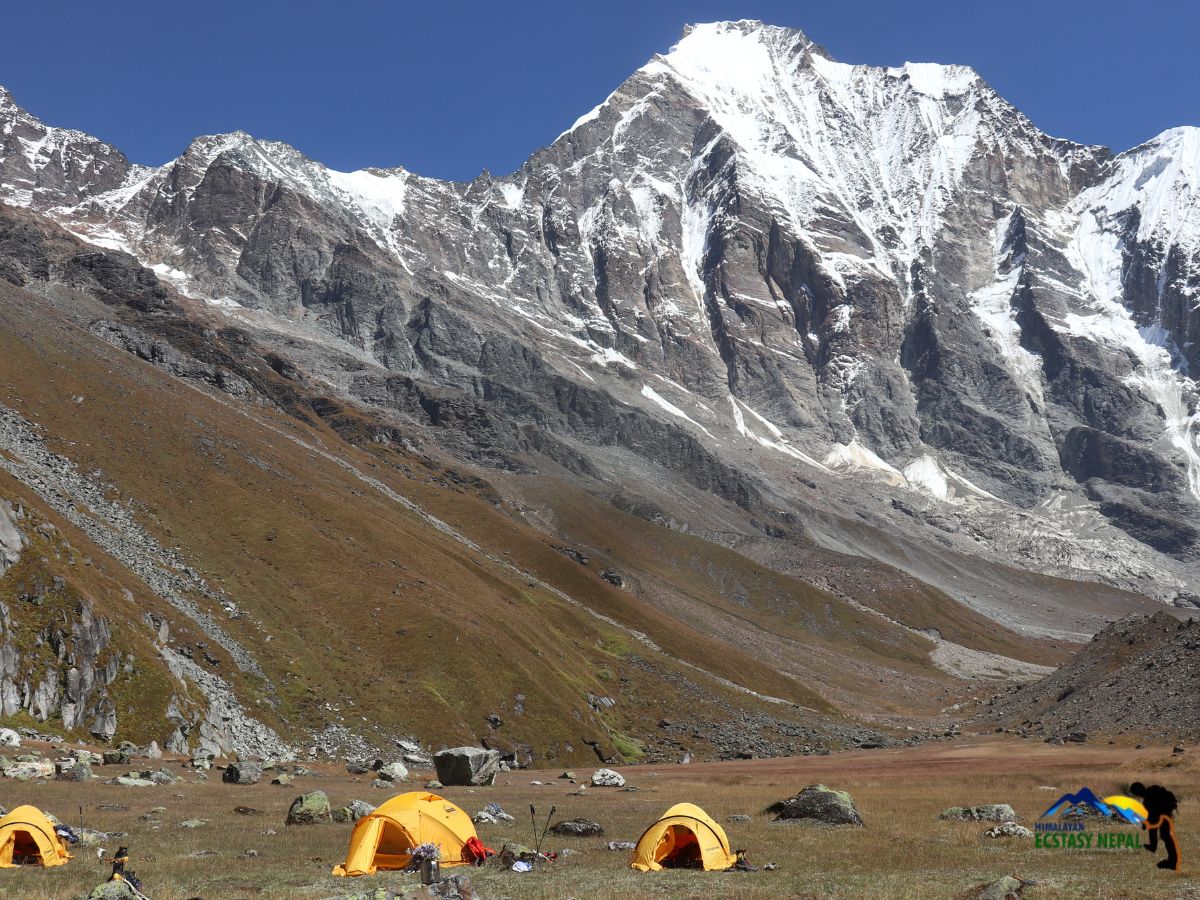
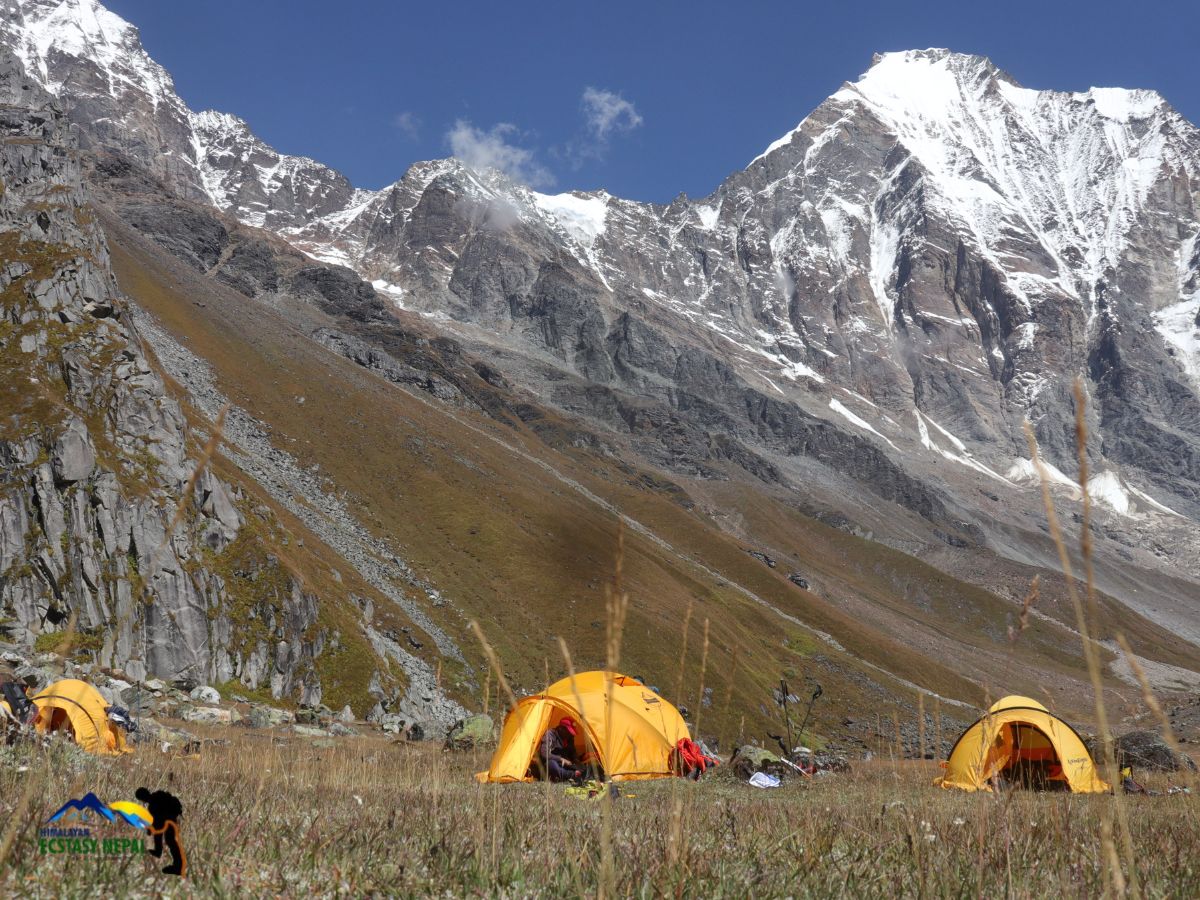
In autumn, skies are clear and mountain views from Dhauliodhar and base camp are at their sharpest! Bhadra Purnima in early autumn brings the Surmasarovar Jatra and pilgrimage activity toward Kali Dhunga Lake.
Monsoon (June to August) makes the jeep road to Makarighad difficult and the mid-hill sections wet. Winter (December to February) brings snow above Dhauliodhar and extreme cold at base camp. But if you’re still planning these seasons, going with a reliable tour operator like HEN ourselves would be the best bet!
Permits Required for Api Base Camp Trek
One permit is required: the Api Nampa Conservation Area Entry Permit.
TIMS Card used to be a compulsion in the past but these days, you don’t need it!
Don’t worry! HEN arranges all necessary permits before your trek begins (so, you don’t have to stress about this at all).
Note: The government has temporarily waived mountaineering royalty fees for 97 peaks in the Karnali and Sudurpaschim provinces to promote these remote regions. But they don’t apply to trekking permits, so don’t be confused. And in case you’re someone who wants to go on an expedition, just let our team at HEN know, and we’re ready to serve you!
Difficulty Level of Api Himal Base Camp Trek
The Api Himal Base Camp Trek is rated Moderate. The daily walking hours is about 4 to 7 hours on varied terrain, including sections with loose rock and no technical skills are required.
The most demanding day is the ascent from Dhauliodhar (3,548 m) to base camp.
Maximum altitude stays around 4,200 m, keeping serious altitude sickness risk low. However, mental preparation matters as much as physical fitness.
And keep in mind that toilets are always outside, electricity is limited or absent at many stops, and facilities are basic throughout. All these can directly affect the difficulty of Api Himal Base Camp trek.
Accommodation and Food on This Trek
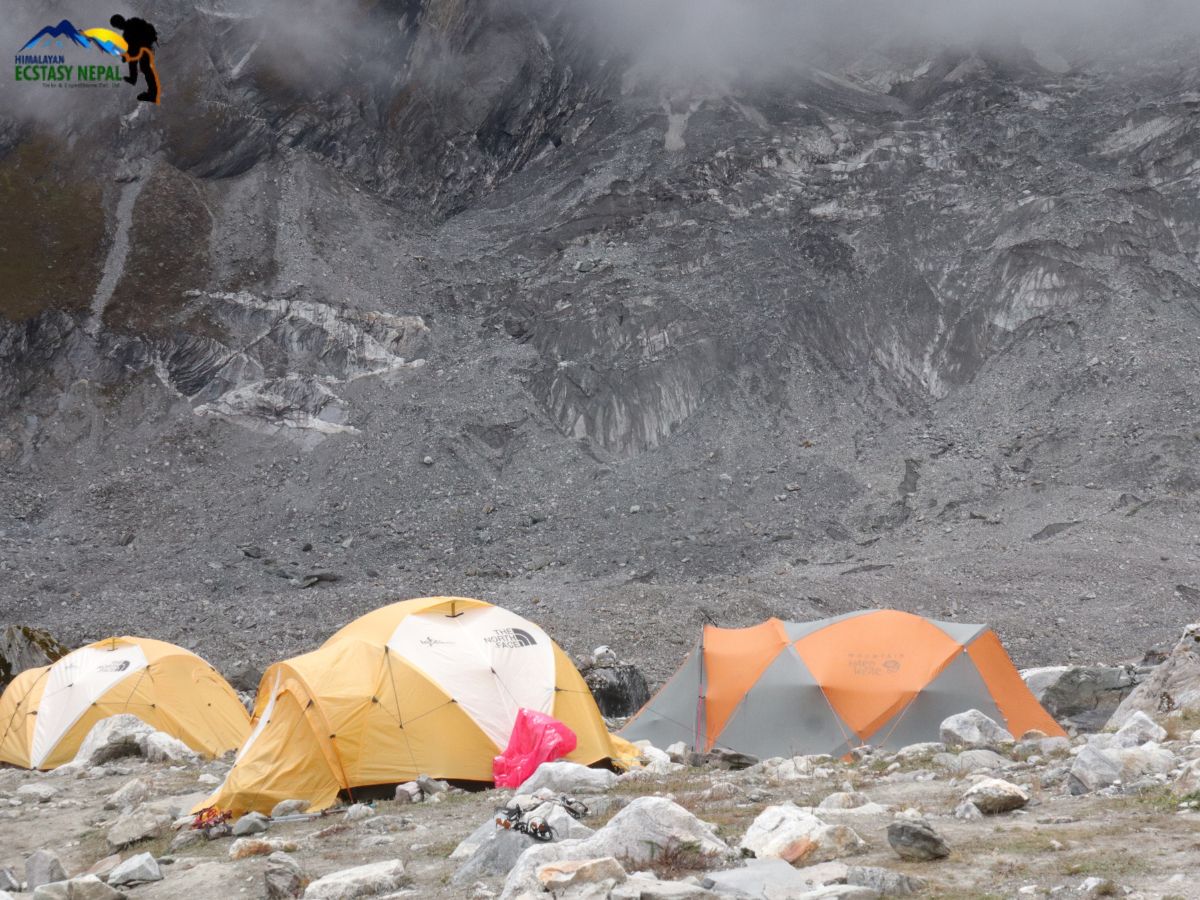
Accommodation in the Api-Nampa region is basic teahouse and homestay throughout.
Among all the stops, Siti has the most reliable facilities, including a shower and wifi on solar power. Above Siti, everything becomes simpler!
The main food here is roti-tarkari, and Dal-bhat remains secondary, as mentioned earlier. Continental food is not reliably available like other treks in Nepal.
Good news for you: our cook uses local kitchen facilities to keep meals consistent. So, while options may not exist locally, we will make sure you won’t be disappointed!
Regarding drinking water, make sure that you opt for only boiled water above the lower villages. Carrying a purification tablet/drop works best!
How to Prepare for Api Base Camp Trek
Before you book this trek with HEN, here is what you need to be prepared for:
- Physical Preparation: Build walking stamina before you arrive. You need to move uphill and downhill for 5 to 7 hours daily on terrain that includes loose rock sections.
- Mental Preparedness: Toilets are outside, electricity is limited, and rooms are shared. Go in knowing this and the trek becomes an adventure. Go in expecting otherwise and it will be a difficult two weeks.
- Altitude Sickness and Preventive Measures: The maximum altitude is approximately 4,200 m, and the risk is relatively low. But still, you need to ascend steadily, stay hydrated, and consult a doctor before your trek.
- Hydration and Nutrition: Carry energy snacks, chocolate, and protein bars from Kathmandu as variety is very limited on the trail above Siti. The local food is more focused on filling your tummy, so it will be more carbohydrate-based.
- Travel Insurance: Insurance isn’t legally compulsory, but we at HEN always recommend it. And your insurance must cover emergency helicopter evacuation and altitude sickness treatment above 4,000 meters.