A Restricted Area Permit (RAP) is a special government permit required to trek in certain protected and sensitive regions of Nepal. These areas are categorized under restricted zones to preserve their unique ecology, rare wildlife, ancient cultures, and geopolitical significance along Nepal's border regions.
The permit is issued through Nepal Immigration via a locally registered and government-recognized trekking agency. Fees are set by the Nepal Government and vary by area, currently charged on a per day royalty basis.
Planning well in advance is essential as the permit process requires a passport valid for at least six months and is only processed during official government working hours on working days.
What is a Restricted Area Permit (RAP)?
A Restricted Area Permit (RAP) is a mandatory special government permit required to enter and trek in Nepal's most protected and sensitive regions. Not every part of Nepal is open to all visitors, and for good reason.
Certain areas of the country are classified as restricted zones due to their ecological fragility, rare and endangered wildlife, unique Tibetan-influenced cultures, and sensitive geopolitical locations along Nepal's border with Tibet and China.
The Nepal Government introduced the Restricted Area Permit system to carefully regulate the flow of visitors into these zones. This helps protect the environment, preserve the way of life of local communities, and maintain the natural and cultural integrity of these remarkable regions.
By requiring trekkers to obtain a special permit, the government ensures that only those who are properly prepared and registered can access these areas, keeping them safe and sustainable for future generations.
Trekking in a restricted area without the proper permit is strictly prohibited and can result in serious legal consequences. It is therefore essential that all trekkers planning to visit any restricted zone in Nepal obtain their RAP permit well in advance through the correct official channels.
Why Are Certain Areas Categorized as Restricted?
Nepal's restricted areas are some of the most extraordinary and untouched destinations in the entire Himalayan region. They are categorized as restricted for several important reasons.
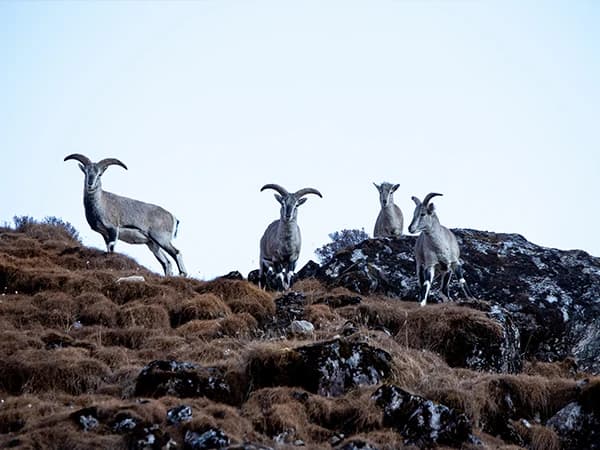
Many of these regions share borders with Tibet (China)and Sikkim (India) and are considered geopolitically sensitive, requiring the government to monitor and control who enters. Others are home to rare ecosystems, endangered species like the snow leopard, and high altitude environments that are extremely vulnerable to unregulated tourism.
Beyond the environment, many restricted areas are home to ancient communities with distinct cultures, languages, and traditions that have remained largely unchanged for centuries. The RAP system helps protect these communities from the disruption that mass tourism can bring, ensuring that visitors enter these areas with respect, awareness, and proper support from registered agencies.
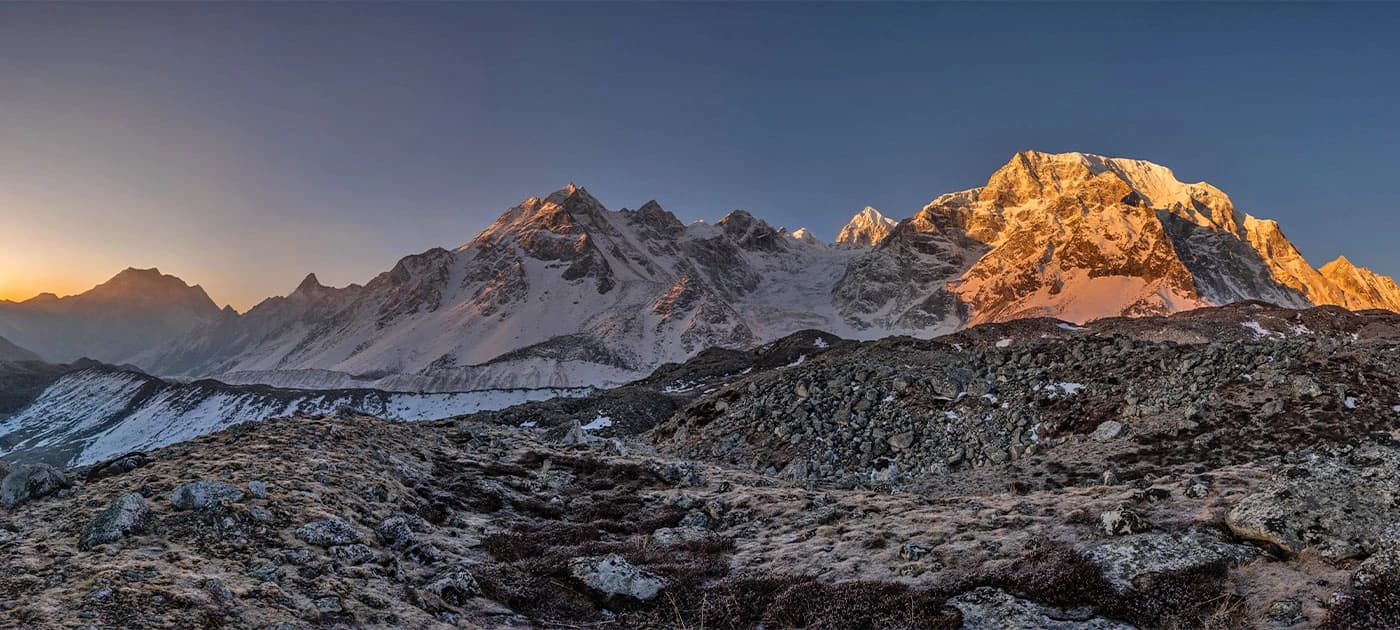
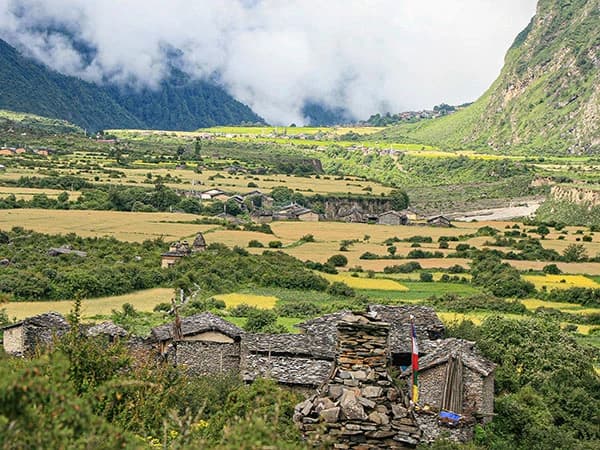
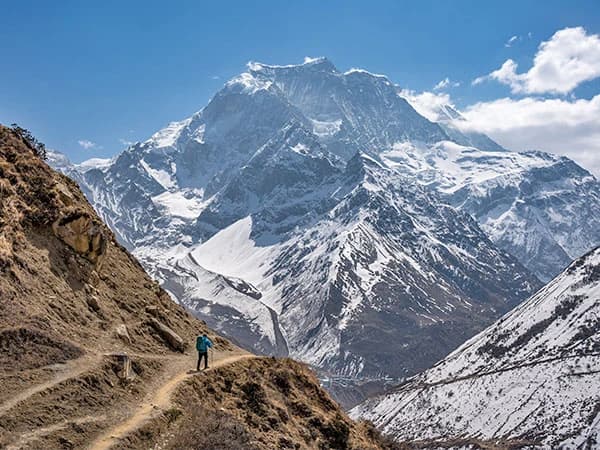
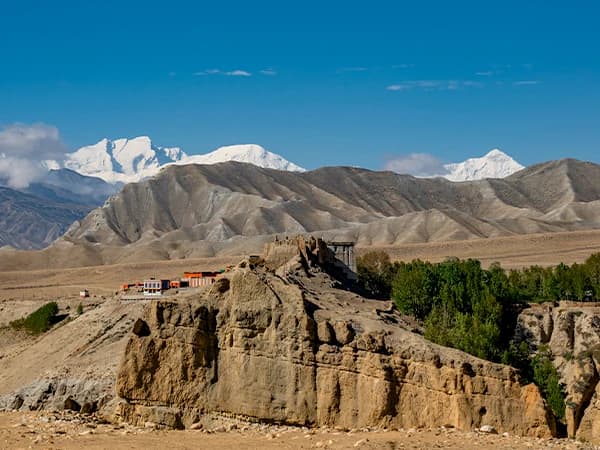
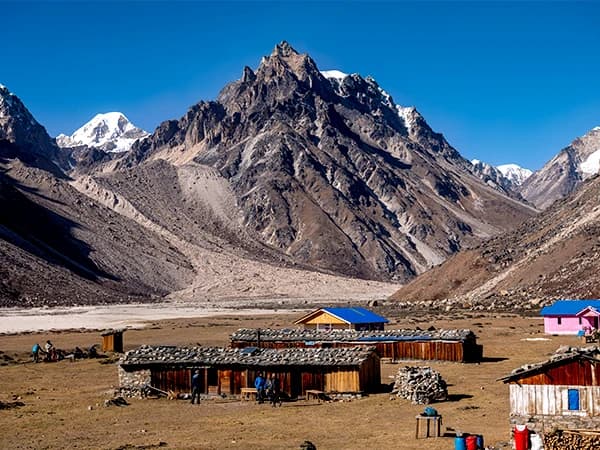
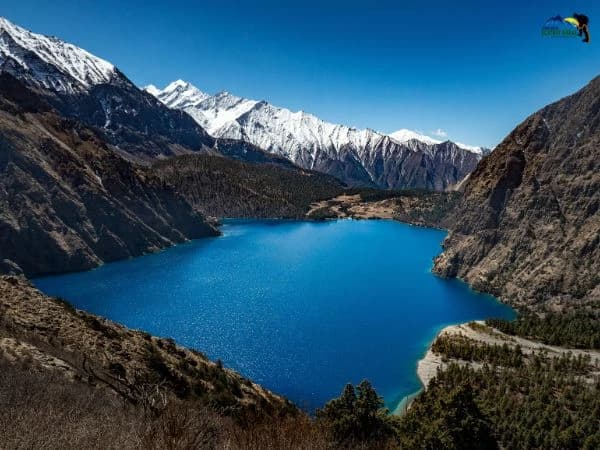
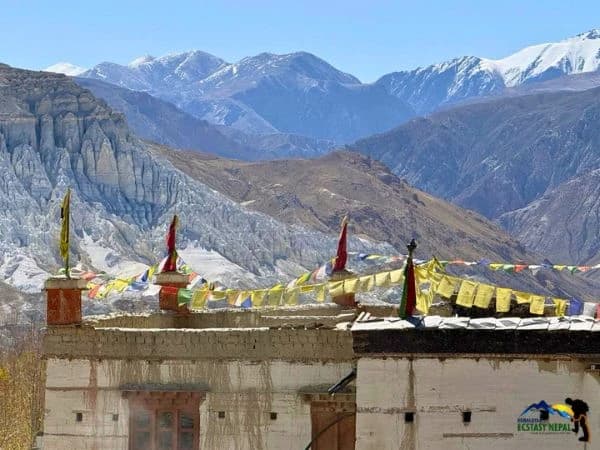
The main restricted trekking regions in Nepal include Upper Mustang and Nar Phu in Annapurna region, both Upper and Lower Dolpo regions, Tsum Valley and Manaslu region, Kanchenjunga, Gaurisankhar's Ward-9, Humla, etc. Each of these destinations offers a truly unique experience that cannot be found anywhere else in the world.
2026 Updates to RAP Rules
The Nepal Government made two major changes to the Restricted Area Permit system in 2026 that all trekkers should be aware of:
- First, as of March 22, 2026, solo trekking is now allowed in restricted areas. Previously, permits were only issued to groups of two or more trekkers. This rule has been removed, meaning a single traveler can now obtain a RAP permit. However, trekking with a licensed guide from a registered agency is still mandatory. Independent, guide-less trekking remains strictly prohibited!
- Second, the fixed minimum number of days requirement has been removed. Previously, trekkers had to pay for a minimum of 7 to 10 days even if their trek was shorter. Now, permits are issued based on the actual number of days you spend inside the restricted area. This makes restricted area trekking more flexible and affordable for shorter trips.
How to Obtain a Restricted Area Permit?
The RAP permit can only be obtained through a locally registered and government-recognized trekking agency via the Department of Nepal Immigration in Kathmandu. Individual travelers cannot apply on their own.
The permit must be processed by a legitimate and registered Nepali trekking company that holds the necessary licenses and documentation to apply on behalf of their clients.
At Himalayan Ecstasy Nepal, we are a fully registered and government-recognized trekking agency with extensive experience in handling RAP permits for all restricted areas across Nepal. Our team manages the entire permit process on your behalf, ensuring that all paperwork is completed correctly and submitted on time.
The total permit cost includes the government-set royalty fee for the specific restricted area, along with applicable agency service charges, taxes, and VAT as per company policy. Nepali staff insurance fees are also included as required by government regulations.
Restricted Area Permit Fee Structure (2026)
Permit fees are set and regulated by the Nepal Government and differ depending on the specific restricted area you plan to visit.
Below is the current area-wise fee structure. Note that additional conservation area permits may also be required depending on your route. And there are more resricted areas. In case of further confusion, contact us, and we'll let you know the details.
| Region | RAP Fee | Additional Permits Required |
|---|---|---|
| Upper Mustang | USD 50 per person per day | ACAP: NPR 3,000 |
| Upper Dolpo | USD 50 per person per day | Shey Phoksundo National Park: NPR 3,000 |
| Lower Dolpo | USD 20 per week + USD 5 per extra day | Shey Phoksundo National Park: NPR 3,000 |
| Manaslu Circuit | Sep-Nov: USD 100/week + USD 15/extra day Dec-Aug: USD 75/week + USD 10/extra day |
MCAP: NPR 3,000, ACAP: NPR 3,000, Municipality: NPR 1,000 |
| Tsum Valley | Sep-Nov: USD 100/week + USD 15/extra day Dec-Aug: USD 75/week + USD 15/extra day |
MCAP: NPR 3,000 |
| Nar Phu Valley | Sep-Nov: USD 100/week + USD 15/extra day Dec-Aug: USD 75/week + USD 15/extra day |
ACAP: NPR 3,000 |
| Kanchenjunga | USD 20 per week (first 4 weeks) USD 25 per week (beyond 4 weeks) |
KCAP: NPR 3,000 |
| Humla | USD 50 per week + USD 10 per extra day | Karnali Conservation: NPR 3,000 |
Important Things to Know Before Applying
- Book at least 6 months to 1 year in advance: RAP permits require a passport valid for at least six months from your trek date. We strongly recommend booking your restricted area trek well in advance to avoid any delays.
- Government office hours only: Permits can only be processed during official government working days and hours. Government offices are closed on public holidays and major Nepali festivals, making last minute permits extremely difficult to obtain.
- Urgent permits may incur additional fees: If you require a permit to be processed urgently, additional service charges may apply.
- Travel insurance is mandatory: Nepal Immigration strongly requires all trekkers to have valid travel insurance from their home country, specifically covering emergency helicopter evacuation and high altitude medical expenses.
- Only registered agencies can apply: Individual trekkers cannot apply for a RAP permit on their own. Always verify that your agency holds the necessary government licenses.
- TIMS card is not required for restricted area trekking.
Required Documents from Clients
- Color digital copy of passport, high resolution preferred (valid for at least six months from trek start date)
- Passport size photograph, digital format preferred (recent photo with white background)
- Valid travel insurance policy covering emergency helicopter evacuation and high altitude medical expenses
- Nepal entry visa stamp on original passport (required per client/guest)
Required Documents from the Agency
In addition to client documents, the registered trekking agency must submit a complete set of valid official documents to Nepal Immigration. At Himalayan Ecstasy Nepal, we maintain all required agency documents and ensure full compliance with Nepal Immigration regulations.
These include our tax clearance certificate, valid Nepali staff insurance papers, company registration documents, trekking agency license, and any other relevant paperwork required by the government at the time of application.
Plan Your Restricted Area Trek with Himalayan Ecstasy Nepal
At Himalayan Ecstasy Nepal, we have years of experience managing Restricted Area Permits for trekkers from all over the world. Our team understands the permit process inside and out, and we are here to make the entire experience as smooth and hassle free as possible for you.
We strongly recommend reaching out to us at least 6 months to 1 year before your planned trek date to begin the permit process. Early planning gives us enough time to prepare all documents, confirm availability, and ensure that your permit is ready well before your departure.
Whether you are planning to trek to Upper Mustang, Upper Dolpo, Manaslu and Tsum Valley, Kanchenjunga Circuit, Nar Phu Valley, or any other restricted area in Nepal, our team is ready to guide you every step of the way. Get in touch with us today and let us help you plan the trek of a lifetime.