Khopra Danda Trek - 9 days

18 Reviews in TripAdvisor
42 Reviews in Google

The Khopra Danda and Khayer Lake Trek takes you through one of the quieter corners of the Annapurna region, starting from the Gurung village of Ghandruk (approximately 28.377° N, 83.807° E) and climbing to Khopra Danda at approximately 28.4722° N, 83.7066° E. Over 9 days, you will walk through Gurung and Magar villages, rhododendron forest, and open ridgelines before reaching Khopra Danda at 4,020 m and the sacred Khayer Lake at 4,827 m. The trek closes with a walk down to the Tatopani hot spring rather than the busier Ghorepani and Poon Hill route, giving the trip a relaxed, authentic ending. This trek suits trekkers with moderate fitness who want high mountain views without the crowded trails.

Grade: Moderate to Challenging

Trip Overview
Duration9 Days
Trip GradeModerate
CountryNepal
Maximum Altitude4,827 m (Khayer Lake)
Group Size1 to 20
StartsPokhara
EndsPokhara
ActivitiesCultural Trekking
Best TimeSpring (March to May) and Autumn (September to November)

TREK HIGHLIGHS

  • Begin in Ghandruk, one of the largest and best-preserved Gurung villages in the Annapurna region.
  • Reach Khopra Danda at 4,020 m, known for some of the clearest views of Dhaulagiri in the region.
  • Hike to the sacred Khayer Lake at 4,827 m, the highest point of the trek.
  • Watch sunrise from Muldai Viewpoint over the Annapurna and Dhaulagiri ranges.
  • Trek through rhododendron and oak forest on a quiet stretch of the Annapurna Conservation Area.
  • Visit Swanta, a small and rarely visited Magar village known for its community cheese.
  • Skip the crowded Poon Hill route and finish instead with a walk down to the Tatopani hot spring.
  • Pass through Shikha and Ghara, two of the oldest settlements on the classic Annapurna Circuit trail.

Khopra Danda and Khayer Lake Trek - What to Expect?

The Khopra Danda and Khayer Lake Trek is a 9-day journey through one of the quieter corners of the Annapurna Conservation Area. Your trek begins with a drive from Pokhara toGhandruk, one of the largest and most well-preserved Gurung villages in Nepal.

We start this trek from Ghandruk rather than heading straight up a shorter access trail, because this route gives you a proper first impression of Gurung culture and Himalayan settlement life before the trail climbs into quieter terrain.

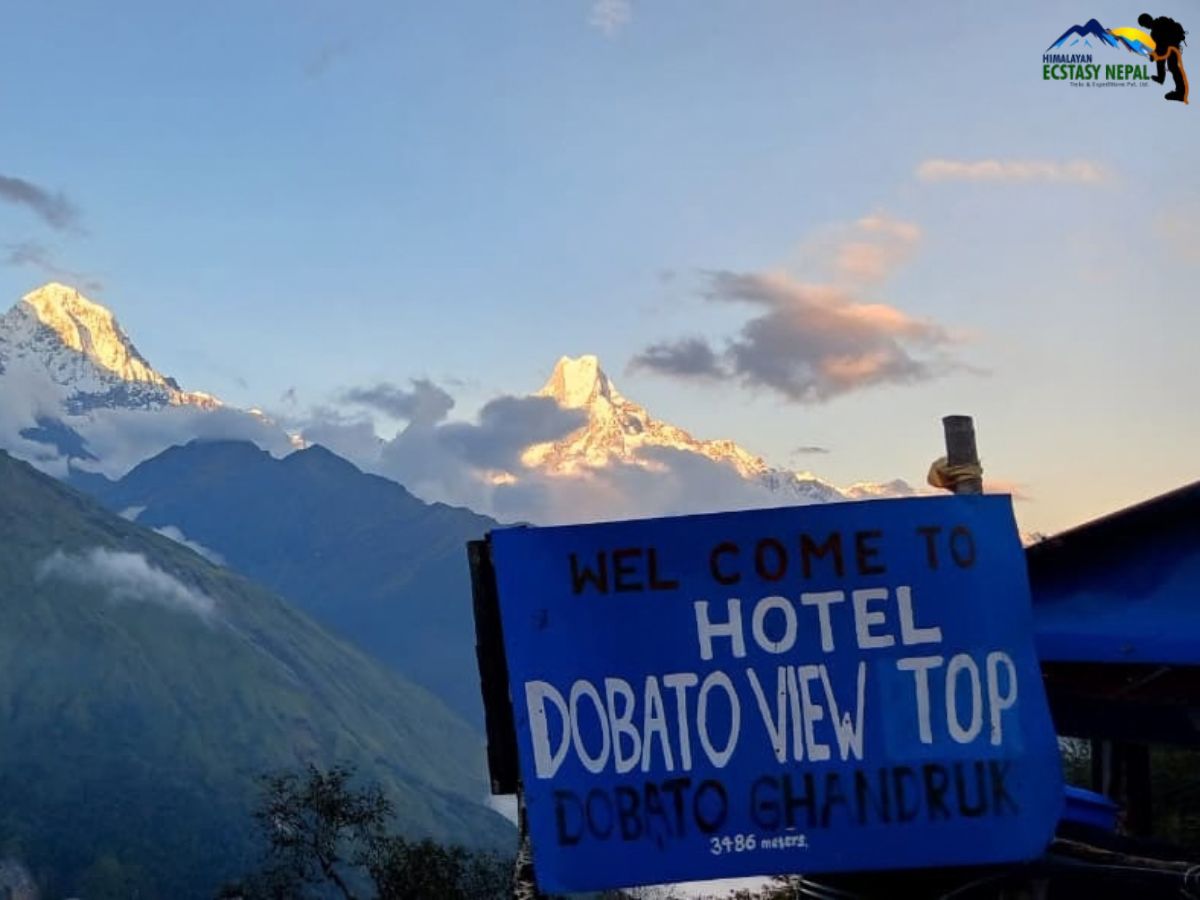
From Ghandruk, the trail climbs through rhododendron and oak forest to Tadapani, then continues to Dobato, where the route leaves the main Annapurna Base Camp trail behind.

A sunrise hike to Muldai Viewpoint offers one of the widest mountain panoramas on the trek, taking in Dhaulagiri, Annapurna, and Machhapuchhre in one sweep, before the trail drops to Chistibung and climbs again to Khopra Danda at 4,020 m, a wide, grassy ridge with some of the clearest views of Dhaulagiri in the entire Annapurna region.

Khopra Danda also serves as the base for the trek's highest point, Khayer Lake, sitting at 4,827 m. This sacred lake is a full day's round trip from Khopra Danda, following a rugged trail across open highland with no villages along the way.

Since Khopra Danda and Khayer Lake sit at a higher elevation than Poon Hill, they give you a wider and quieter mountain panorama, which is why our standard itinerary leaves Poon Hill out of the main route.

After Khayer Lake, the trek descends toward Swanta, a small Magar village known for its community cheese, before continuing down through Shikha and Ghara, two of the oldest settlements on the classic Annapurna Circuit trail, to the natural hot spring at Tatopani.

Closing the trek in one continuous loop toward the hot spring, rather than retracing much of the same ground through Ghorepani, makes for a more authentic finish and a genuinely relaxing last stop before the drive back to Pokhara.

This trek works well for those who want to combine classic Annapurna scenery, forested trails, and mountain villages with a route that stays well away from the crowds from start to finish.

The steady climb toward Khopra Danda and Khayer Lake, followed by the long, easy descent to Tatopani, gives the trek a natural rhythm and a rewarding way to end the journey.

Why Trek With Himalayan Ecstasy Nepal?

  • Our team has completed this route many times, and the notes below reflect what we have learned from guiding it, from the quiet stretch above Dobato to the hot spring finish at Tatopani.
  • We start this trek from Ghandruk so you get a proper first impression of Gurung culture, and we route the finish through Tatopani instead of Poon Hill for wider, quieter mountain views.
  • Our guides know the Khopra Ridge and the Swanta-to-Tatopani stretch well, including sections where trail markers are less frequent and local knowledge matters more.
  • Your trek is arranged on a private or small group basis, so you will not be grouped with strangers or rushed to keep pace with a larger group.
  • Our team arranges your ACAP permit, licensed guide, accommodation, and daily meals in advance, so you can focus on the trek instead of the paperwork behind it.
  • We rely on a fixed, trusted network of local lodges, which matters most in the quieter section between Dobato and Khopra Danda, where accommodation options are more limited.
  • We can adjust your starting point, add an acclimatization day, or build in a Poon Hill visit through Ulleri if you would still like to see it.
  • Porter welfare is a priority for us. Our porters are given proper clothing, fair wages, and manageable loads, and we work with community-run lodges wherever possible.

Main Attractions of 9-Day Khopra Danda Trek

Ghandruk Village

Ghandruk is one of the largest Gurung settlements in the Annapurna region, sitting at around 1,940 m with close-up views of Annapurna South and Machhapuchhre. Many families here have a history connected to the Gurkha regiments, and the village carries that identity in its stone-paved paths and traditional houses.

We route this trek through Ghandruk first because it gives you a rich introduction to Gurung cultural life and Himalayan settlement before the trail moves into quieter, higher terrain.

Walking through the village in the early evening, once the day's trekking groups have settled into their lodges, gives you a quieter feel for its daily rhythm.

Khopra Danda
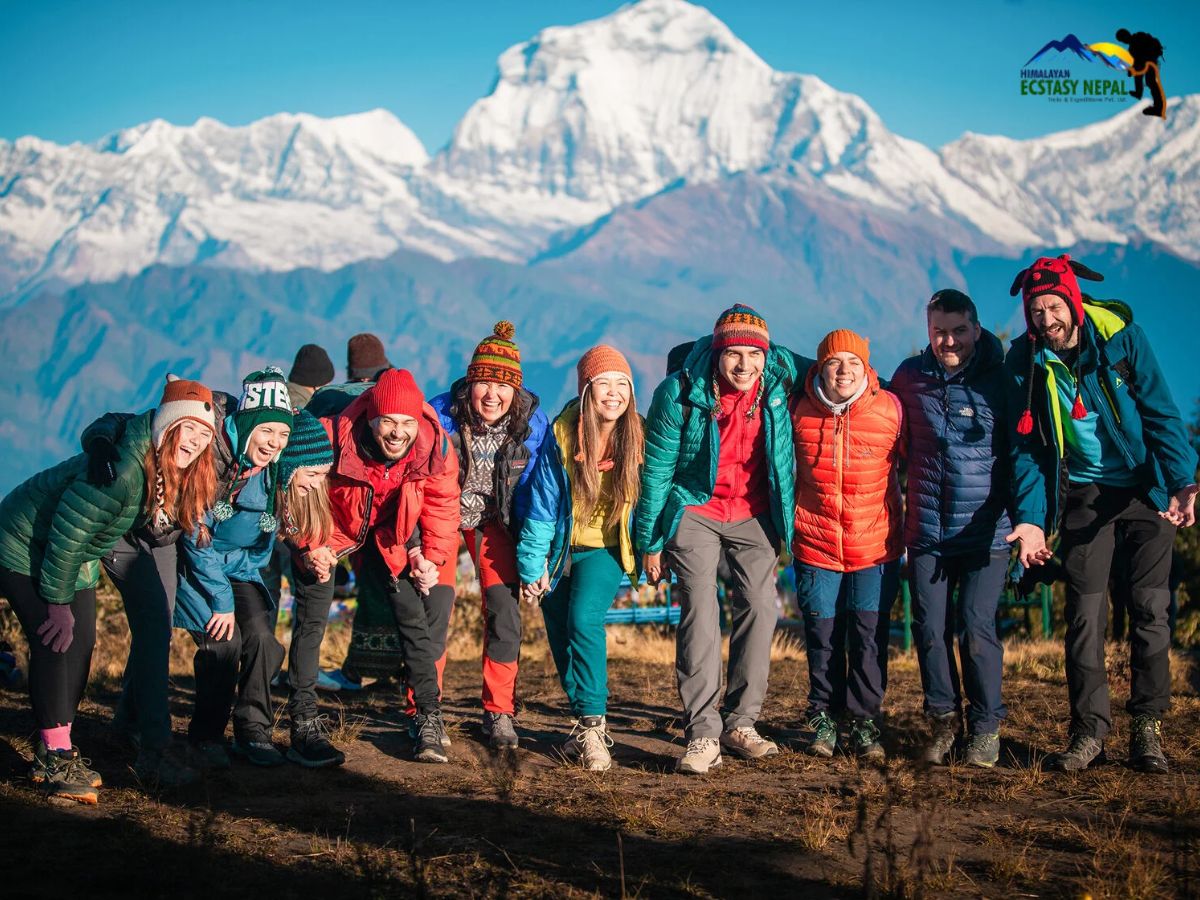
Khopra Danda sits on an open, grassy ridge at 4,020 m and is considered one of the best viewpoints for Dhaulagiri in the Annapurna Conservation Area. On a clear day, you can also see down into the Kali Gandaki gorge.

Because this section of the trek sees far fewer trekkers than the Annapurna Base Camp trail, the ridge often feels open and quiet even during the main trekking seasons.

Its elevation, higher than Poon Hill, is one of the main reasons our team builds this trek around Khopra Danda rather than the more familiar sunrise viewpoint.

Khayer Lake

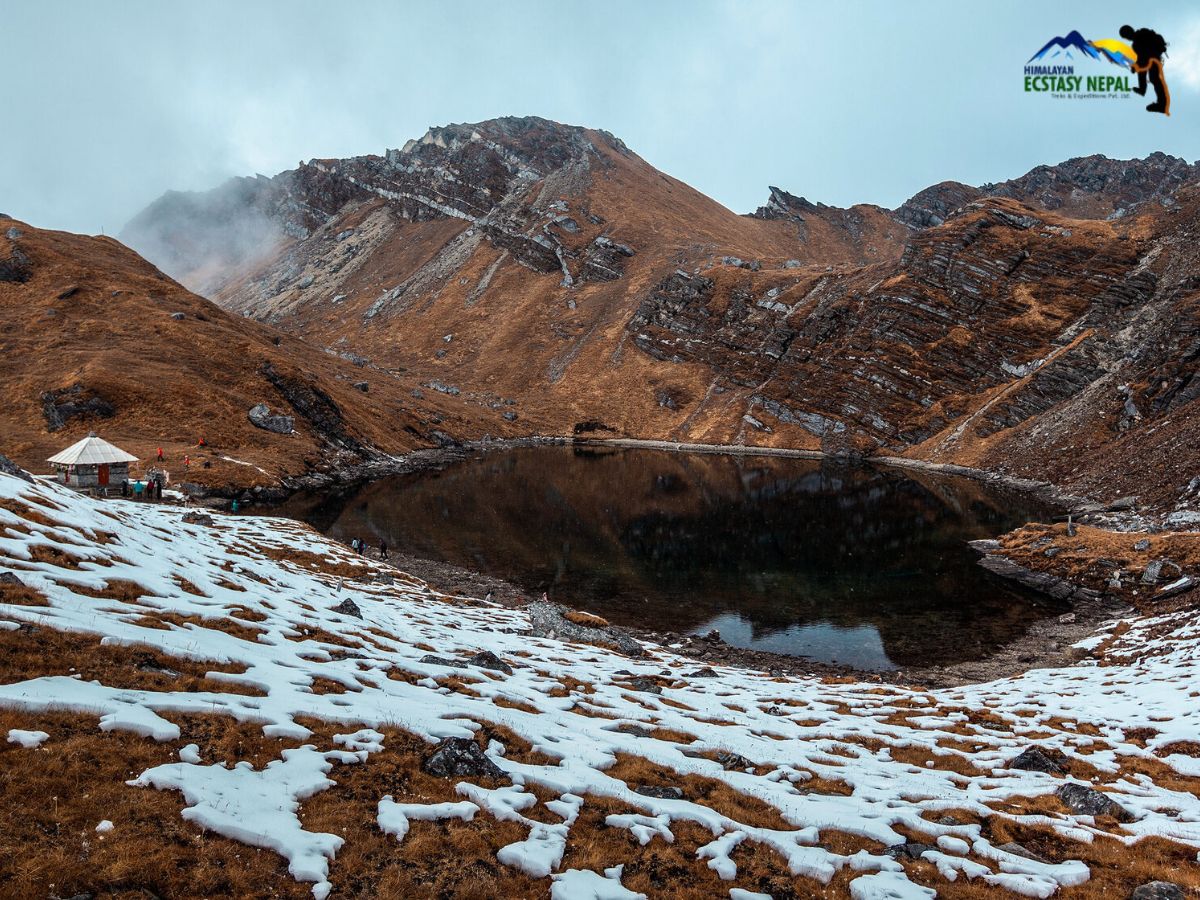
Khayer Lake, also known as Khayar Lake, sits at 4,827 m and is the highest point reached on this trek. Hindu pilgrims consider it a sacred site, and some believe that bathing in its waters brings spiritual merit.

The lake sits in a remote, high-altitude bowl with no permanent settlements nearby, which adds to its untouched feeling.

Reaching it requires a full day's round trip from Khopra Danda across rugged, open terrain, and the views along the way take in Dhaulagiri, Annapurna South, and the surrounding high ridges.

Muldai Viewpoint

Muldai Viewpoint, at 3,637 m, is reached with an early morning hike from Dobato. From the top, you get a wide panorama that includes Dhaulagiri, Annapurna, Machhapuchhre, and, on a clear morning, a distant view of Phewa Lake in Pokhara.

Sunrise from Muldai is one of the more peaceful viewpoint experiences on this trek, since the site sees far fewer visitors than Poon Hill.

Swanta Village
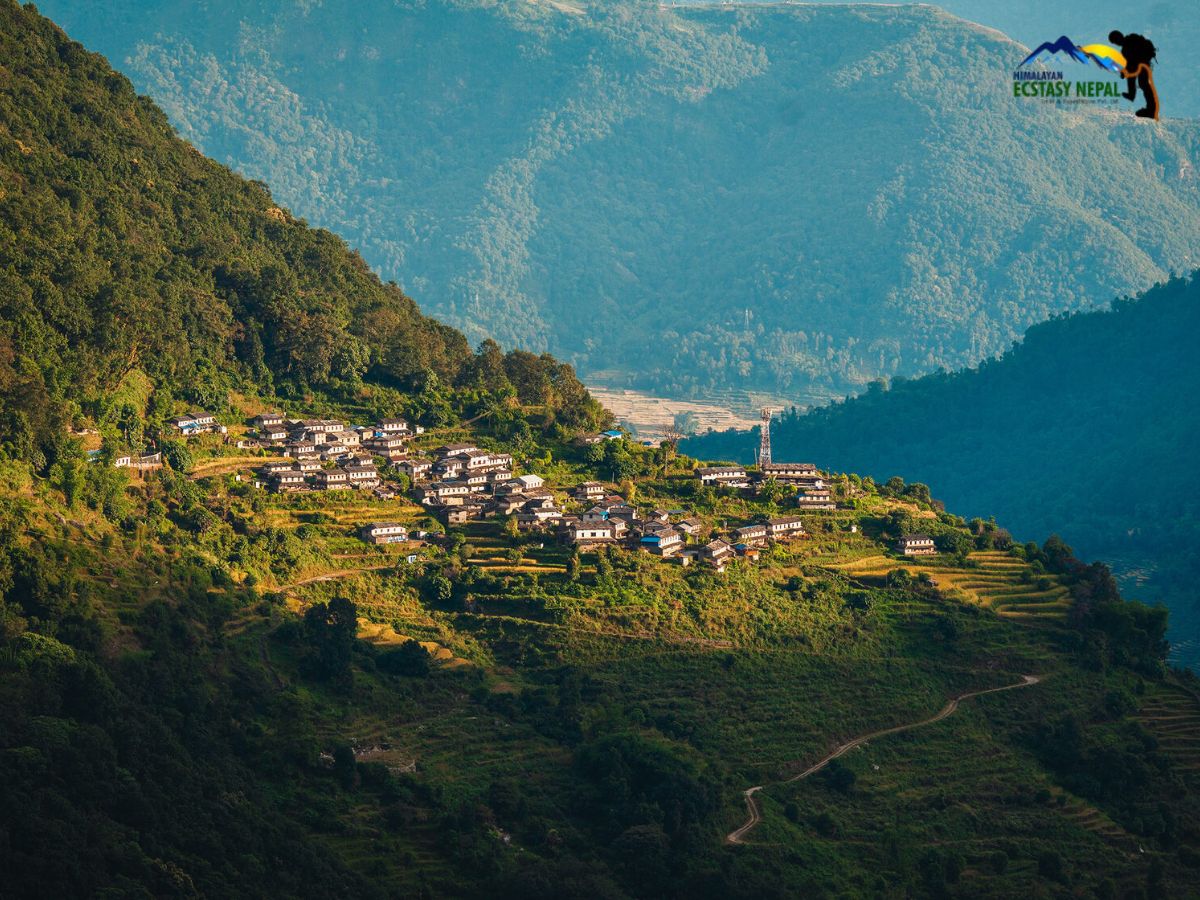
Swanta is a small Magar village that sees very few trekkers compared to the more established stops along this route.

The village is known for its community-run cheese, and staying here gives you a glimpse of daily life in a community less shaped by tourism, with terraced fields and traditional houses set into the hillside.

Tatopani Hot Spring

Tatopani sits at around 1,190 m along the Kali Gandaki river and takes its name from the natural hot spring found here, tatopani meaning hot water in Nepali.

After the long climb to Khayer Lake and the descent through Swanta, this is where the trek slows down. Soaking in the mineral-rich water at the end of the trail is a relaxed, well-earned way to close the journey before the drive back to Pokhara.

Shikha and Ghara Villages

Shikha and Ghara are two of the oldest settlements along the classic Annapurna Circuit trail, sitting on the descent between Swanta and Tatopani.

Walking through them gives you a look at village life along one of Nepal's most established trekking routes, with terraced fields, mixed Gurung and Magar communities, and stone houses built into the hillside.

Rhododendron and Oak Forest

Large sections of this trek, particularly between Ghandruk, Tadapani, and Dobato, and again between Chistibung and Khopra Danda, pass through dense rhododendron and oak forest.

In spring, the rhododendrons bloom in shades of red, pink, and white, making this one of the most visually striking sections of the trek.

Khopra Danda Trek - 9 days Itinerary

Pokhara to PokharaExpand all
Max Altitude: 1,940 m Meals: B, L, DAccommodation: Local Lodge
Max Altitude: 2,610 m Meals: B, L, DAccommodation: Local Lodge
Max Altitude: 3,350 m Meals: B, L, DAccommodation: Local Lodge
Max Altitude: 3,000 m Meals: B, L, DAccommodation: Local Lodge
Max Altitude: 4,020 m Meals: B, L, DAccommodation: Local Lodge
Max Altitude: 2,270 m Meals: B, L, DAccommodation: Local Lodge
Max Altitude: 1,190 m Meals: B, L, DAccommodation: Local Lodge
Max Altitude: 820 m Meals: B, LAccommodation: HotelTransportation: Private Vehicle

Trip Cost Details

Includes

  • Airport transfers on arrival and departure by private vehicle
  • Hotel accommodation in Pokhara before and after the trek
  • All accommodation during trekking days
  • Annapurna Conservation Area Permit (ACAP)
  • Licensed English-speaking guide with salary and insurance
  • All meals during the trek: breakfast, lunch, and dinner
  • Tea and coffee at breakfast and dinner
  • Porter service, carrying up to 20 kg per 2 trekkers
  • All ground transportation listed in the itinerary, including the drive from Pokhara to Ghandruk and Tatopani back to Pokhara

Excludes

  • Personal expenses
  • International flights
  • Nepal tourist visa fee
  • Personal travel and health insurance covering emergency evacuation
  • Meals outside the itinerary
  • Hot showers, Wi-Fi, and battery charging fees on the trail
  • Laundry
  • Personal gear and clothing
  • Costs from natural disasters, weather, or anything outside our control
  • Early departure costs, non-refundable
  • Tips for guides and porters
  • Any service not listed above

Essential Information

Best Time to Trek

Spring (March to May): Spring is one of the best times for this trek. Rhododendron forests bloom in full color, especially along the Ghandruk to Tadapani and Chistibung to Khopra Danda sections. Daytime temperatures are comfortable, and mountain visibility is generally good, though afternoon clouds can build up in the lower valleys. The Tatopani hot spring is especially welcome after the descent from Swanta during this warmer season.

Summer or Monsoon (June to August): This season brings regular rainfall, making trails muddier and leeches more common in the lower forested sections. Mountain views are less reliable due to cloud cover, though the hillsides are at their greenest. This is generally a quieter season for trekking, and some trekkers choose it specifically to avoid crowds, understanding that clear mountain views are less guaranteed.

Autumn (September to November): Autumn is the most popular season for this trek. Skies are usually clear, temperatures are comfortable for walking, and visibility of the Annapurna and Dhaulagiri ranges is generally at its best. Since this itinerary avoids the busier Ghorepani and Poon Hill trail, the route stays comparatively quiet even during this peak season.

Winter (December to February): Winter brings cold temperatures, especially at higher points like Khopra Danda and Khayer Lake, where nighttime temperatures drop well below freezing. Snowfall is possible on the higher sections of the trail, and some remote lodges may have limited services. Mornings are often clear, and the mountain views can be sharp and vivid, but this season requires proper cold-weather gear and a realistic expectation of colder, quieter trail conditions.

Altitude and AMS Note

This trek climbs from around 1,940 m at Ghandruk to 4,827 m at Khayer Lake over the course of a week, with the steepest gain coming between Chistibung (3,000 m) and Khopra Danda (4,020 m), and again on the push to Khayer Lake the following day.

Early symptoms of altitude sickness can include headache, nausea, and fatigue. The itinerary is designed to reduce this risk by building in a lower overnight stop at Chistibung between Dobato and Khopra Danda, and by keeping Khayer Lake as a day hike rather than an overnight stay, so you return to a lower sleeping altitude the same evening.

Please consult your doctor before the trek regarding altitude sickness prevention.

Permits Required

This trek falls within the Annapurna Conservation Area, and the main permit required is the Annapurna Conservation Area Permit (ACAP).

As of 2026, this permit costs NPR 3,000 for foreign nationals and NPR 1,000 for SAARC nationals, and it is a one-time, non-refundable entry fee that stays valid for the full length of your trek inside the conservation area.

It is checked at entry checkpoints along the route and is issued by the National Trust for Nature Conservation.

The Trekkers' Information Management System (TIMS) card has historically been associated with Annapurna region treks, but it is not currently enforced on this route.

You will need to bring your passport and passport-sized photos when we process your permits, and our team keeps track of current permit requirements at the time of your trek.

Difficulty Level of Khopra Danda Trek

The Khopra Danda and Khayer Lake Trek is graded moderate to challenging. Daily walking hours range from 3 to 4 hours on shorter days to 8 to 9 hours on the round trip hike to Khayer Lake and the long descent from Swanta to Tatopani, which are the two most demanding days of the trek.

The trek reaches a maximum altitude of 4,827 m at Khayer Lake, with several consecutive nights spent above 3,000 m. This altitude range means acclimatization matters, and the itinerary is designed with a gradual climb, including a lower overnight stop at Chistibung, to help your body adjust.

Terrain varies throughout the trek, from forested trail and stone steps in the lower sections to open, rugged highland above Chistibung and around Khayer Lake, followed by a long, steady descent to Tatopani. Trekking poles and a steady pace are worth considering on these stretches.

Prior trekking experience is not mandatory, but a reasonable level of fitness is important, along with some experience with multi-day walking. We recommend building up your walking stamina in the months before your trek, and consulting your doctor about your fitness for high-altitude trekking before booking.

Long walking days, changing weather, and the effects of altitude can be tiring, and a calm, patient mindset helps far more than rushing to keep pace. Our guides monitor how each trekker is adjusting to the altitude throughout the trek and will adjust the pace when needed.

Accommodation and Food to Expect

Accommodation on this trek consists of local teahouse lodges throughout the trekking days, and a hotel in Pokhara before and after the trek.

Rooms in the lower villages, such as Ghandruk and Tadapani, are generally more comfortable, often with attached bathrooms available in some lodges.

As you move into the quieter, higher sections around Dobato, Chistibung, and Khopra Danda, rooms become more basic, typically twin-sharing with shared bathroom facilities.

Hot showers, Wi-Fi, and device charging are usually available for an additional cost in most lodges, though these services become less reliable the higher you go, and may not be available at all in the more remote stops like Khopra Danda.

In Swanta, guests can try locally made cheese from the village's community cheese production, and Tatopani offers a genuinely relaxing finish with its natural hot spring beside the Kali Gandaki river.

All meals are included during the trekking days. Breakfast is typically Tibetan bread, chapati, or porridge, while lunch and dinner usually include Dal Bhat, the traditional Nepali meal of rice, lentils, and vegetables, along with other options like noodles, soup, and pasta dishes depending on the lodge.

Drinking water is available for purchase at each lodge, and we recommend carrying water purification tablets or a filter as a backup, particularly on the longer trekking days.

Preparation Tips

  • Physical Preparation: Regular cardio exercise in the weeks before your trek, such as walking, hiking, or stair climbing, will help you handle the daily walking hours more comfortably. Practice walking on uneven or hilly terrain with a loaded daypack where possible.
  • Mental Preparation: Long trekking days, changing weather, and basic accommodation in the higher sections are all part of this trek. Approaching the journey with patience and flexibility will help you enjoy it more, especially on the demanding Khayer Lake day and the long descent to Tatopani.
  • Altitude and Acclimatization: Since this trek reaches 4,827 m, understanding the basics of altitude sickness is important. Walk at a steady pace, stay hydrated, and let your guide know immediately if you experience any symptoms. Consult your doctor before the trek regarding altitude sickness prevention.
  • Hydration and Nutrition: Drink water regularly throughout the day, especially on the long climbing and descending days. Carry snacks for the longer stretches, such as the day to Khayer Lake and the descent to Tatopani, where lodges are more spread out.
  • Travel Insurance: Travel insurance that covers high-altitude trekking, including emergency evacuation up to at least 5,000 m, is strongly recommended for this trek. Please arrange this before you arrive in Nepal.
  • Documents: Bring a valid passport with at least six months' validity, along with passport-sized photos for permit processing. Keep both physical and digital copies of your travel insurance and permits.
  • Money Carry sufficient Nepali rupees in cash for personal expenses during the trek, since ATMs are not available once you leave Pokhara. Card payment is generally not available in the villages along this route.
  • Communication: Mobile network coverage becomes limited or unavailable in the higher sections of the trek, particularly around Dobato, Chistibung, and Khopra Danda. A local SIM card can be useful in Pokhara and the lower villages.
  • Responsible Trekking: Please follow your guide's advice regarding local customs, waste disposal, and respectful behavior in the villages you pass through. Support local lodges and businesses along the route, and avoid single-use plastic where possible by carrying a reusable water bottle and purification method.

TRIP OPTIONS

  • Starting From Kathmandu: If you are beginning your trip in Kathmandu rather than Pokhara, we can arrange the full journey from there. If you prefer road travel, you will drive from Kathmandu to Pokhara and stay overnight at a hotel there, with the main trekking itinerary beginning the next morning. If you prefer to fly, our team will pick you up directly from Pokhara airport on the same day and drive you to Ghandruk to begin the trek.
  • Poon Hill via Ulleri: Our standard itinerary leaves out Poon Hill, since Khopra Danda and Khayer Lake sit at a higher elevation and offer a wider, quieter mountain panorama. If you would still like to visit Poon Hill, we can customize the itinerary to include a drive directly to Ulleri (Banthanti) with an overnight stay there, giving you the classic sunrise viewpoint without adding the full Khopra Danda and Khayer Lake circuit.
  • Extra Acclimatization Day: Because this route climbs steadily from around 1,940 m to 4,827 m over the course of the trek, an additional acclimatization day can be added if needed, most usefully somewhere in the 3,000 to 3,600 m range, such as at Dobato or Chistibung. This gives your body extra time to adjust before the climb to Khopra Danda and the hike to Khayer Lake. Let our team know in advance if you would like this built into your itinerary.

Equipment Lists

Proper preparation matters on any Himalayan trek! And for this Khopra Danda and Khayer Lake Trek, you will be reaching 4,827 m on a route with basic teahouse stays, potential snow and ice on the higher ridges in winter and early spring, and no access to gear shops beyond Ghandruk. Here is what our HEN team recommends:

  • A wide-brim sun hat or cap for strong high-altitude sunlight on the open ridges above Chistibung.
  • A warm fleece beanie for cold nights at Khopra Danda and the early morning climb to Khayer Lake.
  • A buff or neck gaiter for wind and cold on exposed sections.
  • A headlamp with extra batteries.
  • Sunglasses with UV protection, especially useful when sunlight reflects off snow.
  • One to two thermal base layers to keep your core warm on cold mornings and evenings.
  • A fleece jacket for insulation when temperatures drop at altitude.
  • A down jacket for evenings at Khopra Danda and the pre-dawn hike to Khayer Lake.
  • A waterproof and windproof outer jacket for rain, wind, and snowfall.
  • Lightweight gloves for the lower sections of the trail.
  • Warm fleece or insulated gloves from Chistibung upward and for the Khayer Lake climb.
  • One to two pairs of quick-dry trekking trousers for walking days.
  • Thermal leggings for cold nights and early morning starts.
  • Waterproof rain pants for wet or snowy sections on the upper trail.
  • Waterproof trekking boots with ankle support are the most important item you will pack, especially on the steep descent to Swanta and Tatopani.
  • Camp shoes or sandals to rest your feet at the teahouse in the evening.
  • Two to three pairs of wool or synthetic trekking socks.
  • Gaiters are recommended in winter to keep snow out of your boots.
  • Sunscreen with SPF 50 or higher. UV intensity is stronger at altitude than most people expect.
  • Lip balm with SPF to prevent cracking in cold dry air.
  • Toothbrush, toothpaste, and biodegradable soap.
  • Quick-dry towel, hand sanitizer, and wet wipes.
  • Toilet paper, as teahouses may not always provide it.
  • A reusable water bottle, minimum one litre capacity.
  • Water purification tablets as a backup beyond Chistibung.
  • Electrolyte powder for long walking days.
  • Energy bars, nuts, and chocolate for trail snacks.
  • A sleeping bag rated to at least -10°C for cold nights at Khopra Danda. Go warmer if travelling in peak winter.
  • A sleeping bag liner for added warmth and hygiene.
  • A trekking backpack of 30 to 50 litres for personal gear.
  • A small daypack of 15 to 20 litres for water, snacks, and a camera on walking days.
  • A rain cover for your backpack.

Consult your doctor before the trek for personal altitude sickness medication advice.

  • Paracetamol or ibuprofen for headache and fever.
  • Anti-diarrhea medication and oral rehydration salts (ORS).
  • Antiseptic cream and adhesive bandages for minor cuts and scrapes.
  • Blister treatment such as moleskin or compeed for the long descent days.
  • Personal prescription medications with copies of prescriptions.
  • Trekking poles take significant strain off your knees on the long uphill and downhill sections, especially the descent from Khopra Danda to Swanta and Tatopani.
  • A power bank for charging devices, as options are limited above Chistibung.
  • Small dry bags or zip-lock bags to protect documents and electronics from moisture.

Khopra Danda Trek - 9 days FAQs

While solo trekking is possible, we suggest going with a guide as he/she knows the route well and you'll have someone to rely on in case of emergencies.

Wi-Fi and charging are available at most lodges for an additional cost, though both become less reliable in the higher sections around Dobato, Chistibung, and Khopra Danda.

This trek can be customized for families, though the altitude and length of some walking days should be discussed with our team in advance based on your child's age and trekking experience.

Most nationalities can obtain a visa on arrival at Tribhuvan International Airport in Kathmandu. Please check current visa requirements for your nationality before travel.

Your guide will monitor you throughout the trek and knows how to respond to early symptoms. Please consult your doctor before the trek regarding altitude sickness prevention.