PEAK CLIMBING REQUIREMENTS
- Previous Trekking Experience: Prior multi-day trekking experience is recommended, though Island Peak is designed to be an achievable first climb for strong trekkers with no technical background.
- Basic Fitness for High Altitude: Climbers should be comfortable walking 5 to 7 hours a day for extended periods above 3,000 m.
- Valid Climbing Permit: An Island Peak Climbing Permit issued by the Nepal Mountaineering Association (NMA) is mandatory.
- Registered Peak Climbing Agency: The climb must be organized through a government-registered trekking and climbing agency like Himalayan Ecstasy Nepal (HEN).
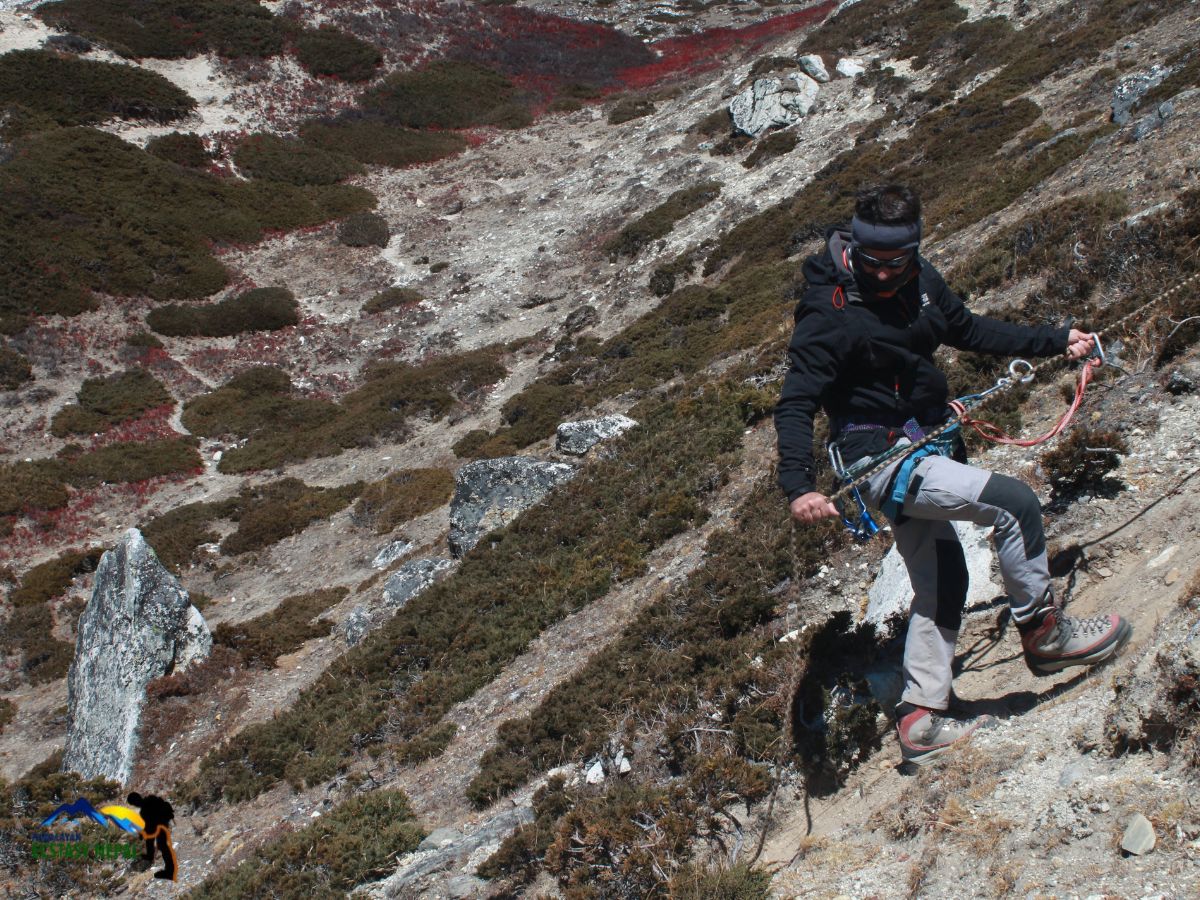
- Experienced Guide Requirement: A licensed climbing guide is assigned to every team, and on-mountain training in crampon and fixed rope technique is provided at Base Camp before the summit attempt.
- Travel and Rescue Insurance: Comprehensive insurance covering high-altitude evacuation (helicopter rescue) is mandatory, and should specifically cover climbing above 6,000 m.
- Medical Fitness: A recent medical certificate confirming you are fit for high-altitude trekking and climbing.
- Logistics and Documentation: Valid passport, visa, and all required trekking and climbing paperwork.
PEAK CLIMBING HIGHLIGHTS
- Trek the classic Everest Base Camp route through Namche Bazaar, Tengboche, and Dingboche
- Stand at Everest Base Camp (5,364 m) at the foot of the world's highest mountain
- Climb Kala Patthar (5,545 m) for the definitive panorama of Everest, Nuptse, and Lhotse
- Summit Island Peak (6,189 m), one of Nepal's most popular technical trekking peaks
- Receive hands-on crampon, ice axe, and fixed rope training at Island Peak Base Camp
- Cross the Imja Glacier and climb the mountain's signature snow and ice headwall
- Trek through traditional Sherpa villages and Buddhist monasteries, including Tengboche
- Acclimatize gradually with rest days at Namche Bazaar and Dingboche
- Enjoy panoramic summit views of Lhotse, Nuptse, Ama Dablam, Makalu, and Everest itself
- Combine a world-famous trek with a genuine, guided technical summit in a single peak climb
PEAK CLIMBING PLAN
Day 1: Arrival at Chhukung and Climbing Preparation
Upon arriving at Chhukung, you will meet your licensed climbing Sherpa for a detailed introduction and climbing briefing. During this session, your guide explains the complete summit plan, current mountain conditions, expected weather, safety procedures, and the climbing schedule.
This is also the time for a complete inspection of your climbing equipment. Harnesses, crampons, helmets, ascenders, carabiners, mountaineering boots, and other technical equipment are carefully inspected, adjusted, and individually fitted to each climber before leaving for Island Peak Base Camp.
If any equipment is missing or unsuitable, additional rental gear can be arranged in Chhukung before the climb begins.
Day 2: Basic Climbing Training and Trek to Island Peak Base Camp
Before attempting the summit, every climber receives practical climbing instruction under the supervision of a licensed climbing guide. The training focuses on building confidence with the equipment and preparing for summit day.
Training includes:
- Walking with mountaineering boots
- Proper crampon techniques
- Ice axe handling
- Walking on snow and mixed terrain
- Fixed rope ascending using a Jumar
- Safe descending techniques
- Rope safety procedures
- Basic glacier movement
After completing the training session, the team gradually ascends to Island Peak Base Camp, where the support crew prepares the campsite. Dinner is followed by a final summit briefing before an early night's rest.
Day 3: Summit Day
Summit day begins very early in the morning, usually after a light breakfast with tea or coffee. Before leaving camp, climbers make a final equipment check to ensure they have everything required for the climb.
Essential items include:
- Headlamp with spare batteries
- Water bottle
- Packed lunch
- Energy bars
- Chocolate
- Sunglasses
- Warm gloves
- Personal medications
The route crosses the glacier before reaching the crampon point, where the team prepares for the technical section.
Under the close supervision of the climbing Sherpa, climbers ascend the fixed ropes on the headwall before reaching the narrow summit ridge and finally the summit of Island Peak. After enjoying the spectacular Himalayan views, the team descends safely back through Base Camp before returning to Chhukung.
IMPORTANT: Essential High-Altitude Gear and Safety Notice
For a successful Island Peak Climb, having the right technical climbing equipment is essential. These items play a critical role in safety, comfort, and overall performance on the mountain.
- Insulated Trekking and Climbing Boots: Sturdy waterproof boots for the approach, plus insulated mountaineering boots compatible with crampons for summit day.
- Sleeping Bag (-20°C or below): A four-season sleeping bag is essential for warmth at Base Camp and the higher teahouses.
- Gloves: Insulated gloves plus a thinner liner pair for dexterity on the fixed ropes.
- Helmet: A certified climbing helmet is mandatory on the headwall, since falling ice from climbers above is a genuine risk.
- Harness, Crampons, Ice Axe, and Ascender (Jumar): Island Peak's summit day is a fully technical glacier and fixed rope climb, and climbers must be comfortable using this equipment, with guided instruction provided at Base Camp.
- Supplemental Oxygen: Not required at 6,189 m. Island Peak sits well below the altitude threshold where supplemental oxygen becomes necessary.
Proper preparation, a willingness to learn the technical basics quickly, and reliable equipment are key factors in ensuring a safe and successful summit.
18-Day Island Peak Climb: What to Expect?
Island Peak (6,189 m) sits apart from the giants that surround it, Lhotse, Nuptse, and Ama Dablam all rise higher and sharper nearby, yet Island Peak has become the single most climbed summitabove 6,000 metres in the Khumbu.
The name comes from Eric Shipton's 1952 British reconnaissance team, who looked east from Dingboche and thought the mountain looked like an island rising from a sea of ice. The Nepal Mountaineering Association renamed it Imja Tse in 1983, though the original name has never gone out of use.
Although it lacks the sharp technical reputation of a peak like Ama Dablam, Island Peak is widely regarded as the most accessible fully glaciated summit in Nepal because it brings together a real fixed-rope headwall, genuine crevassed glacier travel, and a summit above 6,000 metres, all within reach of a strong trekker with no prior climbing background!
Our Island Peak Climbing with Everest Base Camp Trek follows the classic route to Base Camp before extending south into the Chhukung valley, combining experienced Sherpa guides, on-mountain technical training, and full logistical support from Kathmandu to the summit and back.
Designed for trekkers looking to take their first real step into mountaineering, this peak climbing offers not only a genuine 6,000 metre summit but also the complete Everest Base Camp experience along the way.
Peak Climbing Packages: Choose What Works Best For You!
Solo climbers are welcome on all three options below. HEN handles all permit applications and liaison requirements regardless of which package you choose.
Option A: Full Board Peak Climbing
This is the complete HEN service from the moment you land in Kathmandu to the moment you depart.
All airport transfers, hotel accommodation in Kathmandu, the full Everest Base Camp trek with teahouse stays and meals, Island Peak Base Camp setup, licensed climbing guide, Sherpa support, all permits, fixed ropes, crampons, harnesses, and helmets, first aid kit, and emergency evacuation coordination are included.
You bring your personal clothing and daypack. We handle everything else!
Option B: Company Service (Budget Peak Climb)
HEN provides the Everest Base Camp trekking guide, Island Peak climbing guide, Base Camp support, technical climbing equipment, and all permits.
Kathmandu hotel and international flights are arranged independently by the climber.
This option suits experienced trekkers who prefer to manage their own Kathmandu logistics but want full professional support on the trail and the mountain.
Option C: Permit and Join Service
For self-sufficient climbers who have their own guide arrangements and equipment, HEN provides the Island Peak Climbing Permit, Sagarmatha National Park Permit, and Khumbu Pasang Lhamu Rural Municipality Permit, along with the official registration framework required by Nepali authorities.
Why Island Peak Is Nepal's Most Popular Training Peak?
Nepal has more than 30 officially designated trekking peaks, yet Island Peak accounts for a disproportionate share of all trekking peak permits issued each year.
Part of the reason is location, it sits directly off the Everest Base Camp trail, so climbers can add a genuine technical summit to a trek they were already planning to do, rather than organizing a separate peak climbing entirely.
The other part is the nature of the climb itself. Mera Peak, Nepal's other major beginner-friendly trekking peak, actually stands higher at 6,476 m, but its ascent is largely a long, uncomplicated snow plod with limited technical exposure.
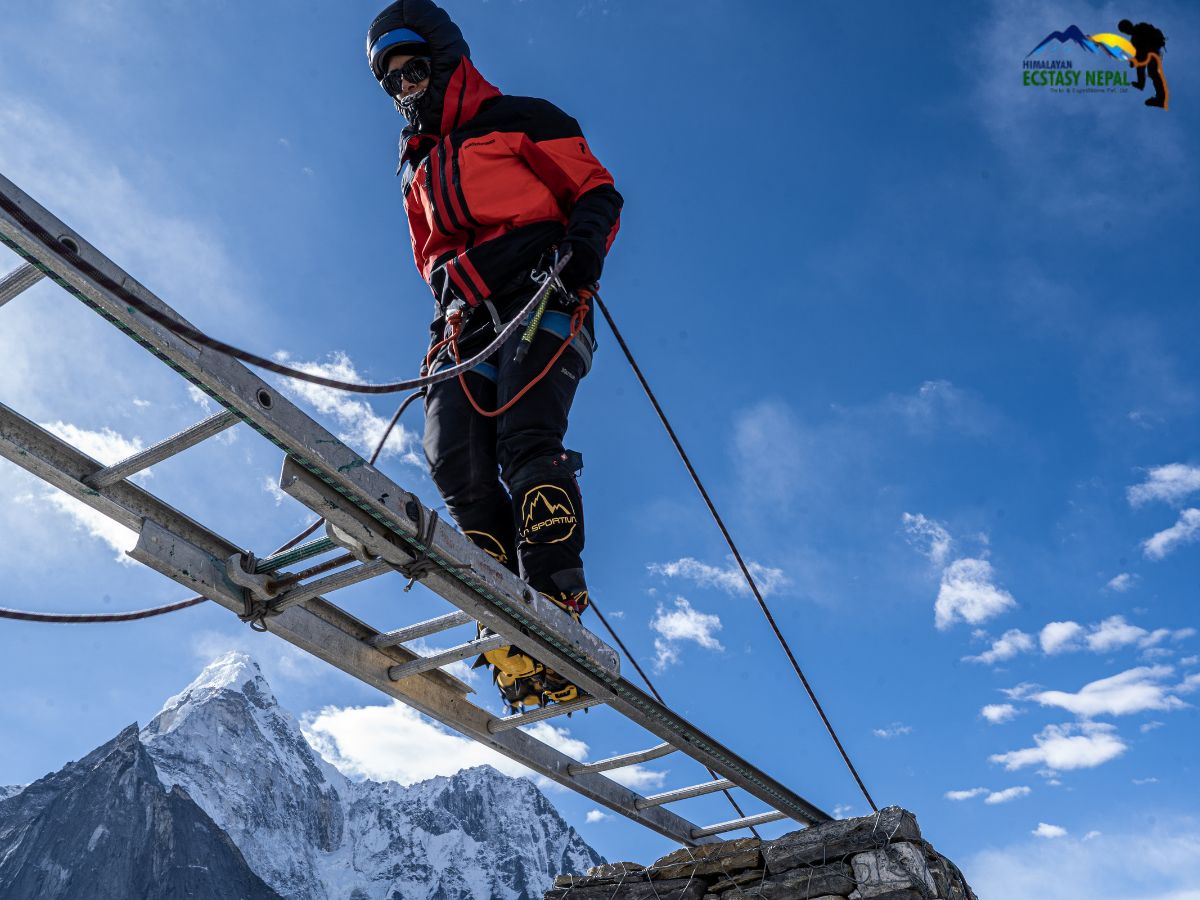
Island Peak's summit day includes genuine crevassed glacier travel and a proper fixed-rope headwall reaching 45 to 60 degrees, giving climbers real hands-on exposure to the same skills used on much bigger mountains: an ice axe, crampons, an ascender, and fixed rope technique, all under close guide supervision.
That combination, real technical content paired with a manageable altitude and a built-in training day at Base Camp, is why so many climbers use Island Peak as their first step before attempting a peak like Ama Dablam, Baruntse, or eventually an 8,000 metre objective.
Technical Difficulty and Experience Required
Island Peak is graded Alpine PD+ (Peu Difficile Plus), a genuine step up from an ordinary trek but well within reach of a fit trekker with no prior climbing background.
Climbers need to be comfortable moving on crampons across glacier terrain and ascending fixed ropes on the headwall, though full instruction in both is provided at Base Camp before the summit attempt.
The route includes crevassed glacier travel roped together, a snow and ice headwall of roughly 100 to 150 metres fixed with rope at angles up to 45 to 60 degrees, and a narrow final ridge to the summit itself.
This peak climbing suits trekkers who have already spent time above 4,000 or 5,000 metres and are comfortable with long trekking days.
No prior technical climbing qualification is required, though a basic understanding of crampon movement and self-arrest technique, even from online tutorials, gives climbers a head start once the Base Camp training session begins.
Optional Climbing Clinic Before Your Summit
Some climbers prefer additional technical preparation before attempting Island Peak. For those seeking greater confidence on snow and ice, Himalayan Ecstasy Nepal offers an optional three to four-day climbing clinic before the summit attempt.
The training focuses on developing practical mountaineering skills, including:
- Snow walking techniques
- Crampon movement
- Ice axe techniques
- Fixed rope systems
- Glacier travel
- Rope management
- Basic climbing safety
- Practical climbing movement on snow and ice
This optional program requires additional time and cost, but it helps climbers build the confidence, technical knowledge, and practical skills needed to move more independently on snow and fixed ropes under professional supervision. It also provides an excellent foundation for future Himalayan climbing objectives.
Professional Mountaineering Training
For climbers planning to pursue more advanced Himalayan objectives, Himalayan Ecstasy Nepal can arrange professional mountaineering courses led by internationally licensed climbing instructors.
Training programs include:
- Basic Mountaineering Training
- Advanced Mountaineering Training
- Rock Climbing Level 1
- Snow and Ice Climbing
- Other specialized climbing courses
These programs are available upon request and can be arranged before or after your Island Peak climb.
The Summit Route and Headwall
Summit day begins in the early hours of the morning from Base Camp, crossing moraine and then stepping onto the Imja Glacier itself. From there, the route climbs steadily across a broad, open snow plain before reaching the base of the headwall.
Before the headwall, the team pauses at what guides call the crampon point, a ledge around 5,500 to 5,800 m where crampons go on and the group ropes together for the glacier crossing that follows.
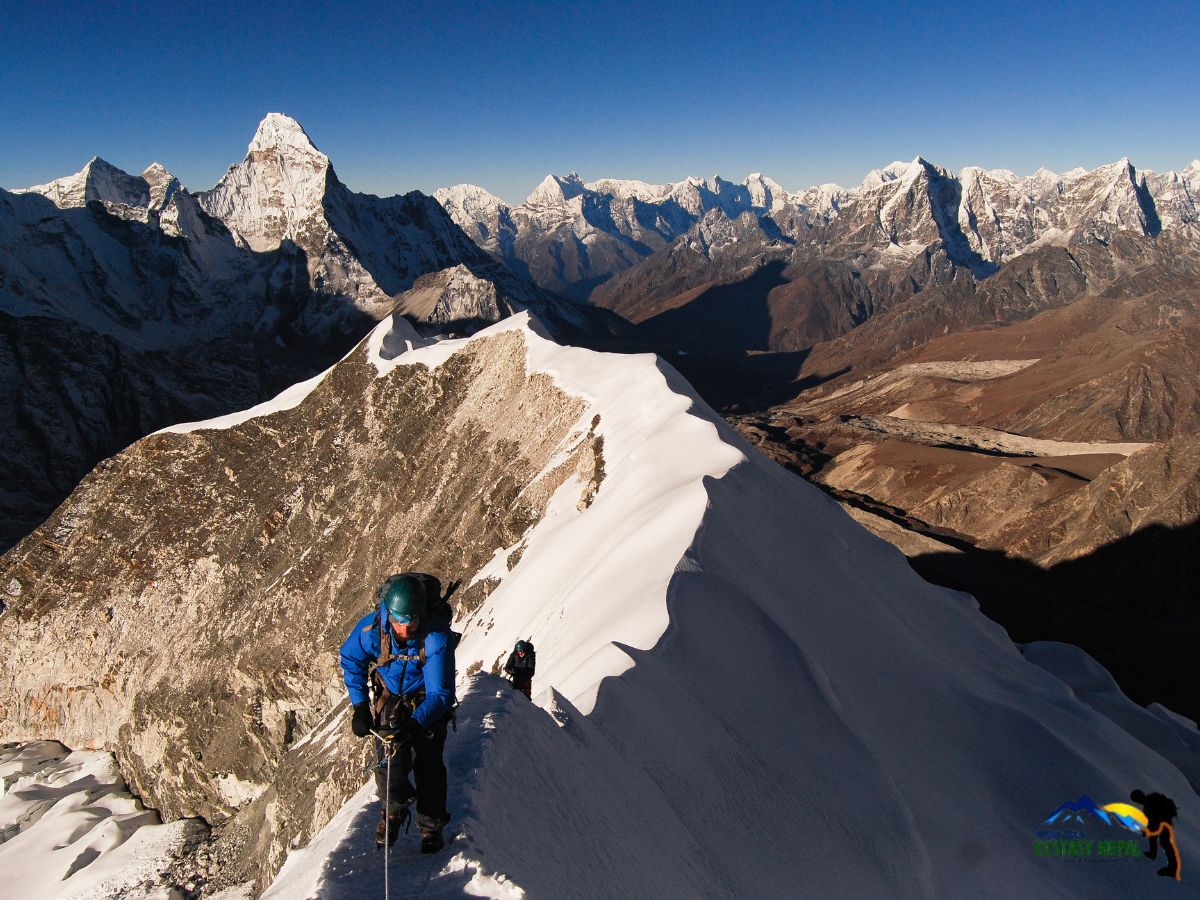
The headwall itself is the defining feature of Island Peak, a snow and ice wall fixed with rope for its full length, typically 100 to 150 metres depending on seasonal snow cover, rising at angles up to 45 to 60 degrees.
Climbers ascend this section one at a time using an ascender, with the guide team managing rope traffic carefully given how exposed the terrain is to falling ice from above.
Above the headwall, a narrow final ridge, sometimes only a metre or two wide with drops on both sides, leads to the small summit. From here, climbers are rewarded with close-range views of Lhotse's south face, Nuptse, Makalu, Ama Dablam, and the upper reaches of Everest itself.
Journey Through the Khumbu: The Everest Base Camp Trek
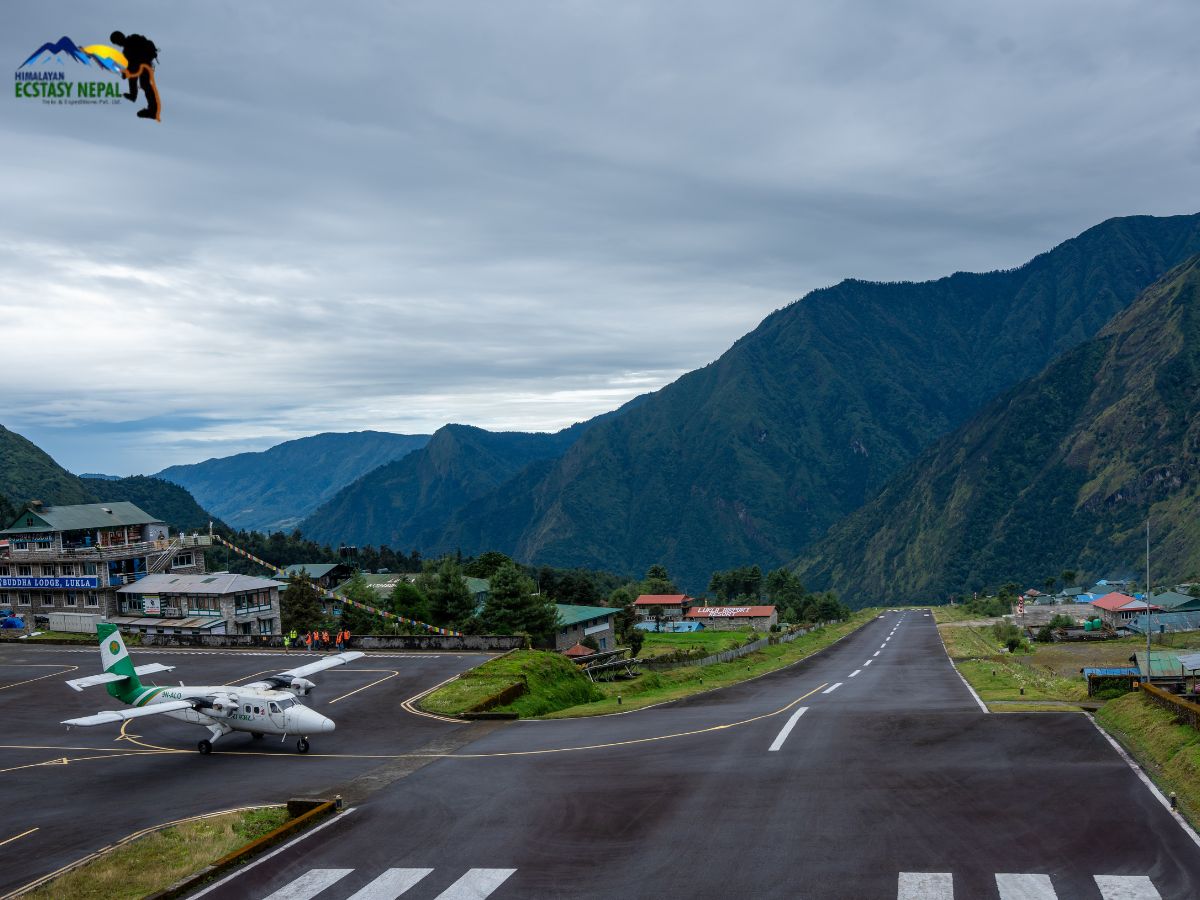
The trek begins with a flight to Lukla (2,860 m), often routed through Manthali airport in Ramechhap during the busier trekking seasons when Kathmandu's domestic terminal reaches capacity.
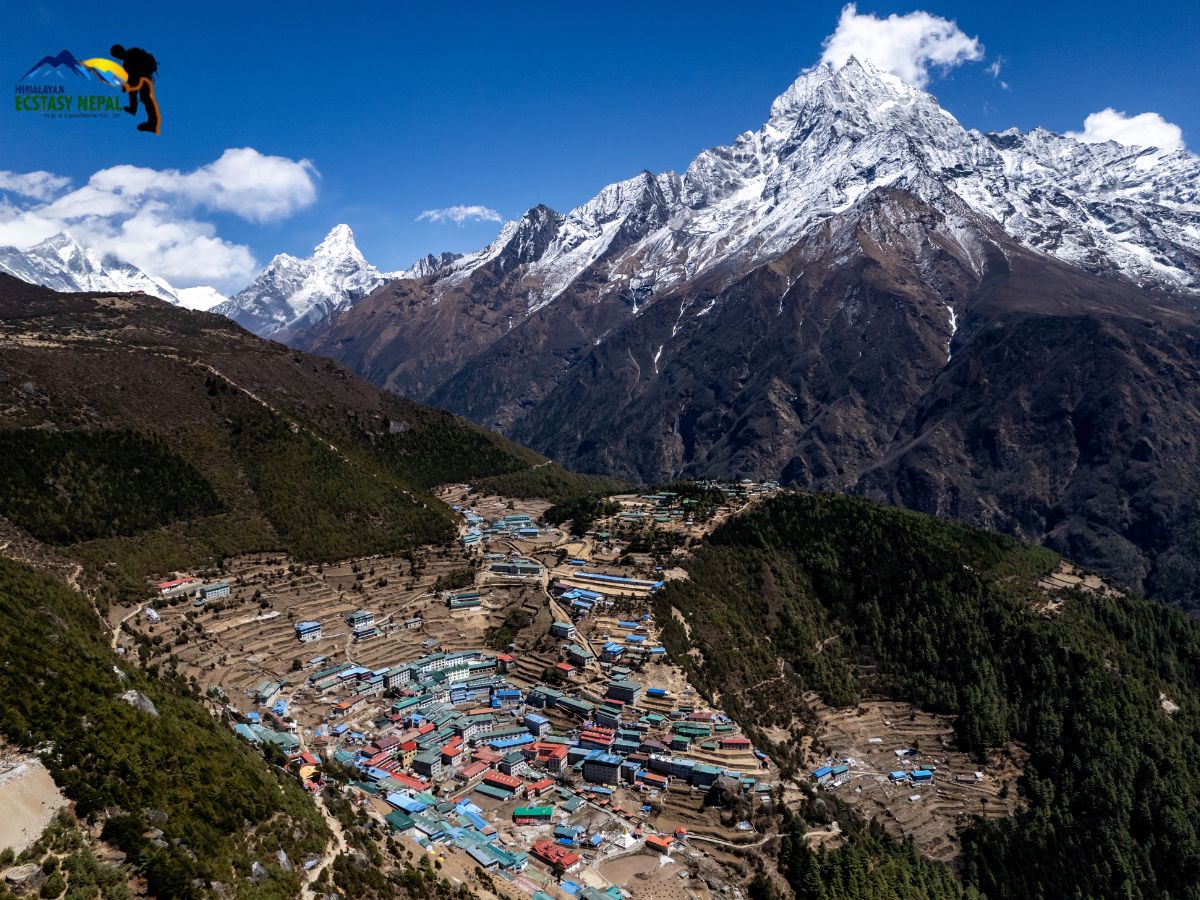
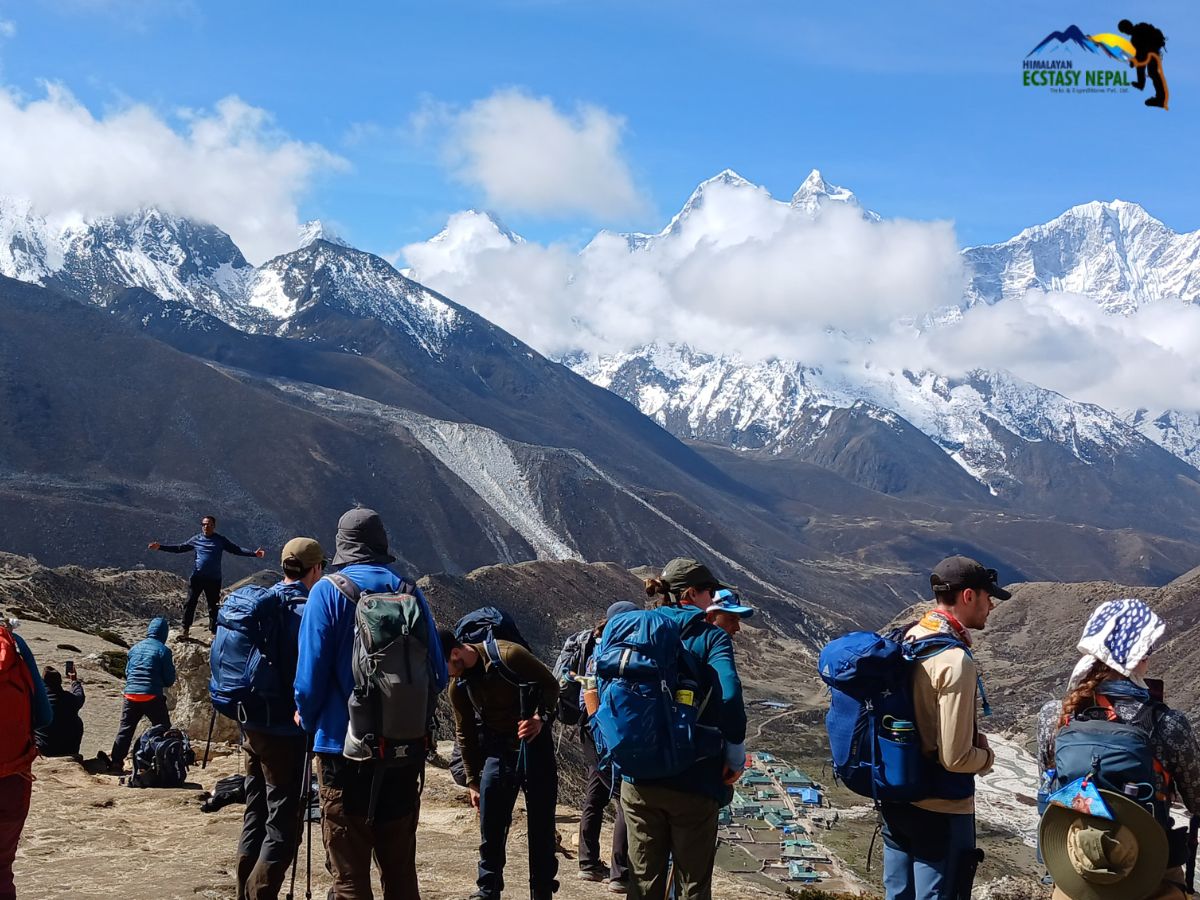
From Lukla, the trail follows the Dudh Koshi River through small settlements like Chaurikharka and Phakding, entering Sagarmatha National Park at the Monjo checkpoint, before reaching Namche Bazaar (3,440 m), the commercial and cultural hub of the Khumbu region.
After acclimatizing at Namche, with a side trip up to Khumjung, the route continues past Tengboche Monastery (3,860 m), the spiritual centre of the Everest region, before climbing steadily through Pangboche and Dingboche (4,410 m) and on to Lobuche (4,940 m), passing the memorial cairns at Thukla built for climbers who lost their lives on Everest.
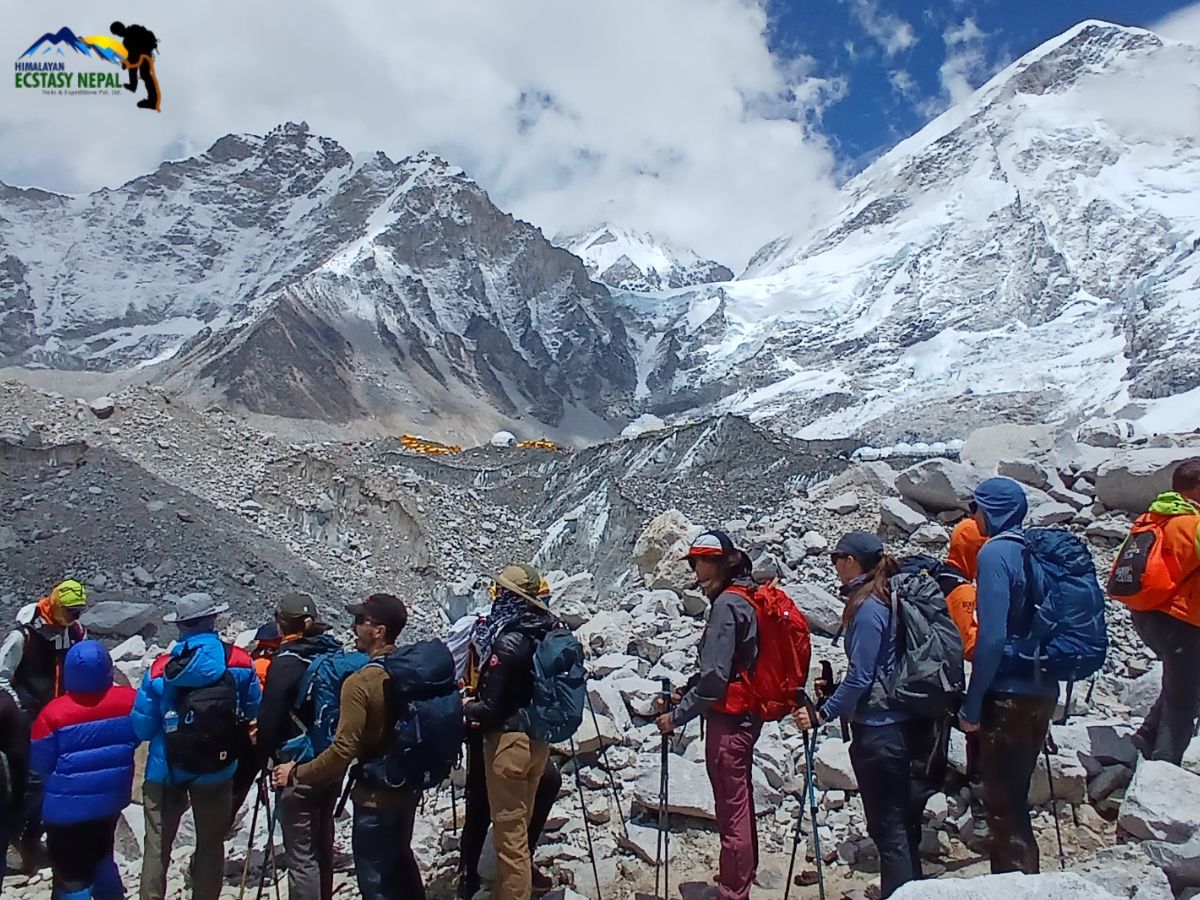
From Lobuche, the trail crosses moraine alongside the Khumbu Glacier to Gorak Shep (5,164 m), from where climbers make the short but demanding walk to Everest Base Camp (5,364 m) itself, standing at the foot of the Khumbu Icefall beneath the world's highest mountain.
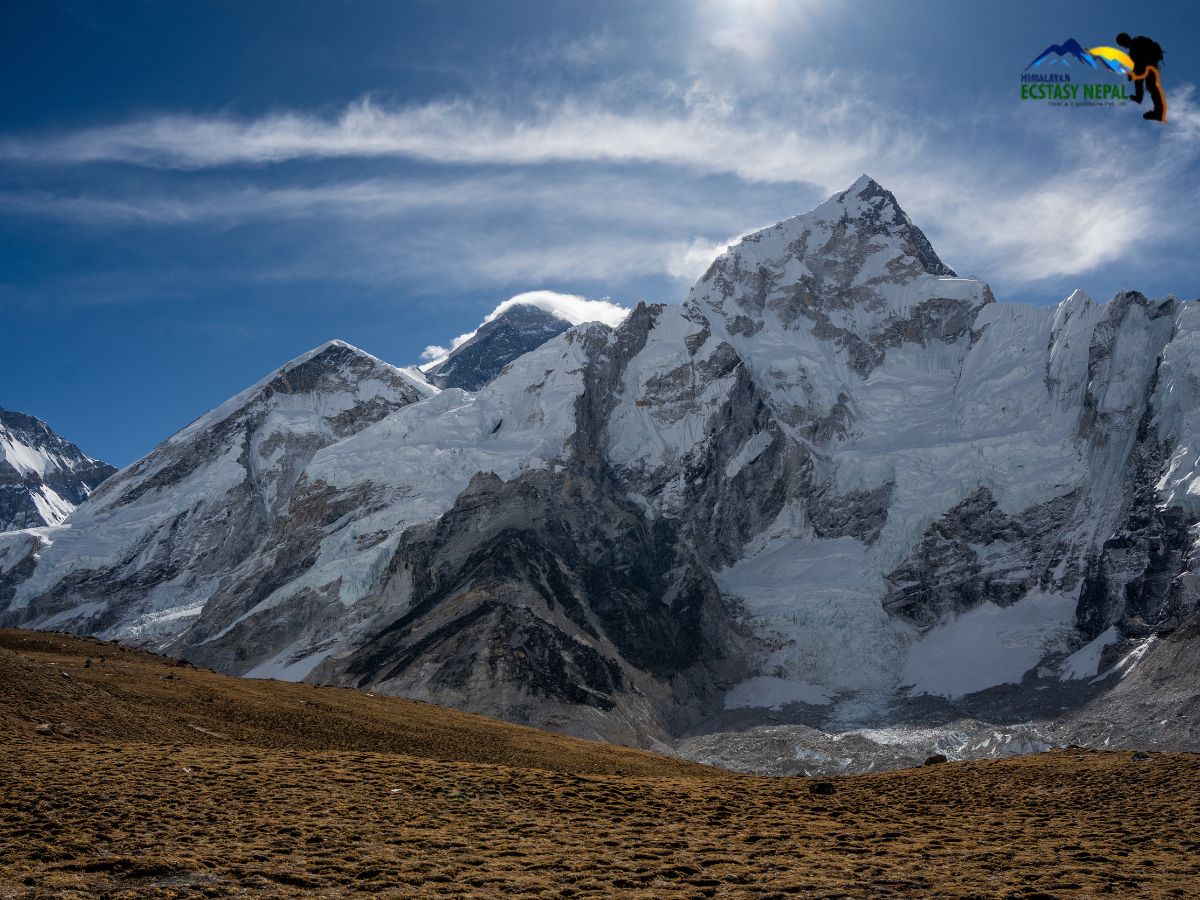
The following morning's pre-dawn climb to Kala Patthar (5,545 m) delivers the trip's defining panorama, a sweeping view that takes in Everest, Lhotse, Nuptse, and Pumori, along with more distant peaks like Cholatse, Taboche, and Kongde Ri further down the valley.
From Dingboche, the trail then turns east into the Imja valley toward Chhukung, and the Island Peak phase of the peak climb begins.
Life at Island Peak Base Camp
Island Peak Base Camp sits at around 5,100 metres near Pareshaya Gyab, tucked between the Imja and Lhotse glaciers.
Unlike the teahouse accommodation used throughout the Everest Base Camp trek, this stage of the peak climb is tented, with the HEN support crew managing a proper camp kitchen and dining setup for the one or two nights spent here.
The defining feature of time at Base Camp is the technical training session, where the climbing guide walks each member of the team through the specific skills the headwall demands, clipping and moving a safety line along fixed rope, using an ascender to climb steep snow and ice, rappelling with a figure-8 or ATC device for the descent, and the particular footwork crampons require on mixed rock and ice.
For climbers with no prior technical background, this session is what turns Island Peak from an intimidating name into an achievable objective.
Optional High Camp Summit Strategy
For climbers with strong physical fitness, previous high-altitude experience, and excellent acclimatization, Himalayan Ecstasy Nepal can arrange an optional High Camp before the summit push.
Establishing High Camp shortens summit day considerably because the technical climbing section and crampon point are much closer. This allows climbers to reach the glacier earlier and reduces the overall climbing distance during summit day.
However, staying at High Camp is recommended only for properly acclimatized climbers. Additional camping equipment, staff support, meals, and logistics are required, so this option involves an additional cost.
Our climbing team can recommend whether the High Camp option is suitable based on your fitness level, acclimatization, weather conditions, and overall climbing schedule.
The Role of Acclimatization
Acclimatization on this peak climb happens largely as a byproduct of the Everest Base Camp trek itself.
Rest days at Namche Bazaar, with the hike up to Khumjung, and at Dingboche, with the climb to Nangkartshang, both serve the same purpose, gaining altitude during the day before sleeping lower, the same principle that governs acclimatization on any Himalayan expedition.
By the time climbers reach Everest Base Camp and Kala Patthar above 5,300 metres, the body has already had substantial exposure to altitude, which is one of the reasons this particular combination of trek and climb works so well.
Climbers arrive at Chhukung and Island Peak Base Camp already reasonably acclimatized, rather than needing a separate rotation strategy the way a longer peak climb would.
Summit Day: The Biggest Highlight
Summit day starts in the early hours of the morning from Base Camp, crossing the glacier in the dark before reaching the headwall as the first light appears.
The climb up the fixed ropes demands steady effort and confident movement, but the guide team manages the pace carefully, since this is often a climber's first real exposure to fixed rope ascending at altitude.
The final ridge to the summit is narrow and exposed, and on a clear morning the reward is a close-range view of Lhotse, Nuptse, Makalu, and Ama Dablam that few climbers experience at any technical level.
The descent retraces the same route back down the headwall and across the glacier to Base Camp, before the team treks back down to Chhukung the same day.
Your Climbing Guide: More Than Just a Leader
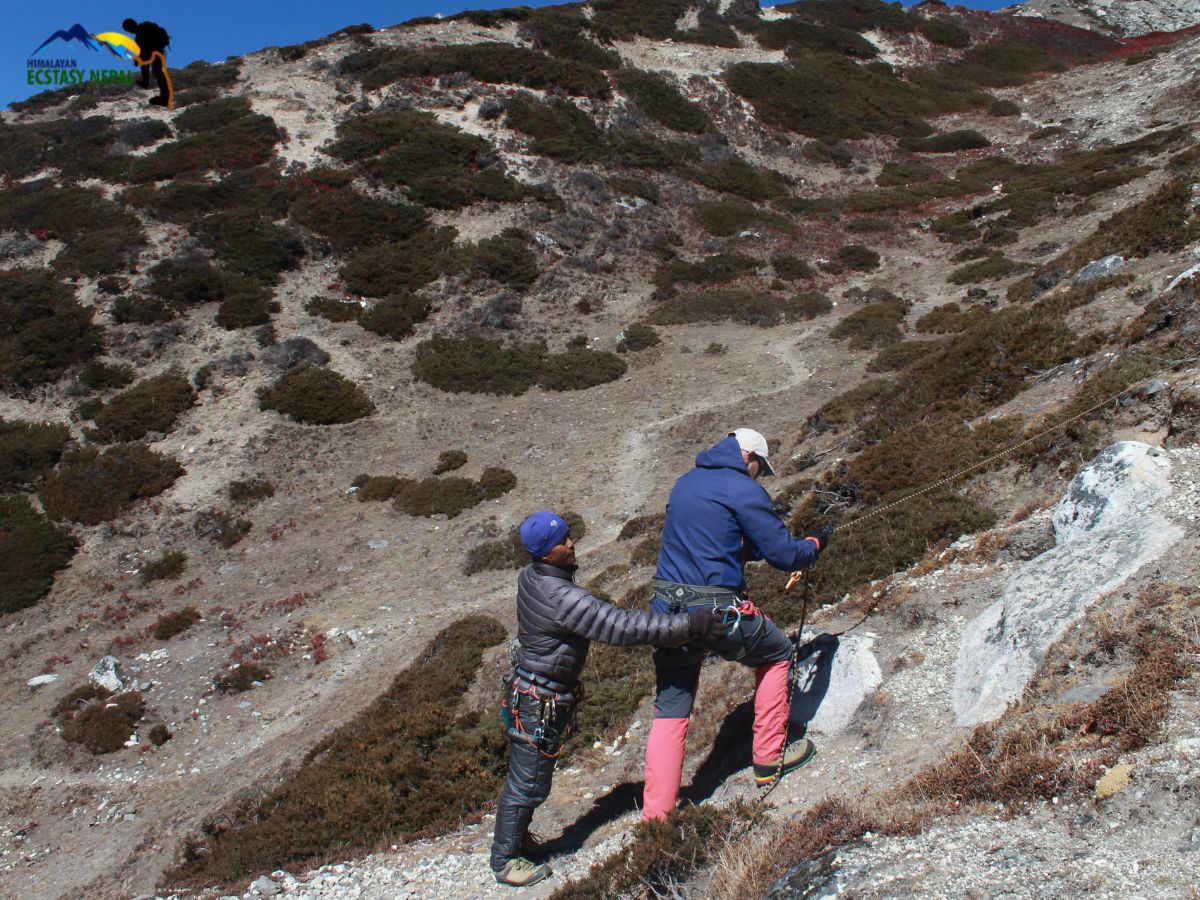
Every HEN climbing guide on this peak climbing holds a valid license and multiple Island Peak summits behind them.
Their role extends well beyond leading the trek, they run the Base Camp training session personally, manage rope traffic on the headwall, and make the final call on whether conditions allow a summit attempt to proceed.
Tipping your guide and trekking crew at the end of the peak climb is a valued tradition in the Khumbu, and our team will share suggested amounts on arrival in Kathmandu itself.
Why Climb Island Peak with Himalayan Ecstasy Nepal?
Our Island Peak Climb is built on experienced leadership, solid trekking logistics, and hands-on technical training that properly prepares climbers for the summit rather than simply guiding them up it.
Every peak climb is supported by licensed guides who know both the Everest Base Camp trail and the technical demands of the Island Peak headwall.
From permits and Lukla flights to Base Camp training and summit day support, our team takes care of every detail so climbers can focus on the trek and the climb itself.
With years of experience in the Everest region, our team at Himalayan Ecstasy Nepal brings the expertise and local knowledge needed to make a first Himalayan summit both achievable and truly rewarding.
Why a Flexible Schedule Helps?
This 18-day itinerary runs on a fairly tight schedule without a dedicated contingency day built in, since Island Peak's summit window is generally more forgiving than an 8,000 metre expedition.
That said, Himalayan weather can still delay a Lukla flight or a summit attempt by a day. Climbers with a completely fixed return flight are encouraged to speak with our team about adding one extra day to the itinerary as a buffer, particularly around the Lukla flight and the Island Peak summit attempt itself.
Additional Climbing Options
If you have additional time in Nepal, Himalayan Ecstasy Nepal can customize your climbing itinerary with extra acclimatization days, High Camp support, advanced climbing clinics, or combination peak climbs.
Many climbers combine Island Peak with Lobuche East or other trekking peaks to gain more technical climbing experience. Please inform us before booking so we can arrange permits, equipment, climbing guides, accommodation, and logistics smoothly throughout your journey.