Our site is in soft launch as we enhance features and update content.

Lower Dolpo Trek: Phoksundo to Rara Lake via Kagmara La Pass

15 Reviews in TripAdvisor
36 Reviews in Google

The Phoksundo to Rara Lake Trek via Kagmara La Pass connects Nepal's deepest lake to its largest across three isolated districts, Dolpo, Jumla, and Mugu (Latitude: 29°21′N, Longitude: 82°50′E). Over 18 days, you cross Kagmara La at 5,115 m, sleep one night in rock shelters near Kagmara Phedi, walk through Bon villages with no road access, and reach Rara Lake what locals call the queen of all Nepali lakes. This is not a comfort trek. It is raw, remote, and genuinely rewarding for those willing to prepare for it. Himalayan Ecstasy Nepal has walked this route and handles all permits, camping logistics, and flight coordination, so your only job is to keep moving forward.

Grade: Strenuous

Trip Overview
Duration18 Days
Trip GradeStrenuous
Maximum Altitude5,115 m (Kagmara La Pass)
Group Size1–12 pax
StartsKathmandu
EndsKathmandu
ActivitiesTrekking, Camping, Cultural Exploration
Best TimeApril–May, October–November

TREK HIGHLIGHTS

  • Scenic mountain flight into Juphal (2,475 m), gateway to Lower Dolpo, followed by entry into Shey Phoksundo National Park.
  • Phoksundo Lake (3,612 m), Nepal's second deepest lake, with its electric turquoise colour and traditional Bon village of Ringmo on its southern shore.
  • The 900-year-old Thasung Tsholing Gompa and the 167 m Suligad/Phoksundo Waterfall, one of Nepal's tallest.
  • Kagmara La Pass (5,115 m) is the route's highest and most challenging point with sweeping views of the Kanjiroba Himalayan range.
  • Jumla (2,300 m), cultural heartland of Karnali, is famous for apple orchards, Jumli chamal red rice, and the historic Sinja Valley civilization.
  • Rara Lake (2,980 m), Nepal's largest lake, is set in pristine Rara National Park in Mugu district.
  • Fly out from Talcha Airport (2,752 m) back to Nepalgunj and Kathmandu.

18-Day Lower Dolpo Trek: What to Expect?

The Phoksundo to Rara Lake Trek does not appear on mainstream trekking lists, and that is exactly what makes it worth doing. This 18-day journey spans three districts, crosses two high passes, and links two of Nepal's most extraordinary lakes across roughly 170 km on foot.

You begin with a flight into Juphal in Lower Dolpo and end with a flight out of Talcha near Rara Lake. Between those two airstrips, the terrain shifts from river gorges and forest near Chhepka all the way to the pine-ringed silence of Rara.

The communities along the way are among the most culturally intact in Nepal's far west!

Why Lower Dolpo Trek With Himalayan Ecstasy?

  • We have walked this route ourselves and know every checkpoint, shelter, and weather pattern on the trail.
  • We handle all permits so that you you carry no paperwork stress.
  • Our team manages full camping logistics at Kagmara Phedi, the only night without a lodge on the entire route.
  • We coordinate all domestic flights through Juphal and Talcha, and we build buffer days into every schedule for weather delays.
  • We keep group sizes small so the wilderness experience stays genuine from the first day to the last.

Main Attractions of Lower Dolpo Trek

This trek keeps changing on you. It’s not built around one highlight, but a series of moments that build as you go, from remote villages and high passes to lakes that don’t look real!

Just when you think you’ve seen the best part, the trail shifts again. These are the sections trekkers remember most when they come back:

Phoksundo Lake: The Colour You Won't Believe Is Real
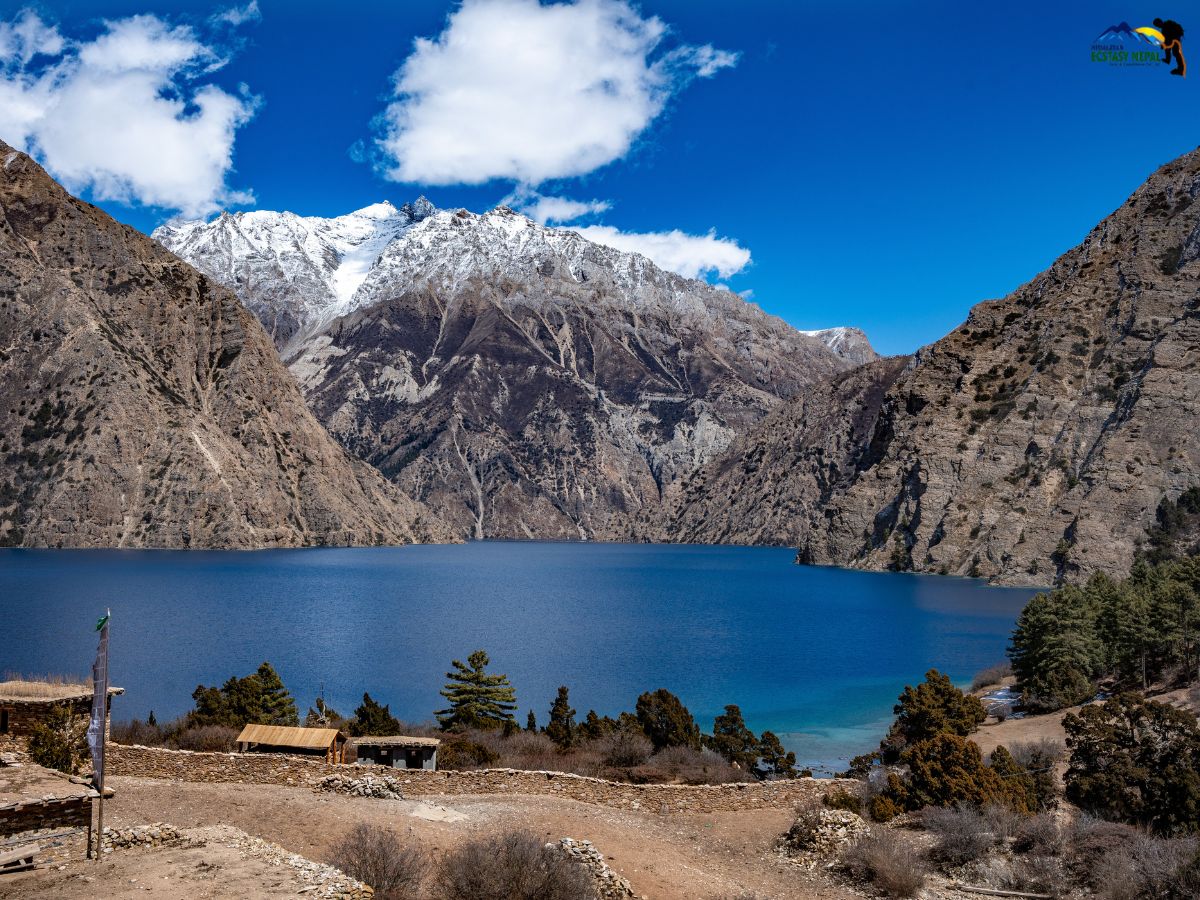
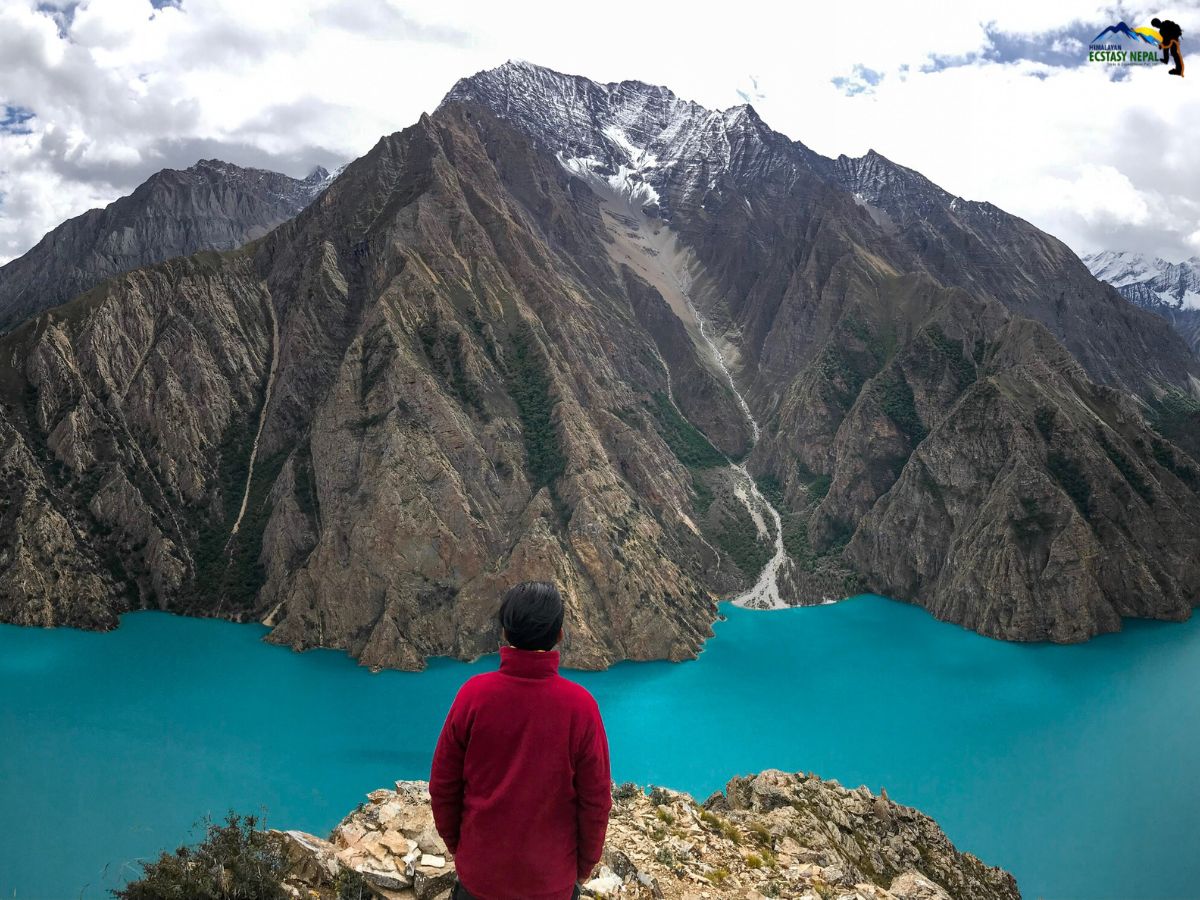
Phoksundo Lake at 3,612 m is Nepal's second-deepest lake (145 meters). Its electric turquoise colour comes from its oligotrophic nature, with very low aquiatic life, which keeps the water extraordinarily clear.

The Bon village of Ringmo sits on the southern bank, and Thasung Tsholing Gompa on the eastern shore is a working monastery over 900 years old. Our team has stood at this shoreline many times, and it still surprises us.

Kagmara La: The Trek's Defining Moment

Kagmara La at 5,115 m is wide, long, and genuinely demanding. You leave Pungmo before dawn and climb through moraines before the pass opens up with prayer flags and views of the Kanjiroba range.

The descent is steep on loose scree. At the bottom, two rock shelters at Kagmara Phedi are your overnight stop  no lodge, no menu, just a fire and the river. Trekkers regularly tell us this was the most memorable night of the entire trip.

Jumla: More Interesting Than You Expect

Jumla at around 2,300 m carries real historical weight. The nearby Sinja Valley was the winter capital of the Malla Empire from the 12th to 14th centuries and is considered the birthplace of the Nepali language.

The town has apple orchards and Jumli chamal (a red rice variety grown at the highest altitude of any rice variety in the world).

Stock up on food, cash, and batteries when you're here.There is almost nothing between Jumla and Rara!

Rara Lake: Nepal's Largest and Its Calmest
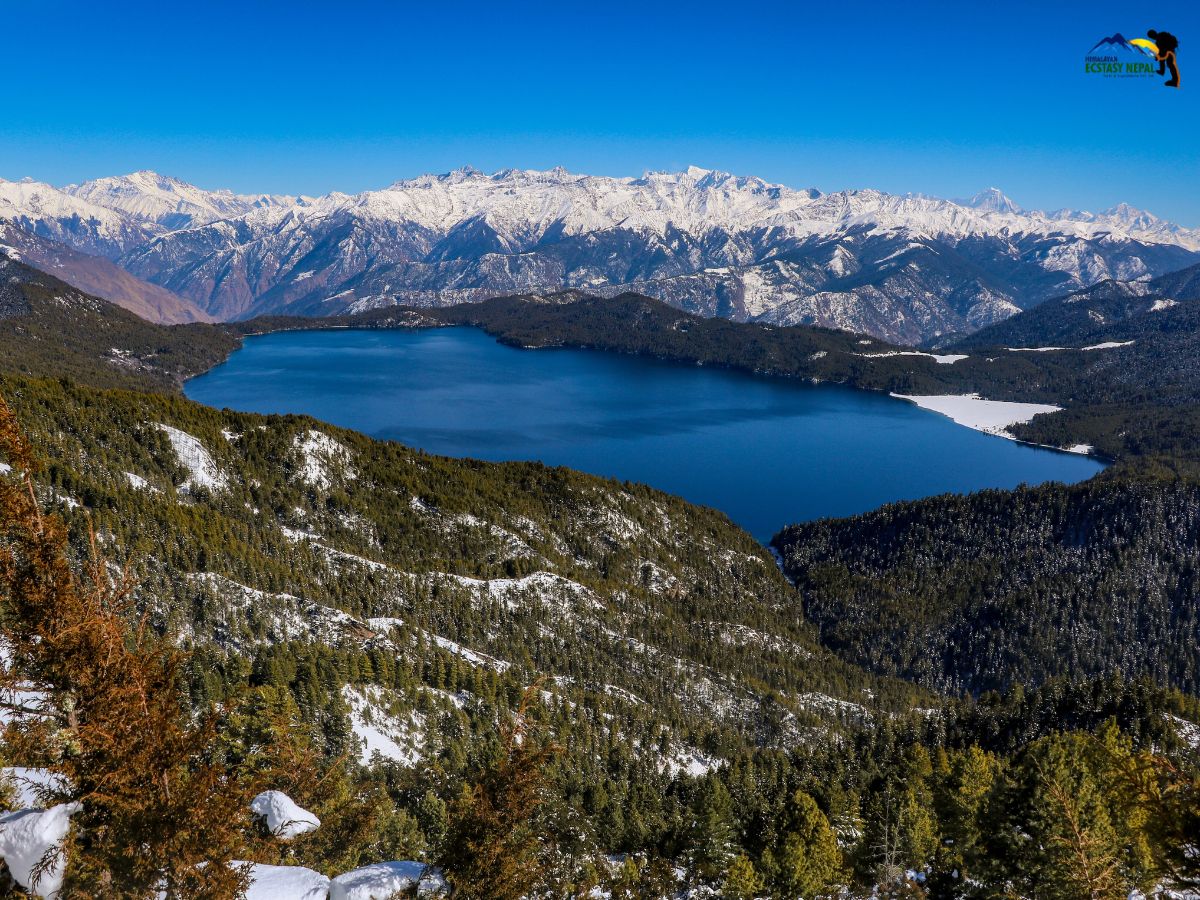
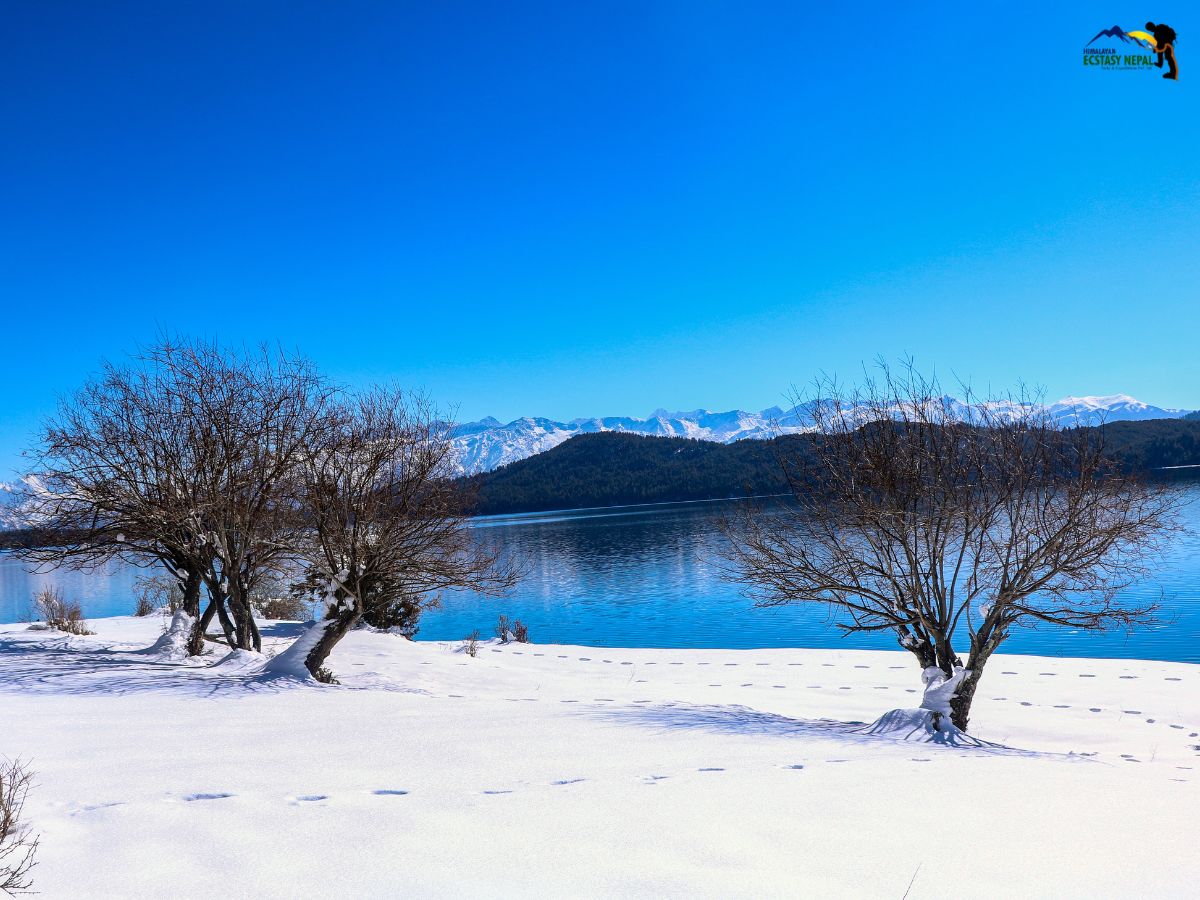
Rara at 2,980 m is the largest and deepest lake of Nepal that sits inside Rara National Park in the Mugu district. After two weeks of rugged trekking, arriving here feels like reaching a place outside of time. Pine, juniper, and spruce forests ring the shore.

The water reflects whatever the sky is doing above it. Very few trekkers reach Rara this way, and the place feels yours entirely. Cold mornings and evenings mean your down jacket stays on!

Bonpo Culture: A Living Tradition

The Bon villages of Ringmo and Pungmo carry a spiritual tradition that predates Buddhism in this region.

Walking through these settlements, you notice the difference immediately: the direction of prayer wheels, the structure of the gompas, and the rituals woven into daily life. It is one of the most genuine cultural encounters available on any trekking route in Nepal.

Phoksundo or Suligad Waterfall Near Ringmo Village

The 167 m Suligad/Phoksundo Waterfall greets you on the trail approach to Phoksundo Lake and is one of Nepal's tallest. It is one of those moments on the Dolpo trail that stops you completely, mid-step!

Continue reading this package until the end and book HEN's 18-day Lower Dolpo Trek once you're fully satisifed!
Lower Dolpo Trek: Phoksundo to Rara Lake via Kagmara La Pass Itinerary

Kathmandu to KathmanduExpand all

Our HEN team meets you at Tribhuvan International Airport and transfers you to your Thamel hotel. The evening is for rest, a welcome dinner, and a short briefing. Thamel has everything for any last-minute gear needs

Max Altitude: 1,335m Meals: DinnerAccommodation: 3-star hotelTransportation: Private vehicle

Our team handles the permits in the background while your day is free. You can visit Pashupatinath Temple, Boudhanath Stupa, Kathmandu Durbar Square, and Swayambhunath Stupa.

Sort any pharmacy runs or power bank purchases today. Your guide walks through the itinerary, passes, and flight logistics in the evening!

Max Altitude: 1,335 m Meals: BreakfastAccommodation: 3-Star Hotel

The one-hour flight brings a complete environment shift from Kathmandu's cool altitude to Terai heat near the Nepal-India border.

Nepalgunj is hot, humid, and flat. Mosquitoes are active here, so use repellent and use mosquito protection; consult a doctor if you are concerned.

Keep a buffer mindset, as domestic connections through Nepalgunj frequently delay due to weather!

Max Altitude: 150 m Meals: Breakfast, Lunch, DinnerAccommodation: Local HotelTransportation: Scheduled Flight

The 30 to 40-minute flight into Juphal on a small STOL aircraft is scenic and memorable!

Juphal is a basic airstrip with nothing fancy around it. Trekking begins immediately, descending along forest trails through Dunai and entering Shey Phoksundo National Park territory toward Chhepka. Altitude gains sharply from here onward!

Max Altitude: 2,720 m Meals: Breakfast, Lunch, DinnerAccommodation: Local LodgeTransportation: Scheduled mountain flight

The trail follows the Phoksundo Khola upstream through waterfalls, pine and cedar forest, and steep cliffs. The 167 m Phoksundo Waterfall signals that Phoksundo Lake is close.

Ringmo village at 3,641 m is a traditional Bon settlement with yak meadows and a park check-in desk. Nights are cold here. Your sleeping bag matters tonight!

Max Altitude: 3,641 m Meals: Breakfast, Lunch, DinnerAccommodation: Local lodge

This acclimatization day is essential before the demanding days ahead. Explore the lake edge and visit Thasung Tsholing Gompa on the eastern shore.

Walk through Ringmo village in the afternoon. Star visibility at this altitude with no light pollution is exceptional but note that evenings drop below freezing!

Max Altitude: 3,641 m Meals: Breakfast, Lunch, DinnerAccommodation: Local Lodge

You backtrack to Samduwa, cross a bridge, and climb toward Pungmo. This is a less-travelled section with a stronger local character.

Pungmo at 3,500 m is the last village with any food facilities before Kagmara Pass. Eat well and sleep early. Tomorrow is the hardest day of the trek!

Max Altitude: 3,500 m Meals: Breakfast, Lunch, DinnerAccommodation: Local Lodge

You start before dawn. The climb to Kagmara La (5,115 m) takes 5 to 6 hours through rocky moraine with snow possible in most seasons.

The pass is wide and marked with prayer flags. Bring gaiters, poles, and all your layers from Pungmo.

The descent to Kagmara Phedi is steep on loose scree, ending at two rock shelters, your overnight camp with no lodge or menu.

Max Altitude: 3,500 m Meals: Breakfast, Lunch, DinnerAccommodation: Camp

The morning trail follows the Kagmara River on a narrow path to an army camp at the midpoint. After that, the trail opens, and settlements appear.

Kaigaon at 2,610 m has a proper lodge and tea shop, which is a genuine relief after the cave camp. Breathing eases noticeably at this lower altitude!

Max Altitude: 2,610 m Meals: Breakfast, Lunch, DinnerAccommodation: Local Lodge

Maure Langa Pass at 3,894 m marks the Dolpo–Jumla district border.

The trail involves 6 to 7 hours of walking, climbing to a wide viewpoint over the Bheri River valley before descending to Chotra, a quiet village with minimal trekker traffic and a basic tea house.

Max Altitude: 3,380 m Meals: Breakfast, Lunch, DinnerAccommodation: Local Lodge

One more pass crossing before the landscape opens into the Jumla valley. Jumla is the largest town since Juphal.

Apple orchards line the approach to town. Restock food, cash, and batteries here. There is very little between Jumla and Rara.

Max Altitude: 2,540 m Meals: Breakfast, Lunch, DinnerAccommodation: Local Lodge

A gentler day through forests and open valley landscape toward Chautha, passing through historic Sinja Valley territory, considered the birthplace of the Nepali language and former capital of the Malla Empire. Chautha has a basic shelter only!

Max Altitude: 2,800 m Meals: Breakfast, Lunch, DinnerAccommodation: Local Lodge

The approach to Rara is gradual, and then the lake appears. Rara at 2,980 m is Nepal's largest lake, ringed by pine and juniper forest inside Rara National Park.

After two weeks of remote trekking, arriving here feels like reaching a place outside of time!

Max Altitude: 2,980 m Meals: Breakfast, Lunch, DinnerAccommodation: Local Lodge

Walk the lake perimeter, a few comfortable hours with every section showing something different. Wildlife in Rara National Park includes Himalayan black bear, musk deer, and over 200 bird species.

Morning reflections on the water are the best photography of the entire trek. Your down jacket stays accessible all day!

Max Altitude: 2,980 m Meals: Breakfast, Lunch, DinnerAccommodation: Local Lodge

A short 3-hour downhill walk brings you to Talcha Airport at 2,752 m, with one short runway, a few basic lodges, nothing else. Check in early!

Flights here are highly weather-dependent. Our team monitors conditions and communicates the latest before you leave Rara.

Max Altitude: 2,752 m Meals: Breakfast, Lunch, DinnerAccommodation: Local Lodge

The small aircraft carries you back over the ridges and into Terai heat, a buffer day built in for Talcha weather delays.

The contrast from Rara's silence to Nepalgunj's humidity lands hard after 18 days in western Nepal.

Max Altitude: 150 m Meals: Breakfast, Lunch, DinnerAccommodation: Local HotelTransportation: Scheduled mountain flight |

The return flight to Kathmandu takes one hour. This day also serves as a buffer for any Nepalgunj weather delays.

If everything has run on schedule, use the afternoon for a final meal, gear shopping, or rest before international departure.

Max Altitude: 1,335 m Meals: Breakfast, Lunch, DinnerAccommodation: 3-Star HotelTransportation: Scheduled flight

Our HEN team arranges your airport transfer based on your flight time. If you want to extend your Nepal stay, we are happy to help plan what comes next.

We send you off Nepali style, and we genuinely hope to see you back on the trails!

Meals: BreakfastTransportation: Private vehicle

Trip Cost Details

Includes

  • Airport transfers on arrival and departure in a private vehicle
  • 3 hotel nights in Kathmandu (Days 1, 2, and 17)
  • All teahouse nights along the route and camp nights at high camps (Kagmara Phedi)
  • All required permits: Shey Phoksundo National Park Entry Permit, Lower Dolpo Restricted Area Permit, and TIMS Card
  • Licensed English-speaking trekking guide with salary and insurance
  • All meals during trekking days: breakfast, lunch, and dinner
  • Tea and coffee during breakfast and dinner
  • Camping equipment and porter support at high camps
  • All logistical arrangements, including flight coordination, route planning, and safety

Excludes

  • International flights to and from Nepal and Nepal tourist visa fee
  • Personal travel and health insurance covering high-altitude trekking and emergency helicopter evacuation
  • Personal expenses: snacks, drinks, hot showers, Wi-Fi, battery charging, and laundry
  • Personal hiking gear, equipment, clothing, and hygiene items
  • Costs from natural disasters, bad weather, flight cancellations, or anything outside our control
  • Early departure costs, which are non-refundable
  • Tips for guides and porters, not required but always appreciated
  • Any service not listed in the Cost Includes section

Optional Extra Services

  • Additional porter service: USD 280 per porter for two trekkers, carries 20 to 22 kg
  • Private jeep pick-up and drop-off: USD 380 extra
  • Driving an alternative from Dunai to Kaigaon for groups with fewer porters: available on request

Essential Information

Best Time for Lower Dolpo Trek

The ideal months are October and Novemberin autumn and April and May in spring. Autumn brings stable weather, excellent visibility, and comfortable temperatures at all elevations. Spring offers blooming rhododendrons and manageable conditions on Kagmara La.

Avoid the monsoon (June to August), when flights are frequently canceled, trails become dangerous, and passes accumulate snow fast. Winter (December to February) makes Kagmara La extremely difficult or impassable.

Difficulty Level of This Trek

A strenuous route for trekkers with prior high-altitude experience and strong fitness. The highest point is Kagmara La at 5,115 m. Most days involve 5 to 8 hours of walking on remote terrain.

No technical skills are required, but trekking poles are strongly recommended, and microspikes or crampons may be needed in spring or early autumn on the pass.

Permits Required for This Trek

You need the Shey Phoksundo National Park Entry Permit (approximately NPR 3,000 for foreign nationals), the Lower Dolpo Restricted Area Permit (approximately USD 20 per week), and TIMS is not required for Lower Dolpo restricted area treks. 

The far more expensive Upper Dolpo permit is not required here. All permits must go through a registered Nepali trekking agency. Our team processes, carries, and presents all permits at every checkpoint on the trail.

Accommodations and Food in Lower Dolpo

Most accommodation along this route is basic teahouse lodges with twin-sharing rooms. Meals include dal bhat, noodles, and eggs. Do not expect menus. You eat what the lodge has available that day, and that is perfectly sufficient.

At Kagmara Phedi, our team carries tent equipment for one camp night since there is no lodge at this location. Jumla is the last reliable resupply point on the entire route, so sort your cash, snacks, and batteries before leaving.

Mobile coverage is almost nonexistent past Juphal. But you can expect mobile network as you reach Ringmo Village and near Samjhana Hotel (still, weather-dependent).

How to Prepare for Lower Dolpo Trek?

  • Physical Preparation: Train for 6 to 8 hour hiking days with a loaded pack for at least 3 months before departure. Long uphill hikes, stair climbing, and sustained cardio are the most transferable preparation available.
  • Mental Preparedness: Remote trekking with no phone signal, basic food, and one night in a rock shelter tests patience more than fitness. Prepare for that mentally before you leave home.
  • Altitude Sickness and Preventive Measures: Follow the climb high, sleep low principle. Include acclimatization days as built into the itinerary. Inform your guide immediately at any early signs of AMS.
  • Hydration and Nutrition: Target 4 to 6 litres of fluid daily at altitude. Carry electrolytes, protein bars, and chocolates for the high-pass days when lodge food is unavailable.
  • Travel Insurance: Must cover high-altitude trekking above 5,000 m and emergency helicopter evacuation. There are no roads and no hospitals on this route.

Equipment Lists

Proper preparation matters on any Himalayan trek. For the Lower Dolpo Trek, you will cross high alpine passes above 5,000 m, camp in rock shelters with no facilities, and travel for 18 days through remote wilderness far from any reliable medical care. Every trekker must carry the right clothing and gear. Here is what the HEN team recommends

  • Wide-brim sun hat for UV protection during daytime walking at altitude.
  • Warm fleece beanie for cold mornings, evenings, and the Kagmara La crossing.
  • Buff or neck gaiter for wind, dust, and cold at exposed passes.
  • Headlamp with spare batteries, required for the pre-dawn start on Kagmara La crossing day.
  • Sunglasses with UV-400 protection to protect your eyes above 4,000 m.
  • Moisture-wicking base layer shirts (2 to 3 pieces) to keep skin dry on long walking days.
  • Fleece mid-layer jacket for cold evenings and high-altitude sections.
  • Down jacket, essential for Phoksundo, Kagmara Phedi, and Rara evenings.
  • Waterproof and windproof hardshell jacket for rain and wind on exposed passes.
  • Lightweight liner gloves for cool mornings on lower sections.
  • Warm insulated gloves for Kagmara La and all nights above 3,500 m.
  • Waterproof outer mittens for spring trekking when snow on the pass is more likely.
  • Thermal base layer leggings for cold nights and the pass crossing.
  • Quick-dry trekking trousers (1 to 2 pairs) for daily walking.
  • Waterproof rain trousers for wet weather on lower trail sections.
  • Trekking shorts for lower altitude days in warm afternoon sun.
  • Waterproof trekking boots with strong ankle support, broken in before the trek, non-negotiable on this route.
  • Camp sandals or flip-flops for lodge evenings.
  • Wool or synthetic trekking socks (4 pairs minimum).
  • Gaiters for snow near Kagmara La and muddy river crossings.
  • Microspikes or crampons if trekking in spring or early autumn when the pass carries snow.
  • Passport and Nepal tourist visa.
  • Travel and medical insurance documents with emergency evacuation coverage.
  • Airline tickets including all domestic sectors.
  • Two extra passport-size photos for permit backup.
  • Cash in Nepalese Rupees, as no ATMs exist past Nepalgunj.
  • Copies of all important documents stored separately from originals.
  • Sunscreen SPF 50 or higher and reapply frequently above 3,500 m.
  • Lip balm with SPF protection.
  • Toothbrush, toothpaste, and biodegradable soap.
  • Hand sanitizer and moisturizer for dry high-altitude air.
  • Quick-dry towel.
  • Toilet paper and wet wipes.
  • High-calorie snack bars, nuts, and dried fruit for pass-crossing days when no food is available mid-trail.
  • Electrolyte powder sachets for daily hydration management.
  • Chocolates and trail mix for sustained energy on long terrain days.
  • Water purification tablets or a filter, as streams are your water source between lodges.
  • Four-season sleeping bag rated to -15°C, mandatory for Kagmara Phedi camp and cold nights at Phoksundo and Rara.
  • Sleeping bag liner for added warmth and hygiene in lodge beds.
  • A compression sack to keep your sleeping bag compact.
  • Main trekking backpack 40 to 60 L with a rain cover.
  • Daypack 20 to 30 L for essentials if a porter carries your main bag.
  • Dry bags or waterproof stuff sacks to protect electronics and documents.
  • Acetazolamide (Diamox) for altitude sickness management. Consult your doctor before departure.
  • Paracetamol and Ibuprofen for headaches, fever, and muscle pain.
  • Anti-diarrhea medication (Loperamide or Imodium).
  • Oral Rehydration Salts (ORS).
  • Antibiotics if prescribed by your physician.
  • Anti-nausea medication.
  • Blister treatment (Compeed or moleskin) and antiseptic cream.
  • Adhesive bandages and elastic bandages for minor sprains.
  • Water purification tablets as backup.
  • All personal prescription medications with sufficient supply for 18 days plus extra.
  • Trekking poles are strongly recommended for both ascent and descent on Kagmara La and Maure Langa.
  • Reusable water bottles or hydration bladders with at least 2 litres of capacity.
  • Power bank, as charging is available only in Kathmandu and Jumla; carry enough for the full route.
  • Universal travel adapter supporting Nepal's 230V, 50 Hz standard.
  • Padlock for duffel bags left in Kathmandu storage.
  • A satellite communication device is strongly recommended given the remoteness of this entire route.

Lower Dolpo Trek: Phoksundo to Rara Lake via Kagmara La Pass FAQs

Almost nonexistent past Juphal. Inform your contacts of your itinerary before departure and do not rely on staying connected. Our guides carry satellite communication for emergencies, but personal devices will be mostly offline from Day 4 onwards.

No. The Restricted Area Permit must be processed through a registered agency, and a licensed guide is compulsory. Independent solo trekking is not permitted here. Booking with HEN is not just recommended. It is a legal requirement.

Not ideal. Prior experience above 4,000 m is strongly recommended. The Kagmara La crossing at 5,115 m, remote terrain, and one night in rock shelters all demand a trekker who already knows how their body responds at altitude.

It is the hardest day of the trek. The ascent from Pungmo to the pass takes 5 to 6 hours, and the scree descent adds another 2 to 3 hours. Total walking time runs 8 to 9 hours. Trekking poles are essential!

Weather cancellations are common on both routes. Our itinerary builds buffer days at Nepalgunj on both ends precisely for this reason. Our team monitors conditions throughout and no extra costs apply for weather delays covered within the schedule.

Plan Your Trip